Apple is preparing to challenge Meta’s grip on the smart glasses market by building its upcoming wearable around Siri AI integration rather than attempting to cram full apps into the hardware. The ambitious product, expected to ship in late 2027, will rely on developers exposing key app functions through Siri instead of having native app experiences like a Vision Pro-style AR display. The strategy aims to offer a lighter, more convenient wearable while tapping into Apple’s existing app ecosystem.
What we know so far: features, strategy, timeline
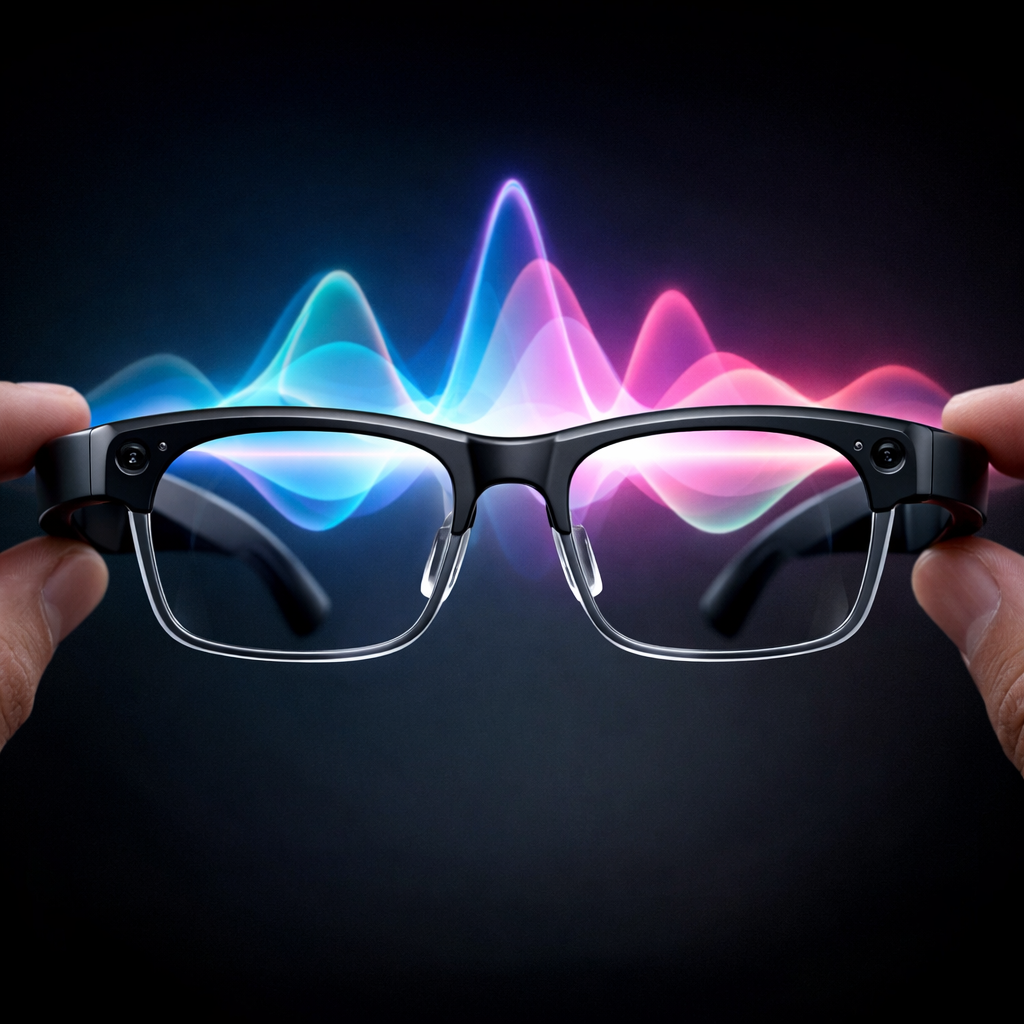
The wearable under development — often called “Apple Glass” or internally codenamed N50 — won’t include a display when it first launches. Instead, it will rely on speakers, microphones, cameras, and nearly invisible integrations with software running on the wearer’s iPhone. The device will let users call up Siri to trigger functions within third-party apps that developers have made accessible via voice commands. This approach allows use cases like asking Siri to order coffee from Starbucks or buy movie tickets without opening an app onscreen.
Apple expects to introduce this pair of glasses around its Worldwide Developers Conference in June 2027, with availability following toward the end of that year. Rather than pushing developers to build full apps for the glasses themselves, Apple is encouraging the building of Siri app extensions. Key to this vision is an overhauled version of Siri AI — Apple’s brighter, smarter assistant currently in work — which will power the hands-free experience.
Why this matters and how it stacks up
This strategy differentiates sharply from Meta’s current smart glasses, which include both cameras and displays or rely heavily on integrated apps. By contrast, Apple’s display-less approach draws inspiration from simpler smart glasses designs, but injects value via tight integration with iPhones and its app ecosystem. It lets Apple avoid many hardware constraints and costs associated with built-in displays.
One of Apple’s biggest assets here is developer leverage. Rather than convincing people to replace their phones or trust glasses as standalone platforms, Apple needs developers to adapt functionality via Siri. If executed well, Siri extensions could offer meaningful voice-driven shortcuts through existing favorite apps — audio, photo, comms — that enhance everyday use without burdening the hardware.
Apple gets a timing advantage, too. Development has reportedly run into delays, but engineers are working toward late-2027 production. Even though smart glasses without displays are becoming more common — accounting for a huge portion of shipments in recent quarters — Apple’s entrance is expected to draw major attention.
Challenges ahead
Even without a display, Apple will have to overcome major hurdles. Voice-driven interaction must be reliable and intelligent, especially in noisy, real-world environments. Ensuring Siri understands context across apps and responds smoothly to user intent will be central. Hardware design, battery life, privacy protections (especially around cameras), and user comfort will also be critical.
The peeling back of developers’ app-level control presents a further obstacle. Apple must convince partners to build integrations that may not drive direct revenue from the wearable itself. Monetization and exposure in such a voice-first paradigm may feel abstract, especially when compared against app store economics.
Another wildcard: user expectations. Many have expected Apple’s smart glasses to deliver augmented reality features or immersive displays. Launching with audio and camera only may feel underwhelming to some. But Apple appears to be banking that the majority of users will value seamless Siri-powered utility over full AR visual immersion.
Still, when it comes to dethroning Meta, Apple isn’t merely mimicking. It is betting on its core strengths — software-ecosystem dominance, battery of apps, control over privacy and seam-less device integration — to build a smart glasses experience that feels useful, safe, and polished.
What this means: The Siri-centric model represents a radical shift away from the platform-first vision of AR hardware. What to watch for: how Apple incentivizes developers, how Siri AI performs in unpredictable scenarios, and whether consumers accept glasses without a display. If the goals align, Apple could upset Meta — or at least force them to rethink what smart glasses truly need to offer.