Apple has shelved work on a novel AI-enabled wearable, tentatively known as the “AI Pin,” that was under development as a camera-equipped pendant or clip-on device, sources reveal. The unit, envisioned roughly the size of an AirTag, was designed with sensors to relay visual data to Siri for features such as identifying surroundings or aiding navigation. Development has now officially been paused.
Design, Capabilities & Prototype
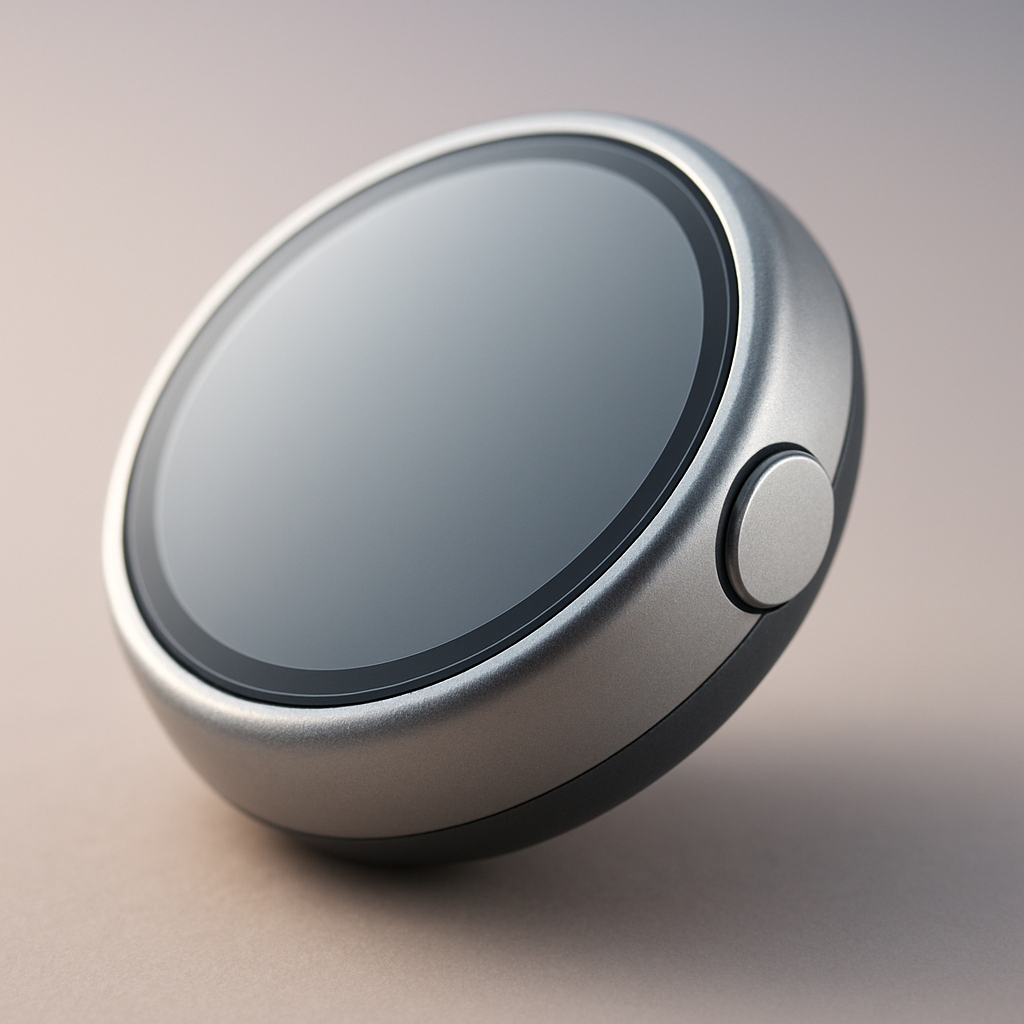
The prototype featured a compact disc-shaped body, fashioned from aluminum and glass, with a tactile side button for controls. Though no finalized product exists, intended capabilities included using Visual Intelligence powered by Siri to interpret what the wearer sees—whether objects, locations, or people—in much the same way rumored camera-equipped AirPods might in 2027. The suspension of development pushes back speculation about a 2027 launch, making that timeline increasingly unlikely.
Other Wearable Efforts Continue
Even as work stalls on this AI Pin, Apple remains actively exploring other wearable form factors. Projects underway include a screenless fitness band, smart glasses infused with artificial intelligence, and AirPods outfitted with integrated cameras—all suggesting the company is still deeply invested in expanding its AI hardware portfolio. These efforts reflect Apple’s broader ambition to make AI features pervasive beyond the iPhone.
An AI wearable mounted like a pin would represent a shift toward ambient computing—letting devices observe and interpret the world continuously. It seems that Apple hit technical, design, or privacy snags before moving beyond prototype stages. What emerges next may borrow heavily from this AI Pin’s building blocks, even if this specific design is no longer moving forward.
Pausing development can signal a reprioritization, not a cancellation. In Apple’s case, the device remains logged in its roadmap through prototypes and rumors. Whether the AI Pin resurfaces will hinge on internal reviews of hardware constraints, software readiness, and user privacy implications. Meanwhile, the company’s other projects could absorb parts of the tech Apple already built—for example in spatial vision, sensor miniaturization, and on-device AI processing.
This move matters because it underscores the tension between bold innovation and execution limits in wearable AI. Apple is chasing new territory—devices that can see, interpret, and respond—but it must also ensure designs are safe, reliable, and respects user privacy. What to watch: where the research from this paused project goes next—whether into glasses, AirPods, or entirely new form factors that can more easily balance ambition with practicality.