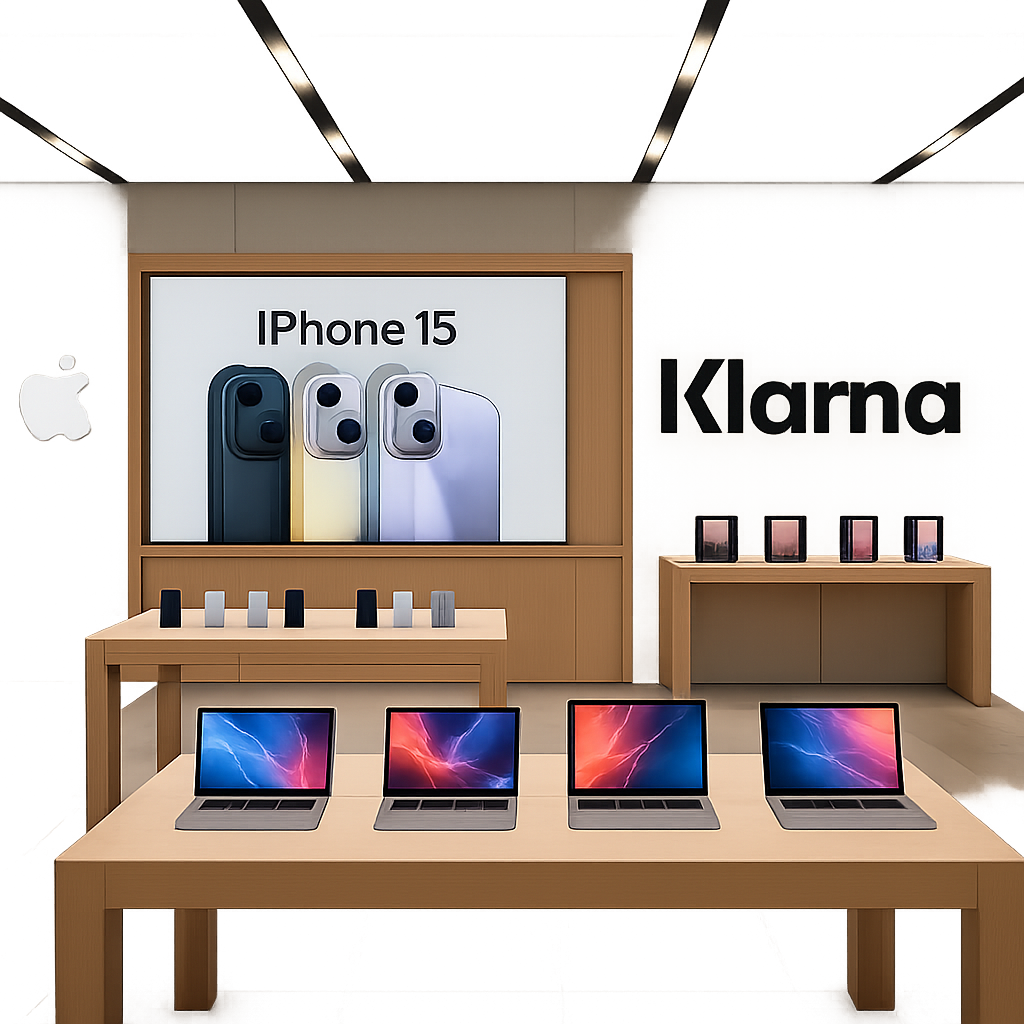
Apple is set to launch a new device leasing program in collaboration with Klarna, a prominent buy now, pay later service. This initiative, named Apple Upgrades, will allow customers to lease iPhones and Macs over a period of 24 to 36 months, with the program scheduled to commence on July 28.
Under this arrangement, users can acquire the latest Apple devices through manageable monthly payments facilitated by Klarna. This model offers an alternative to traditional purchasing methods, providing flexibility for consumers who prefer spreading the cost over time.
Apple has previously explored various financing options to make its products more accessible. In 2020, the company introduced Apple Card Monthly Installments, enabling customers to purchase devices like iPads and Macs through interest-free monthly payments. Additionally, Apple has offered trade-in programs and other financing plans to cater to diverse consumer needs.
Retailers have also ventured into similar subscription-based models. For instance, in 2022, Best Buy launched the Upgrade+ program, allowing customers to lease MacBooks over a three-year period. This program was later expanded to include other Apple products like the iMac and Mac Studio.
The introduction of Apple Upgrades signifies Apple’s ongoing commitment to providing flexible purchasing options. By partnering with Klarna, Apple aims to streamline the leasing process, making it more convenient for customers to access the latest technology without the immediate financial burden of a full purchase.
As the tech industry continues to evolve, subscription and leasing models are becoming increasingly popular. They offer consumers the opportunity to stay updated with the latest devices while managing their budgets effectively. Apple’s collaboration with Klarna reflects this trend, positioning the company to meet the growing demand for flexible financing solutions.
For consumers, this development means more choices in how they acquire and use Apple products. It also indicates a broader shift in the industry towards service-based models, where ownership is less emphasized, and access becomes the primary focus. As Apple Upgrades rolls out, it will be interesting to observe how it influences consumer behavior and the competitive landscape of device financing.