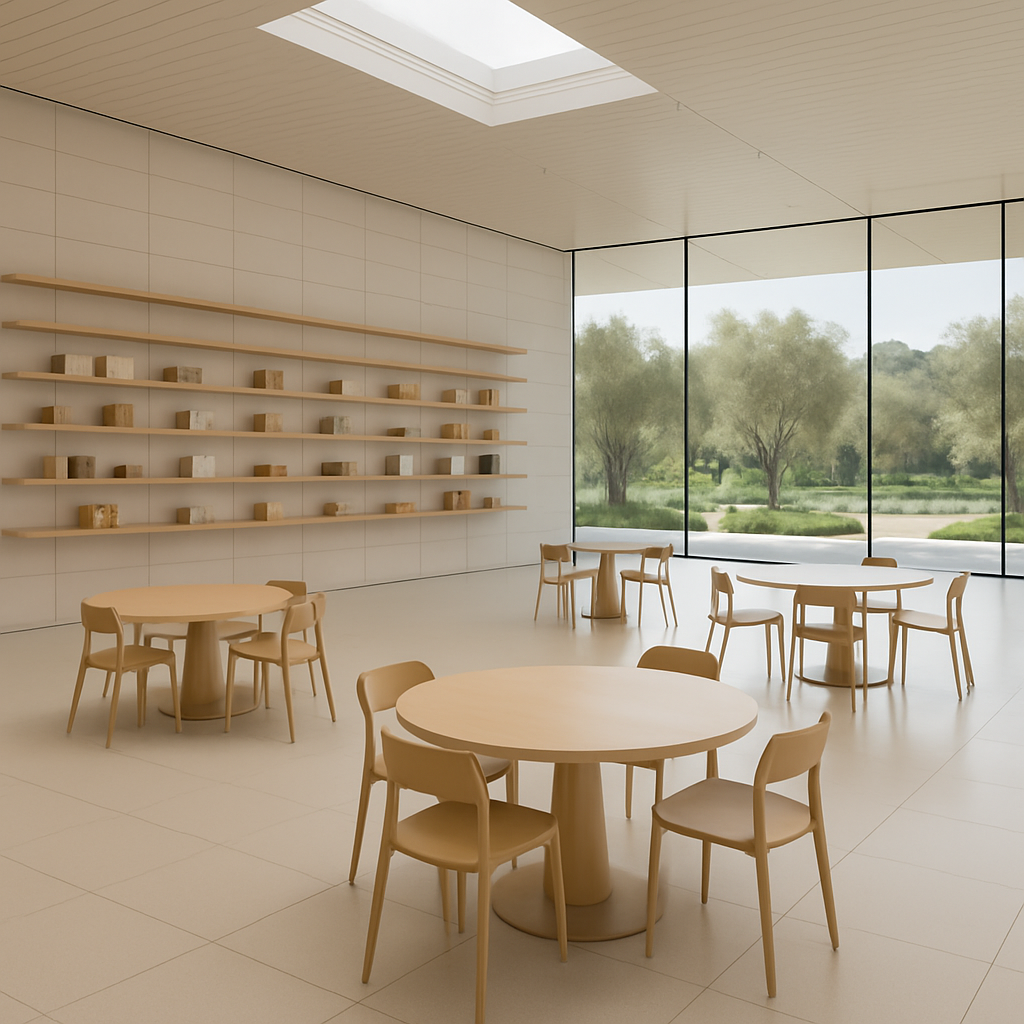
Apple has removed the large 3D augmented reality model of its Apple Park campus from the Visitor Center in Cupertino, ending a feature that’s been on display since the center’s opening in 2017. As part of a renovation finished in late summer, the space formerly known as the “Exhibition Space” has been transformed with new product display tables and wall-mounted shelving dubbed “Avenues.”
What Changed in the Remodel?
The redesign began in July and introduced rounder tables designed to showcase Apple’s hardware more prominently, similar to layout changes seen in select Apple Stores across New York City. The most noticeable change is the absence of the immersive 3D model—once a signature experience—now replaced by standard product displays. The permanent removal of the Exhibition Space marks a definitive end to one of the center’s most beloved features.
Visitor Center Still Open, But Different
Even though the AR model is gone, the Cupertino Visitor Center continues to operate. Guests can still buy Apple merchandise, enjoy a beverage at on-site Caffè Macs, take in views from the rooftop terrace, or walk through the neighboring “Mirage” art installation. The Visitor Center still fulfills its dual mission as a store and a destination for Apple fans and tourists.
The 3D model was a well-known attraction, offering guests an aerial view of the Apple Park campus in AR since 2017. It provided both a visual anchor and storytelling point about Apple’s design, architecture, and landscape. With its removal, the center pivots toward more traditional retail-focused presentation.
In the bigger picture, this change signals a subtle but clear shift in how Apple balances experiential showcases with retail environments. The AR model wasn’t just decor—it spoke to Apple’s identity, its emphasis on design storytelling, and how it blends technology with space. Replacing that with straightforward product displays suggests priority is now further leaning toward commerce. For visitors who came for the immersive elements, this shift may feel like a loss. For Apple, it’s possibly an efficiency play—spaces better aligned with sales and uniformity across its locations.
What to watch for: whether this change stays permanent across Apple’s Visitor Centers globally, or if it inspires alternate installations that bring back experiential moments in new, scalable ways. How Apple adapts public-facing spots like these will be a quiet indicator of its broader retail and branding strategy.