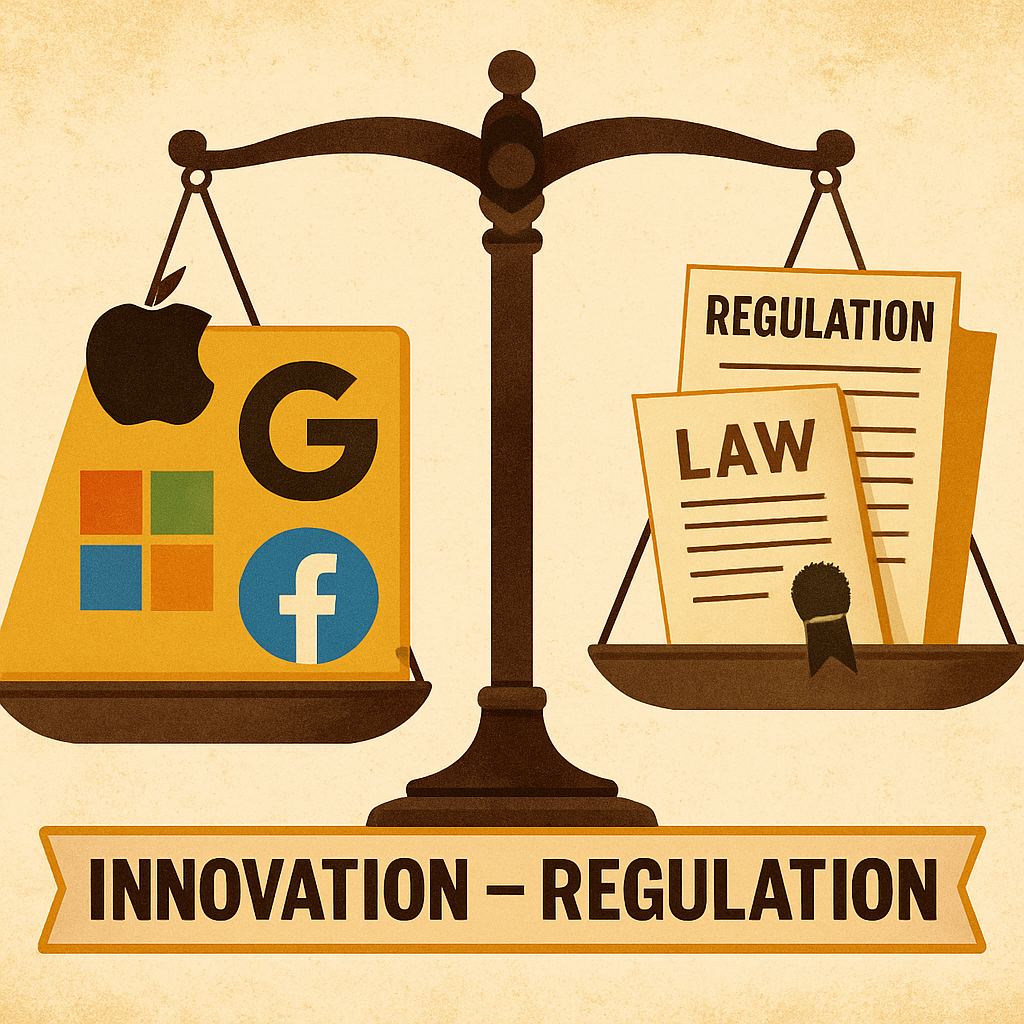
United States Senators Chuck Grassley and Amy Klobuchar have reintroduced the American Innovation and Choice Online Act (AICOA), a bipartisan bill aimed at curbing the market dominance of major tech companies, including Apple. This legislation seeks to prevent large platforms from engaging in practices such as favoring their own products or services, restricting competitors’ access to essential platform features, and locking users into default settings.
The AICOA is designed to “restore online competition and affordability” by prohibiting digital platforms from “abusing their market power to stifle competition, undercut online businesses, and raise prices for American consumers.” It would empower the Department of Justice, Federal Trade Commission, and state attorneys general to challenge online platforms for exclusionary conduct that harms competition.
Apple has expressed strong opposition to the bill, arguing that it would undermine privacy, security, and child safety protections, while also making it more challenging to conduct business in the United States. The company contends that adopting regulations similar to those in Europe would hinder innovation and impose changes that consumers have not requested.
The AICOA would apply to platforms with at least $175 billion in average annual gross revenue and that reach 34 percent of U.S. subscriber households or 34 percent of U.S. monthly active users over the age of 12. Under the current wording, companies would be prohibited from:
- Unfairly favoring their own products or services.
- Misusing nonpublic business-user data to copy and compete against small businesses.
- Unfairly limiting competitors’ access to key platform features.
- Blocking business users from accessing or moving their own data from one digital platform to another.
- Retaliating against users or business users who raise legal concerns.
- Unfairly enforcing terms of service in ways that harm competition.
- Conditioning companies’ access to the platform, or product placement on the platform, on purchase or use of unrelated services.
- Locking users into default settings.
- Skewing ranking or presentation against similarly situated business users.
Apple argues that the AICOA would have effects similar to the European Union’s Digital Markets Act (DMA), potentially harming innovation, weakening privacy protections, and delaying new product features. The company has previously stated that it would not be able to bring certain AI features to the European Union due to challenges in complying with the DMA’s interoperability rules.
Like the DMA, the AICOA would allow for third-party app marketplaces and alternative payment methods, which Apple maintains would undermine the user protections of the App Store. The company also contends that the bill’s requirements for open platform access could expose sensitive user data to any company that seeks it.
Supporters of the AICOA, including Mozilla, Proton, DuckDuckGo, Yelp, and Y Combinator, argue that the bill is necessary to promote competition and prevent large tech companies from engaging in anti-competitive practices. The bill is co-sponsored by Senators Josh Hawley, Dick Durbin, Sheldon Whitehouse, and Cory Booker.
As the debate over the AICOA continues, it highlights the ongoing tension between fostering innovation and ensuring fair competition in the tech industry. The outcome of this legislative effort could have significant implications for how major tech companies operate and how consumers interact with digital platforms.