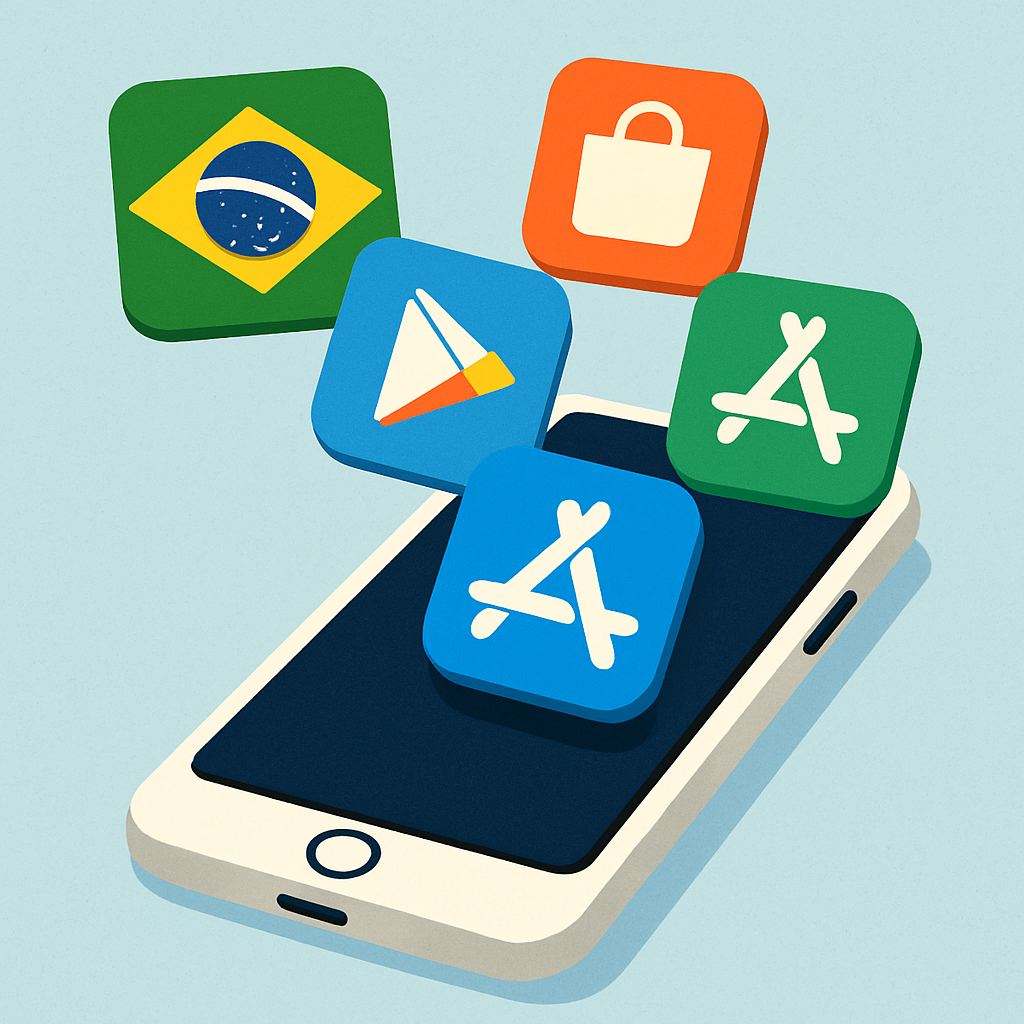
Apple has announced significant changes to its App Store policies in Brazil, allowing developers to distribute their apps through alternative app marketplaces. This development follows a settlement with Brazil’s competition authority, CADE, resolving a dispute initiated in 2022 by MercadoLibre over Apple’s App Store practices.
Effective immediately for users on iOS 26.5 and later, developers can create and distribute alternative app marketplaces using Apple’s MarketplaceKit framework. While direct sideloading from the web remains restricted, these alternative marketplaces provide new avenues for app distribution beyond the traditional App Store.
Apps offered through these alternative marketplaces must undergo Apple’s Notarization process, which includes automated checks and human review to detect malware and ensure functionality. This process differs from the standard App Store review, as each alternative marketplace will have discretion over its own app approval policies.
Additionally, all apps, regardless of their distribution channel, are required to carry age ratings. This ensures that parental controls, such as Screen Time and content restrictions, remain effective based on the app’s age rating, even when apps are downloaded from alternative marketplaces.
Apple has also introduced new payment options for developers. They can now choose to:
- Continue using Apple’s in-app purchase system.
- Integrate a third-party payment provider directly into their app.
- Direct users to an external payment provider on the web.
Developers opting to integrate a third-party payment provider within their app must also offer Apple’s in-app purchase system. Notably, apps in the Kids category are prohibited from including external purchase links, maintaining a focus on child safety.
These changes in Brazil mirror similar adjustments Apple made in Japan in December 2025, which also emphasized enhanced privacy and security protections, particularly for children. The implementation of these policies in Brazil reflects a growing trend of regulatory bodies influencing major tech companies to adopt more flexible and competitive practices.
By opening iOS to alternative app marketplaces and payment systems, Apple is adapting to regulatory pressures and evolving market demands. This shift could lead to increased competition and innovation within the app ecosystem, offering consumers more choices and potentially better pricing. However, it also raises questions about how Apple will balance its commitment to user privacy and security with the more open app distribution model. Observers will be keenly watching how these changes impact the broader app market and whether similar policies will be adopted in other regions.