In the rapidly evolving landscape of artificial intelligence, ensuring transparency in AI-generated content has become a pressing concern. The European Union’s Artificial Intelligence Act mandates that AI-generated text and images be clearly identifiable, prompting companies to implement watermarking techniques. Anthropic, the developer behind the AI model Claude, has recently introduced such measures, embedding subtle patterns within AI-generated text to signal its origin. While this initiative aims to enhance transparency, it raises significant concerns, especially when applied to human-authored content that undergoes AI-assisted proofreading.
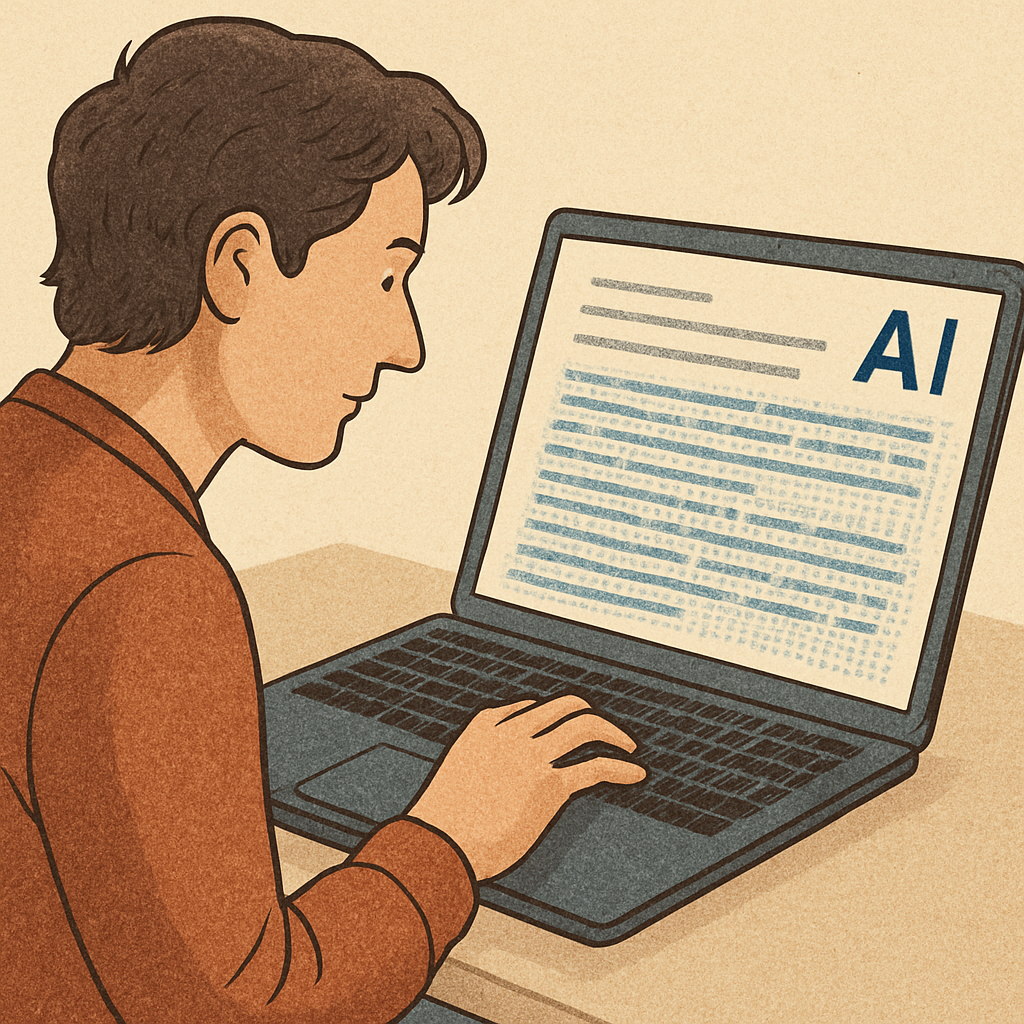
Anthropic’s approach involves embedding statistical patterns into text, creating a detectable ‘fingerprint’ that persists even through minor edits or copy-pasting. This method is designed to comply with the EU’s regulations, ensuring that AI-generated content is distinguishable from human-authored material. However, the application of these watermarks extends beyond fully AI-generated text. When users employ Claude for proofreading or minor edits, the AI introduces these patterns into the human-written content, potentially mislabeling it as AI-generated. This practice could lead to unintended consequences, such as undermining the credibility of genuine human authors and complicating the task of distinguishing between human and AI contributions.
Apple, with its suite of AI tools integrated into products like Siri, faces a similar challenge. Features that assist users in proofreading or refining their writing must tread carefully to avoid embedding markers that could misrepresent the nature of the content. For instance, if Siri’s AI tools were to insert detectable patterns into text during the proofreading process, it could inadvertently signal that the content is AI-generated, even when the original work is human-authored. This misrepresentation could have far-reaching implications, particularly in professional and academic settings where the authenticity of authorship is paramount.
To navigate this complex issue, Apple should consider implementing watermarking techniques exclusively in scenarios where the AI generates content autonomously. In cases where AI tools are used to assist with minor edits or proofreading, the introduction of such markers should be avoided to preserve the integrity of human authorship. This approach would align with the EU’s transparency requirements while respecting the contributions of human writers.
Furthermore, Apple could explore alternative methods to indicate AI involvement without compromising the authenticity of human-authored content. For example, providing users with the option to include a disclaimer when AI tools are used for assistance, without embedding detectable patterns, could offer a balanced solution. This strategy would maintain transparency without the risk of mislabeling content.
As AI continues to permeate various aspects of content creation, the distinction between human and machine-generated material becomes increasingly blurred. Companies like Apple must carefully design their AI tools to support users without inadvertently undermining the credibility of human authors. By learning from Anthropic’s experience and adopting a nuanced approach to AI-assisted content, Apple can uphold transparency standards while preserving the authenticity of human expression.
In conclusion, while the goal of making AI-generated content detectable is commendable, the methods employed must be thoughtfully considered. Apple has the opportunity to set a precedent by implementing watermarking practices that respect both regulatory requirements and the integrity of human authorship. This balanced approach will be crucial in fostering trust and clarity in the evolving digital landscape.