Apple’s iPhone Dominates Q1 2026 Smartphone Market Amid Industry Decline
In the first quarter of 2026, Apple achieved a significant milestone by leading the global smartphone market, capturing a 21% market share. This marks the first time Apple has secured the top position in a post-holiday quarter, a period traditionally dominated by other manufacturers. This achievement is particularly noteworthy given the overall 6% year-over-year decline in global smartphone shipments during the same period.
Apple’s Market Performance
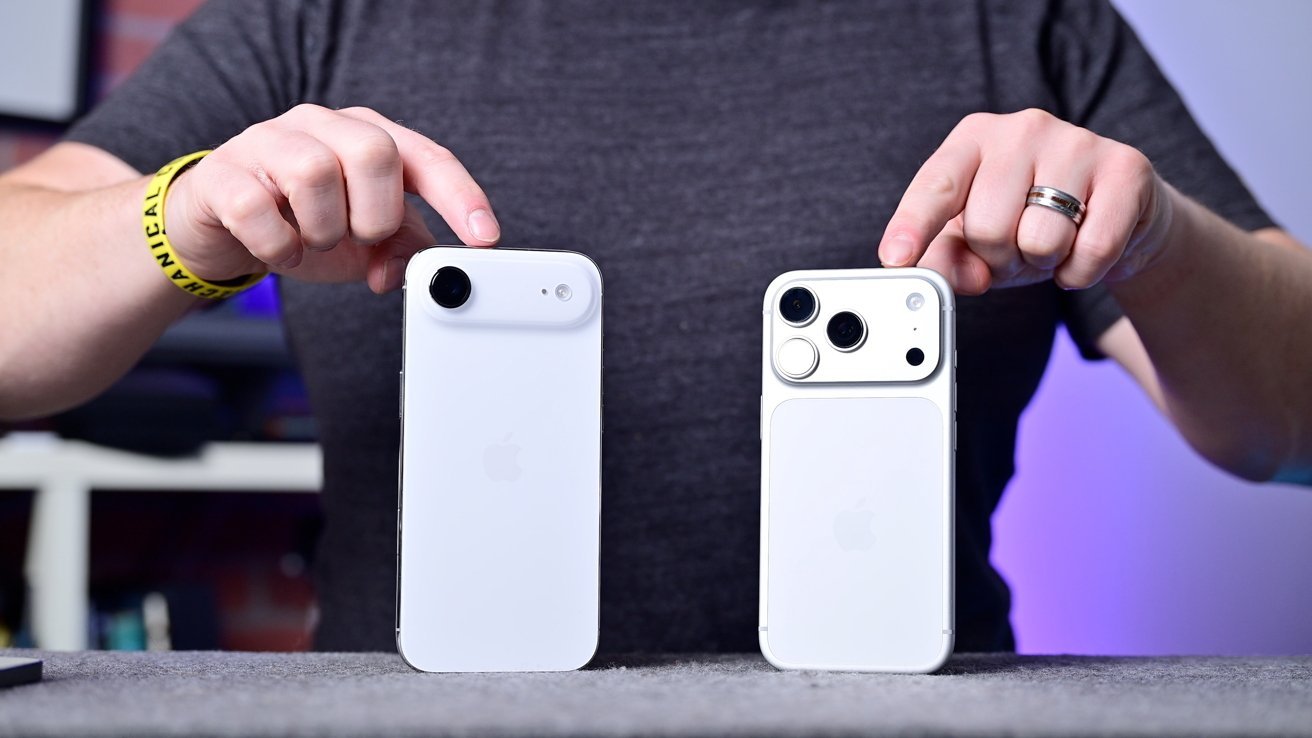
Apple’s ascent to the top spot is largely attributed to the robust sales of the iPhone 17 series. The company’s integrated supply chain and premium product positioning have played pivotal roles in this success. Notably, Apple experienced a 5% growth in shipments compared to the same quarter in the previous year, a remarkable feat amidst a contracting market.
Global Smartphone Market Overview
The global smartphone market faced a downturn in Q1 2026, with shipments declining by 6% year-over-year. This decline is primarily due to a shortage of DRAM and NAND memory components, coupled with weaker consumer demand. Despite these challenges, Apple emerged as the leader, while other major manufacturers experienced varying degrees of impact.
Samsung’s Position
Samsung, traditionally a strong competitor in the smartphone arena, secured the second position with a 20% market share. The company reported consolidated revenue of 133.9 trillion KRW (approximately $90 billion) for the first quarter, marking a 43% increase from the previous quarter. However, the Mobile eXperience (MX) division, encompassing Galaxy phones, reported only 38.1 trillion KRW in revenue—a 30% quarterly rise—but operating profits dropped about 35% from the previous year. While premium products and cost-cutting provided some gains, the mobile segment is struggling due to a slowing global smartphone market.
Regional Insights
In China, the world’s largest smartphone market, Apple came close to overtaking Huawei, which retained the top position. The iPhone 17 series has been particularly well-received in the region, contributing significantly to Apple’s global performance. This indicates a growing preference for Apple’s offerings among Chinese consumers.
Impact of Component Shortages
The ongoing shortage of memory components has had a profound impact on the smartphone industry. Memory suppliers have been prioritizing AI data centers over consumer electronics, leading to increased costs and supply constraints. This has affected various manufacturers differently, with some struggling to meet demand and others adjusting their strategies to cope with the shortages.
Emerging Players
Amidst the overall market decline, certain brands have demonstrated resilience and growth. Google’s Pixel devices, for instance, have defied the market slowdown with strong Q1 sales. The Pixel’s growth is driven by AI capabilities, computational photography, and clean software. Similarly, Fairphone has achieved remarkable success, recording a 116% increase in shipments compared to Q1 2025. The company’s focus on modular and repairable designs that prioritize sustainability has resonated with consumers, particularly in Europe.
Conclusion
Apple’s leadership in the Q1 2026 smartphone market underscores the company’s ability to navigate industry challenges and capitalize on consumer demand for premium products. While the overall market faces headwinds due to component shortages and shifting consumer preferences, Apple’s performance highlights the importance of strategic positioning and supply chain management. As the industry continues to evolve, manufacturers will need to adapt to these challenges to maintain and grow their market presence.