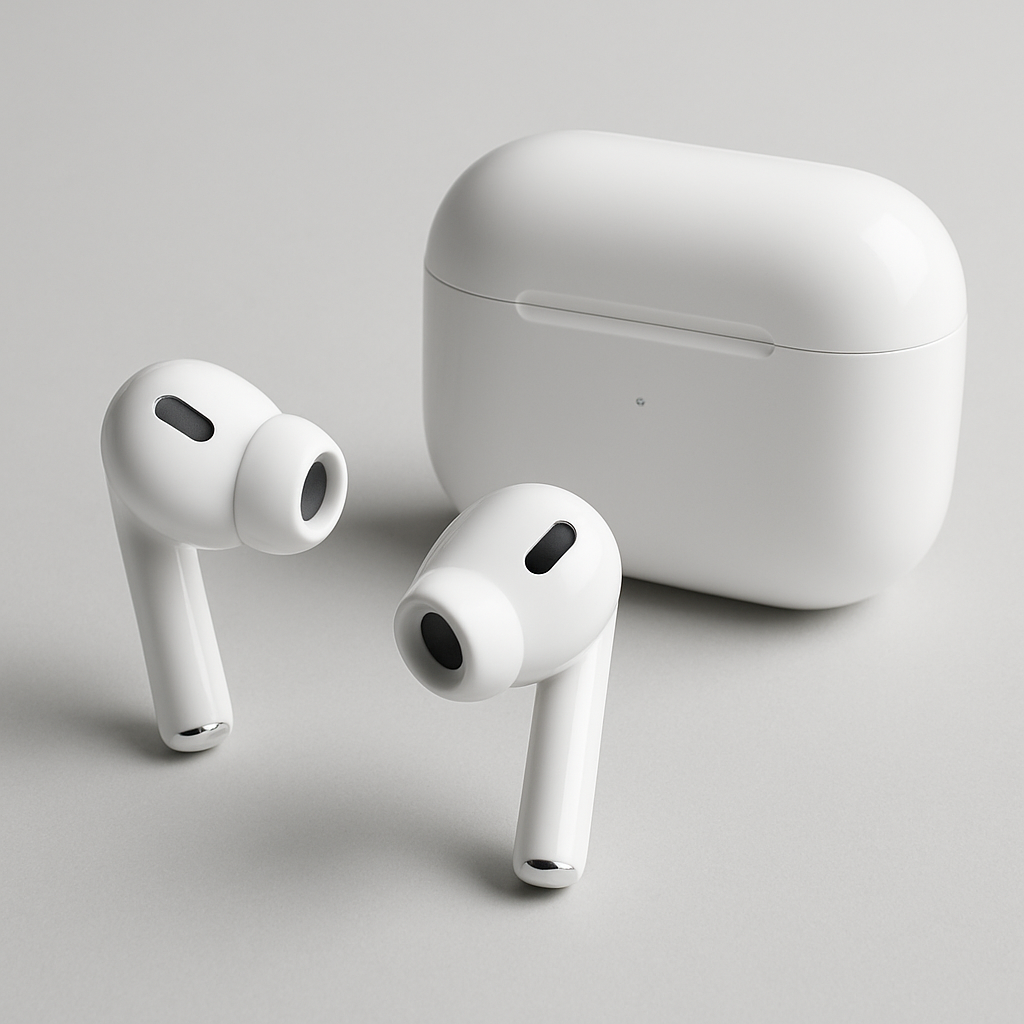
At today’s iPhone 18 Pro event, Apple pulled back the curtain on its latest wireless earbuds: the AirPods 5. Positioned as the successor to the entry-level AirPods line, this release brings active noise cancellation (ANC) to all models, improved audio features, and boosted battery life while keeping the base price competitive. They’re available for pre-order now and begin shipping September 18, 2026.
What’s New with AirPods 5
Central to the new lineup is upgraded ANC, delivering up to 50% better noise reduction compared to the previous AirPods 4. All versions now include redesigned internal hardware, an enhanced Adaptive EQ, and an improved Personalized Spatial Audio experience. With the charging case, users can expect up to 20 hours of listening time under normal conditions.
Two Versions, Key Differences
Apple is releasing two variants of the AirPods 5. The “base” pair includes all core features—noise cancellation, Adaptive EQ, Spatial Audio—and starts at $129. The higher-end version adds on-stem physical volume controls (similar to those on AirPods Pro), a wireless charging case, and extended battery life. This premium version is priced at $149.
Price, Availability, & Why It Matters
Despite bringing ANC to the standard model, Apple is maintaining the same starting price as with the AirPods 4—$129. That’s notable because, in the previous generation, only the higher-end models included active noise cancellation. The higher-tier AirPods 5 with wireless charging are $149. Orders open today, with shipping set for Friday, September 18.
This release marks a shift in Apple’s strategy for its entry-level earbuds. By making noise cancellation standard and refining the audio experience with better internal parts and Spatial Audio, Apple is blurring the lines between its budget and mid-tier selections. Users who skipped past the AirPods 4 because of missing features may now see the AirPods 5 as a compelling base option.
Analysis: Apple’s move to include ANC in all variants of AirPods 5 signals a response to consumer expectations and rising competition in the true wireless earbuds space. Feature parity in noise cancellation suggests Apple is no longer relying on tiered capabilities to differentiate entry vs. premium models. As other brands push hard on ANC, spatial audio, and battery life, Apple’s upgrades show it’s eager to stay ahead. What to watch: the real-world performance of the upgraded ANC and how well the battery life holds up under heavy use. If the AirPods 5 deliver as promised, they could reset expectations for what “standard” wireless earbuds should offer.