Apple has reportedly ceased development of a more affordable and lighter version of its Vision Pro headset, according to industry sources. The project, known internally as “G-VR,” aimed to utilize glass-substrate micro-OLED technology to reduce costs and weight compared to the current silicon-based OLEDoS displays used in the Vision Pro.
Samsung Display, a key supplier for Apple, is expected to wind down the G-VR panel project by September. The glass-substrate micro-OLED displays under development had a pixel density of approximately 1,600 to 1,700 pixels per inch, about half that of the existing Vision Pro’s 3,386 PPI. Mass production for these panels was initially slated for post-2028.
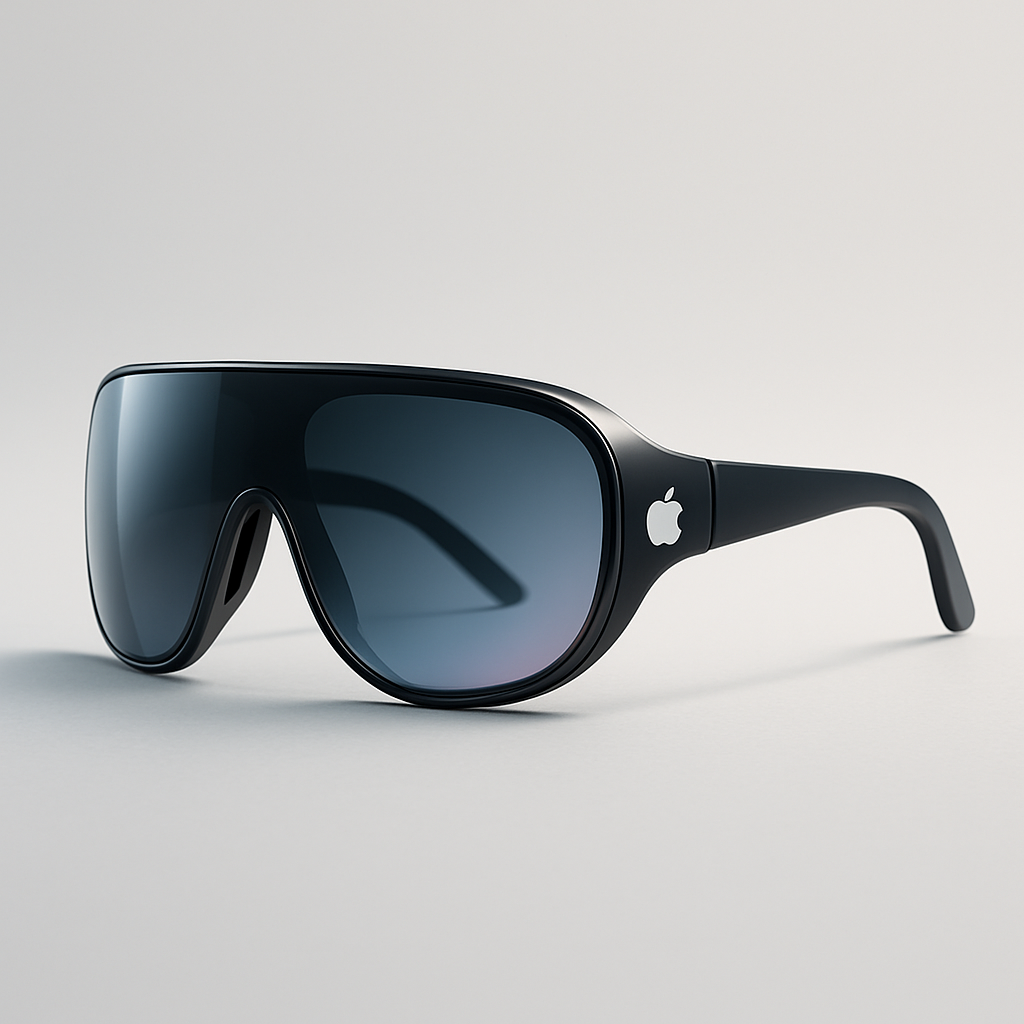
This strategic shift aligns with Apple’s broader focus on developing smart glasses, a move that has reportedly diverted resources from the G-VR project. Despite this, Samsung continues to advance its own OLEDoS panels for mixed-reality devices.
In October 2025, reports indicated that Apple had paused work on a lighter, more affordable “Vision Air” to expedite the development of smart glasses intended to compete with Meta’s Ray-Ban offerings. By May 2026, further reports suggested that the “Vision Air” project had been canceled outright.
While Apple has not entirely abandoned the headset market, any new Vision Pro-style device is not expected to materialize for at least two more years. The company’s mixed-reality hardware talent has been largely redirected toward smart glasses projects, with a potential launch anticipated in 2027.
Apple’s decision to halt the development of a more affordable Vision Pro display underscores the company’s strategic pivot toward smart glasses. This move reflects a broader industry trend focusing on lightweight, AI-integrated wearable technology. As Apple reallocates resources, the timeline for future mixed-reality headsets remains uncertain, leaving consumers and industry observers to watch closely for the company’s next steps in this evolving market.