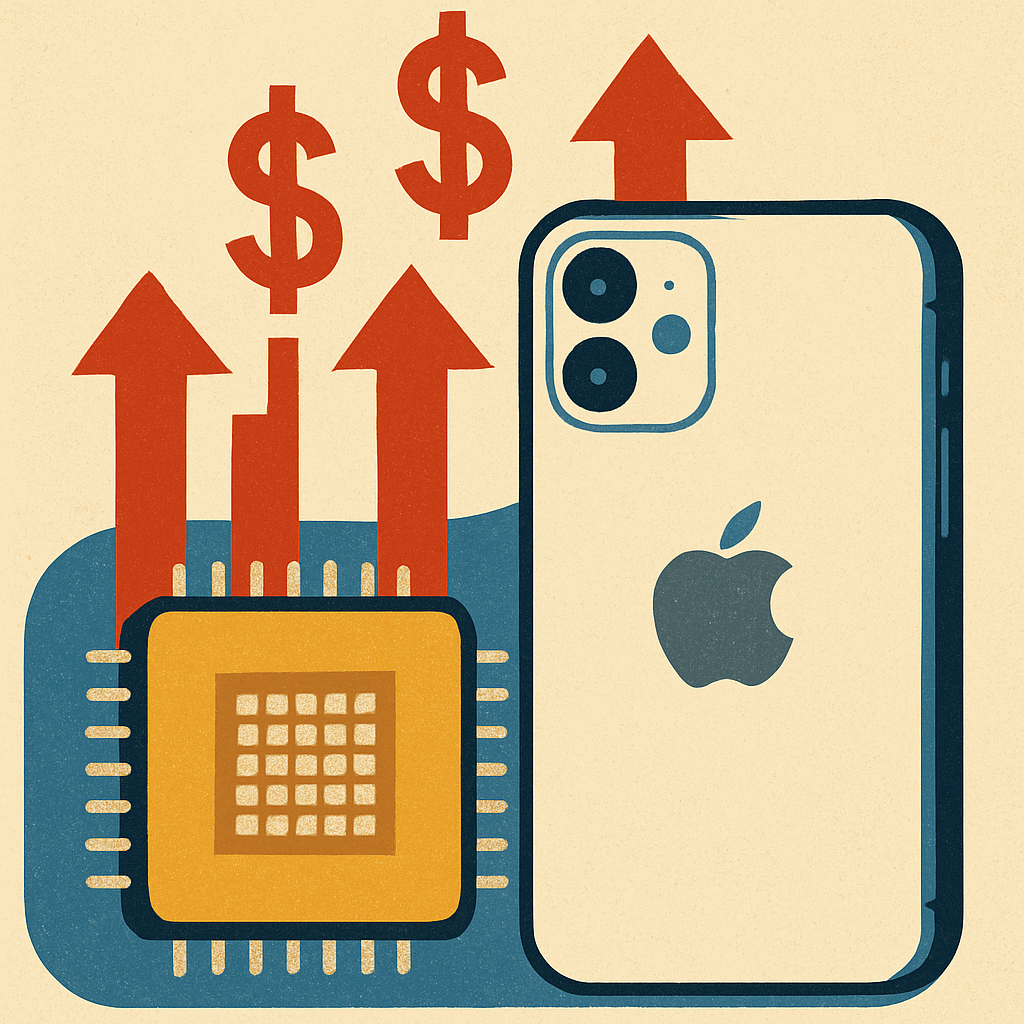
Apple has recently implemented significant price increases across its product lineup, citing escalating memory costs as a primary factor. These adjustments have seen some upgrades, particularly in memory and storage, more than double in price. Despite the company’s assurances that efforts are underway to mitigate these costs, consumer sentiment suggests skepticism, with many anticipating that these higher prices will become the new standard.
Adding to these challenges, Taiwan Semiconductor Manufacturing Company (TSMC), Apple’s primary chip supplier, has announced plans to raise its chip fabrication prices starting next year. Reports indicate that TSMC intends to increase prices for both advanced and mature chip production services by up to 10% in 2027. This decision is attributed to rising costs associated with materials, manufacturing equipment, and the construction of new overseas facilities. Negotiations with clients have reportedly concluded, with agreed-upon increases ranging from 5% to 10%. Additionally, TSMC may impose a premium of up to 15% for customers who exceed their initial order forecasts, potentially impacting companies like Apple if product demand surpasses expectations.
TSMC’s strategic expansion includes plans to build multiple chip plants in Arizona, aiming to bolster its production capabilities and meet growing demand. However, the financial burden of these developments, coupled with increased operational costs, has necessitated the forthcoming price adjustments.
For Apple, these developments present a complex scenario. The company must navigate the delicate balance between absorbing higher component costs and maintaining competitive pricing for its products. Historically, Apple has managed to offset increased production expenses through its substantial profit margins and operational efficiencies. However, the cumulative effect of rising costs from suppliers like TSMC may compel Apple to reconsider its pricing strategies, potentially leading to further price hikes for consumers.
In the broader context, this situation underscores the intricate dynamics of the global semiconductor supply chain. As leading manufacturers like TSMC invest heavily in advanced technologies and infrastructure, the associated costs inevitably ripple through to end-product pricing. Consumers may need to brace for a period of elevated prices in the tech market, as companies adjust to these new economic realities.
Looking ahead, it will be crucial to monitor how Apple and other tech giants respond to these cost pressures. Will they choose to absorb the increased expenses to maintain market share, or will they pass them on to consumers? Additionally, the potential for innovation in cost-saving technologies or shifts in supplier relationships could influence future pricing trends. As the industry continues to evolve, staying informed about these developments will be essential for both consumers and stakeholders.