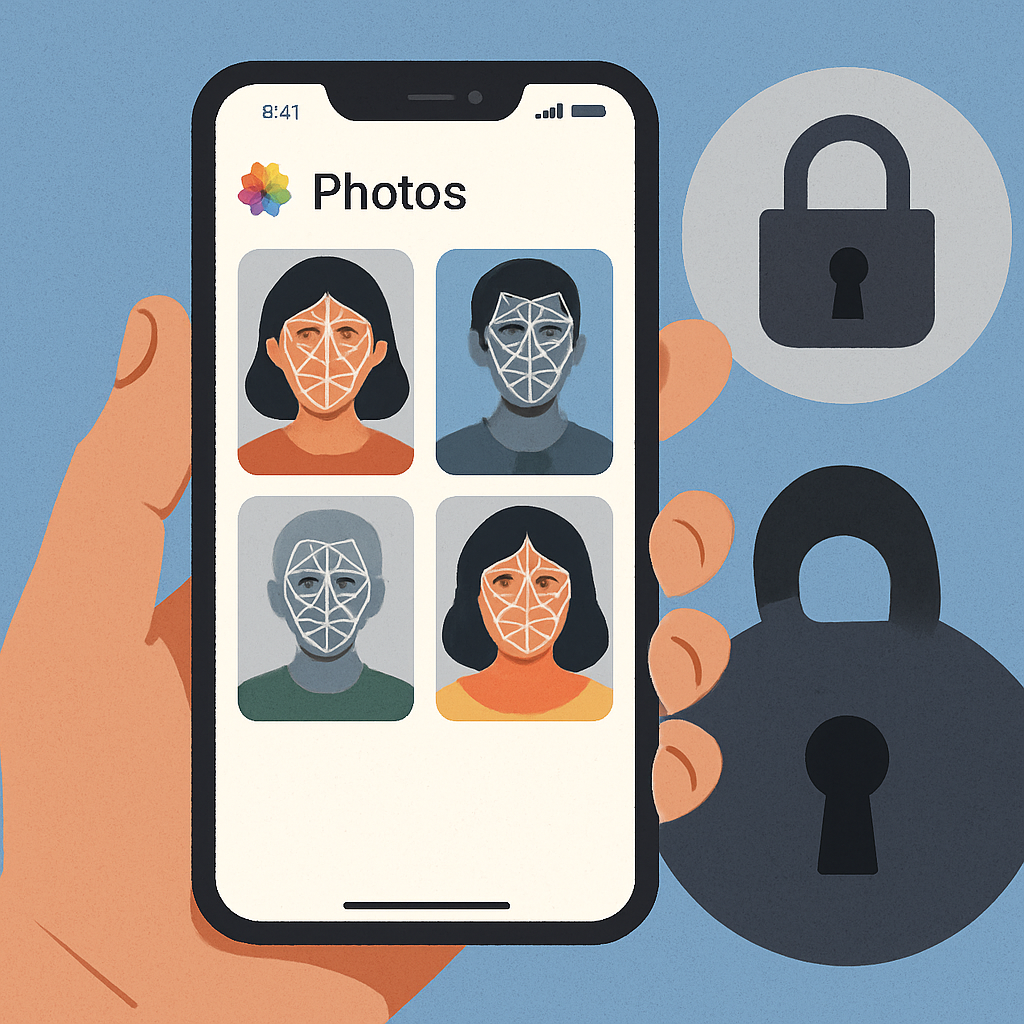
Apple is confronting a substantial class-action lawsuit in Illinois, with plaintiffs seeking $32.5 billion in damages. The suit alleges that the Photos app on iPhones collects and stores users’ biometric data without obtaining proper consent, potentially violating privacy laws.
The core of the complaint centers on the Photos app’s facial recognition capabilities. This feature automatically scans images to identify and group individuals, creating unique “faceprints” for each person detected. While this functionality aims to enhance user experience by organizing photos, the lawsuit contends that Apple has not adequately informed users about the collection and storage of their biometric information, nor has it secured explicit consent for such practices.
Biometric data, including facial features, is considered highly sensitive due to its immutable nature. Unauthorized collection and storage of such data raise significant privacy concerns, as misuse or breaches could lead to identity theft or other forms of exploitation. The plaintiffs argue that Apple’s handling of this data lacks transparency and fails to comply with legal standards designed to protect consumer privacy.
This legal action is part of a broader trend of increased scrutiny over tech companies’ use of biometric data. For instance, in July 2026, a class-action lawsuit was filed against Apple, alleging the unlawful collection and storage of Illinois users’ iris and retinal scans via Face ID without written consent. The case emphasized the critical need to protect biometric identifiers, given their unique and immutable characteristics.
Similarly, other companies have faced legal challenges regarding biometric data. In April 2026, the Federal Trade Commission reported that dating app OkCupid shared nearly three million user photos with a facial recognition firm without informing users, leading to a settlement that prohibited such practices in the future.
These cases underscore the growing demand for stringent regulations and transparent practices concerning the collection and use of biometric data. Consumers are increasingly aware of their privacy rights and are holding companies accountable for any perceived violations.
As the lawsuit against Apple progresses, it will be crucial to monitor how the company responds to these allegations and whether it will implement changes to its data collection practices. This case could set a significant precedent for how tech companies handle biometric data, potentially leading to more robust privacy protections and clearer consent protocols for users.