Apple is reportedly exploring a partnership with PrismML, a startup specializing in compressing large AI models to operate directly on devices like the iPhone, eliminating the need for server-based processing. This development could significantly enhance on-device AI capabilities, aligning with Apple’s commitment to privacy and performance.
PrismML has successfully reduced the size of Qwen 3.6, an open-source large language model developed by Alibaba, enabling it to run on an iPhone 17 Pro. This model boasts 27 billion parameters, a substantial increase compared to the few billion parameters typically active in models running on mobile devices. Such advancements suggest potential applications in complex tasks like software development directly on smartphones.
Apple’s interest in PrismML’s technology underscores its ongoing efforts to bolster on-device AI functionalities. The company has previously introduced Apple Intelligence, a suite of AI features designed to operate both on-device and via cloud services. By integrating more powerful AI models directly into devices, Apple aims to enhance user experiences while maintaining stringent privacy standards.
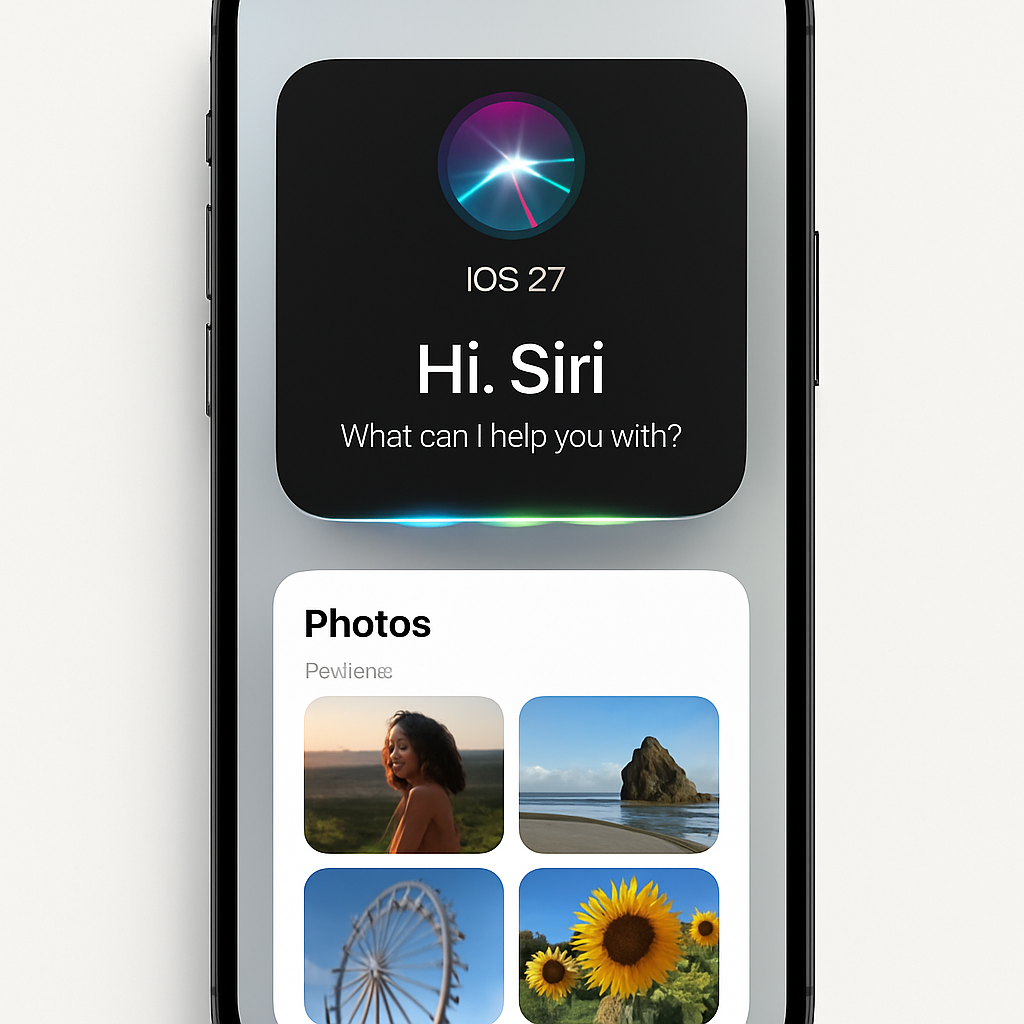
In recent years, Apple has made significant strides in AI, including the acquisition of Q.ai, a startup reportedly valued at $2 billion. Additionally, Apple has collaborated with Google to develop the modern version of Siri, set to debut with iOS 27. These initiatives reflect Apple’s strategic focus on advancing AI capabilities across its product lineup.
PrismML plans to release its open-source model on July 14, showcasing its potential to perform tasks such as software development on mobile devices. This move could pave the way for more sophisticated AI applications running natively on iPhones, reducing reliance on cloud-based processing and enhancing performance and privacy.
Apple’s potential collaboration with PrismML highlights the company’s dedication to pushing the boundaries of on-device AI. By enabling larger and more complex models to run directly on devices, Apple could offer users more powerful and responsive AI features without compromising privacy. This approach aligns with the broader industry trend of decentralizing AI processing, reducing latency, and enhancing data security.