Apple’s Bold Leap into Six New Product Categories
Apple is poised to revolutionize its hardware lineup by venturing into six innovative product categories, signaling a significant shift towards artificial intelligence (AI) integration and smart home automation. This strategic expansion aims to diversify Apple’s offerings and solidify its position in emerging tech markets.
1. Smart Home Devices: Centralizing Household Management
Apple is developing a smart display designed to serve as a central hub for managing household functions. This device is expected to integrate seamlessly with HomeKit, allowing users to control lighting, climate, security systems, and more from a single interface. Reports suggest that this smart display could debut as early as this fall in the USA, marking Apple’s direct competition with existing products like Amazon’s Echo Show and Google’s Nest Hub.
In addition to the smart display, Apple is in the early stages of developing an automated tabletop robot. While details are scarce, this robot is anticipated to offer interactive assistance, potentially featuring capabilities such as voice recognition, mobility, and integration with other Apple devices. Given its nascent development stage, the tabletop robot might take several years before it becomes commercially available.
2. Internet-Connected Security Camera: Enhancing Home Surveillance
Apple plans to introduce an internet-connected security camera, aiming to bolster its smart home ecosystem. Evidence of this device has surfaced in recent software code, indicating features like high-definition video recording, night vision, and real-time alerts. This security camera is expected to integrate with the Home app, providing users with a comprehensive view of their home’s security status and allowing for remote monitoring via iOS devices.
3. Wearable AI Pendant: Redefining Personal Assistants
In a move towards wearable AI technology, Apple is developing a pendant that offers a screen-free way to interact with digital voice assistants throughout the day. This device is envisioned to provide users with hands-free access to information, notifications, and control over other smart devices. Leveraging Apple’s proprietary AI platform, the pendant could revolutionize how users engage with technology, emphasizing convenience and accessibility.
4. Intelligent Glasses: Merging Digital and Physical Realities
Apple is engineering smart glasses designed to integrate digital information with the physical world. These glasses aim to serve as a lighter, daily alternative to heavier spatial computing headsets, offering augmented reality (AR) experiences on the go. Potential features include real-time navigation overlays, notifications, and interactive applications, all displayed within the user’s field of vision. While rumors about this eyewear have circulated for years, the product is now reportedly progressing towards a tangible release.
5. Advanced Audio Gear: AI-Enhanced Wireless Earbuds
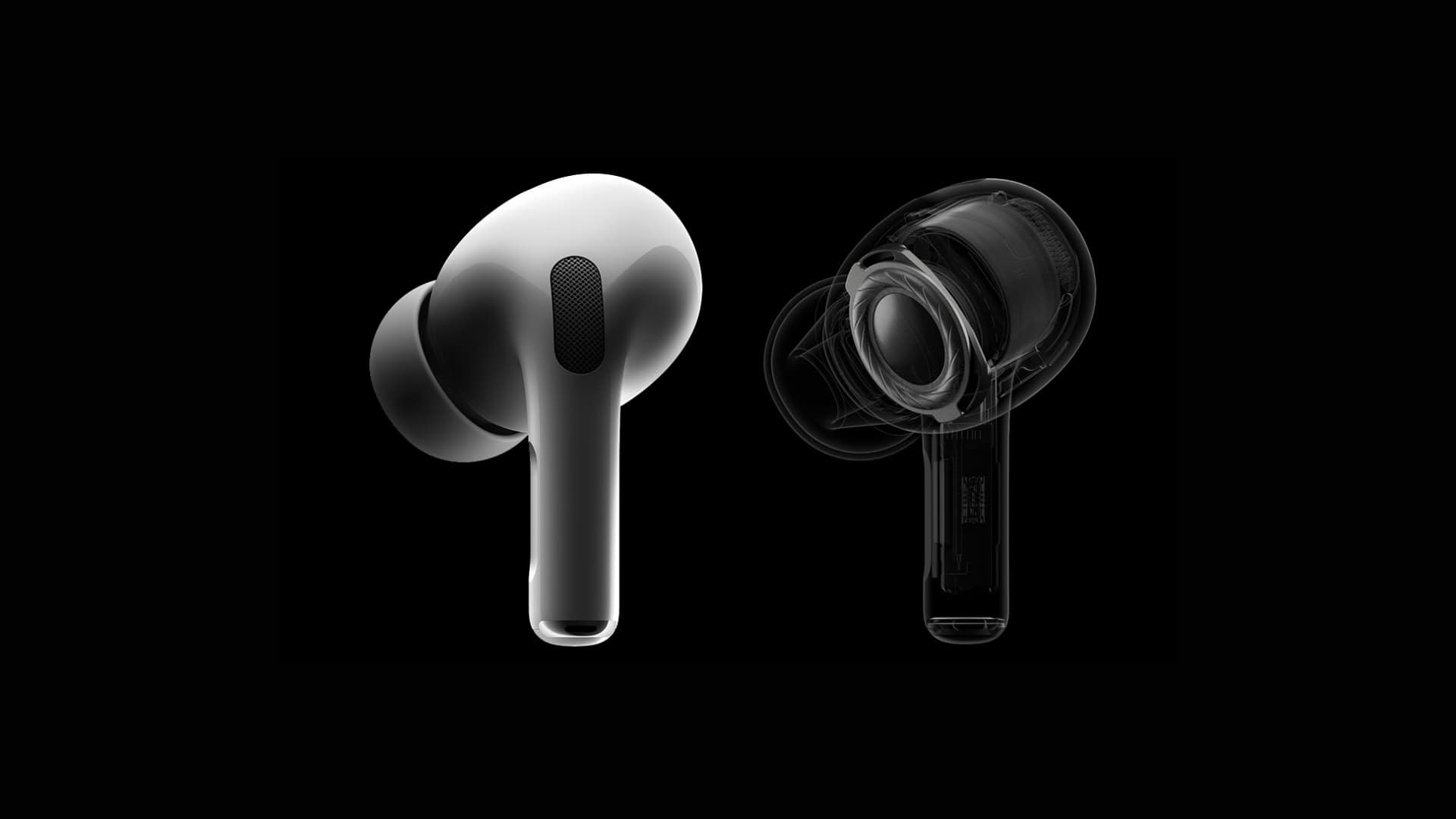
Apple is bringing advanced AI capabilities directly to its popular wireless earbuds. Future versions of these audio devices are expected to process complex requests locally or route them through connected smartphones, transforming standard listening gear into powerful interactive tools. This enhancement could include features like real-time language translation, adaptive noise cancellation based on environmental context, and personalized audio experiences tailored to user preferences.
6. AI Integration Across Devices: A Unified Ecosystem
Beyond individual products, Apple’s overarching strategy involves integrating AI across its device ecosystem. This approach aims to create a seamless user experience where devices anticipate needs, automate routine tasks, and provide intelligent assistance. By embedding AI into hardware and software, Apple seeks to offer a more intuitive and responsive interaction model, setting a new standard for consumer technology.
Strategic Implications and Market Positioning
Apple’s foray into these six product categories reflects a strategic pivot towards ambient computing and automated domestic hardware. By expanding its portfolio to include smart home devices, wearable AI technology, and intelligent audio gear, Apple is positioning itself at the forefront of the next technological frontier. This diversification not only opens new revenue streams but also reinforces Apple’s commitment to innovation and user-centric design.
As these products progress from development to market, they are expected to integrate seamlessly with Apple’s existing ecosystem, offering users a cohesive and interconnected experience. While official launch dates remain unconfirmed, the anticipation surrounding these developments underscores Apple’s influence in shaping the future of consumer technology.