Apple’s Strategic Shift: Downgrading iPhone 18 to Maintain Affordability
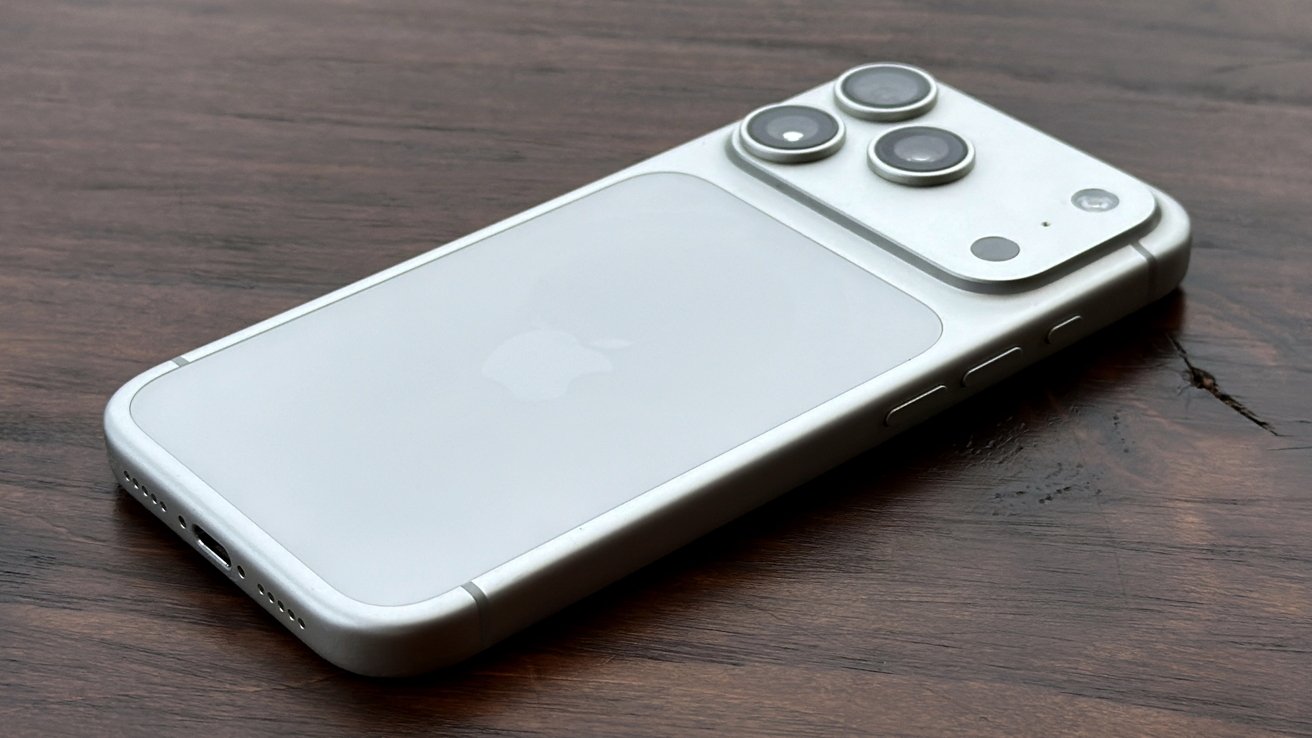
In a strategic move to keep the iPhone 18’s price point stable amidst rising production costs, Apple is reportedly implementing specific downgrades to the device’s display and processing capabilities. This decision aims to align the standard iPhone 18 more closely with the budget-friendly iPhone 18e model.
Display Adjustments
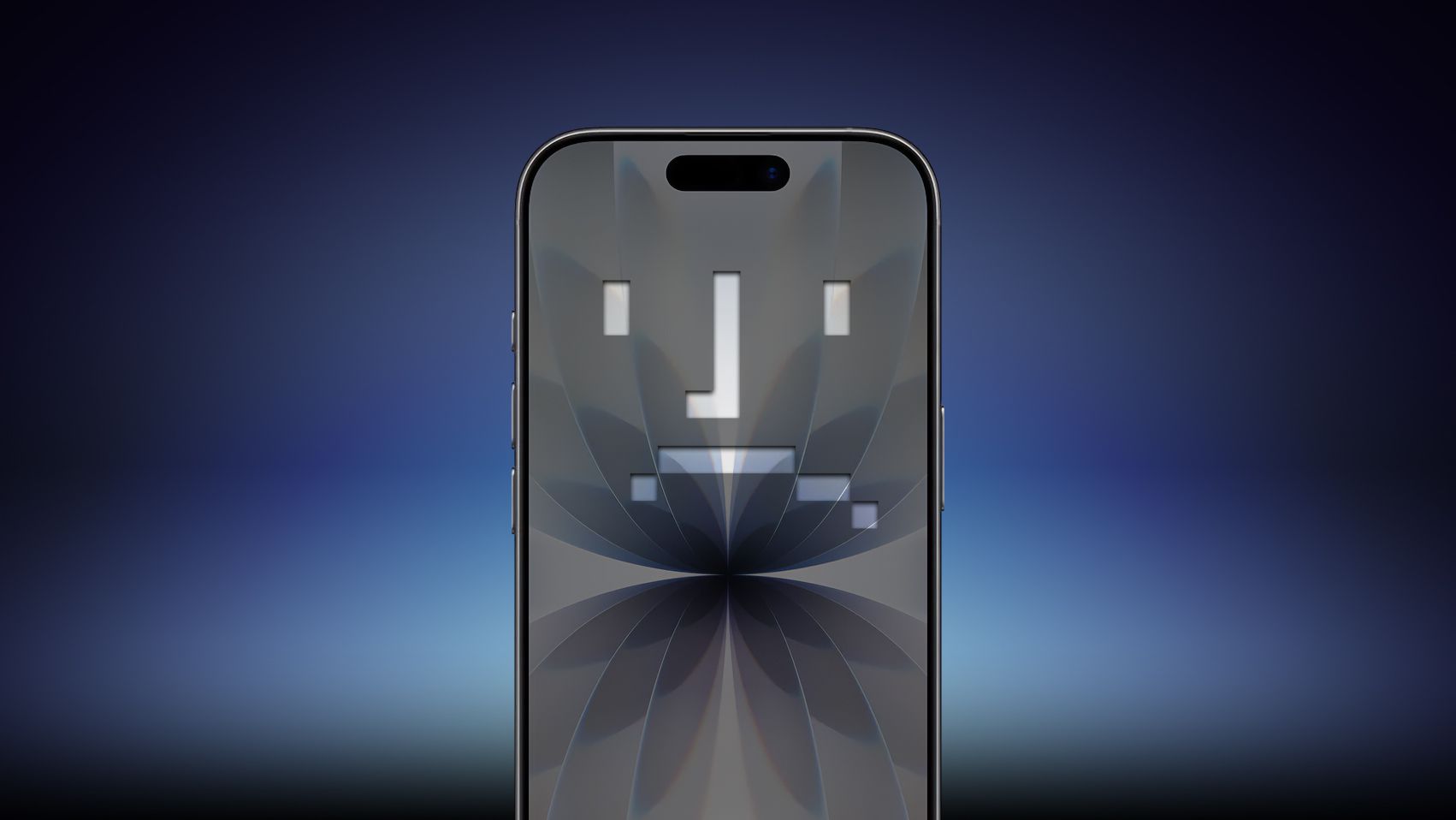
The iPhone 17 introduced a 6.3-inch display featuring ProMotion technology and a peak outdoor brightness of up to 3,000 nits. However, sources suggest that the iPhone 18 will experience a reduction in display quality. While exact specifications remain undisclosed, potential changes could include the removal of ProMotion technology or a decrease in brightness levels. These modifications are part of Apple’s broader strategy to manage production expenses without increasing the device’s retail price.
Processor Modifications
In addition to display changes, Apple is expected to adjust the iPhone 18’s processing power. The iPhone 17 was equipped with the A19 chip, featuring a five-core GPU, while the iPhone 17e utilized a variant with a four-core GPU. The upcoming iPhone 18 may adopt a similar four-core GPU configuration, effectively aligning its performance with the more economical iPhone 18e. This approach reflects Apple’s commitment to cost control while maintaining a consistent price point for consumers.
Manufacturing and Market Strategy
Apple’s decision to implement these downgrades is influenced by the escalating costs of components such as RAM, driven by increased demand from AI data centers. To mitigate these expenses, Apple is reportedly simplifying the manufacturing processes for the iPhone 18, incorporating components from previous generations, and potentially utilizing a less advanced processor. These measures are designed to balance cost and performance, ensuring that the iPhone 18 remains an attractive option for consumers without significant price increases.
Product Launch Timeline
The iPhone 18 is anticipated to launch several months after the release of the iPhone 18 Pro models, as part of a new staggered release strategy. Apple’s traditional fall announcement is expected to feature the iPhone 18 Pro, iPhone 18 Pro Max, and the foldable iPhone Ultra. The iPhone 18e, iPhone 18, and iPhone Air 2 are likely to follow in the spring of 2027. This phased approach allows Apple to differentiate its product offerings and manage production schedules more effectively.
Consumer Implications
For consumers, these changes suggest that the standard iPhone 18 will offer a more cost-effective alternative to the Pro models, albeit with certain compromises in display and processing capabilities. This strategy may appeal to budget-conscious buyers who prioritize affordability over the latest technological advancements. However, those seeking cutting-edge features and performance may find the Pro models more aligned with their preferences.
Conclusion
Apple’s reported downgrades to the iPhone 18’s display and processor are strategic decisions aimed at maintaining the device’s affordability in the face of rising production costs. By aligning the standard model more closely with the budget-friendly iPhone 18e, Apple seeks to offer a range of products that cater to diverse consumer needs and financial considerations. As the tech industry continues to evolve, such strategies highlight the delicate balance between innovation, cost management, and market competitiveness.