Debunking the Rumor: Apple’s Commitment to MagSafe Remains Strong
Recent speculation has emerged suggesting that Apple is contemplating the removal of MagSafe technology from future iPhone models. This rumor, originating from a post on the Chinese social platform Weibo, claims that internal debates within Apple are questioning the continuation of MagSafe as a standard feature. However, a thorough examination of Apple’s current hardware, accessory ecosystem, and industry standards indicates that such a move is highly improbable.
Understanding MagSafe’s Role in iPhone Design
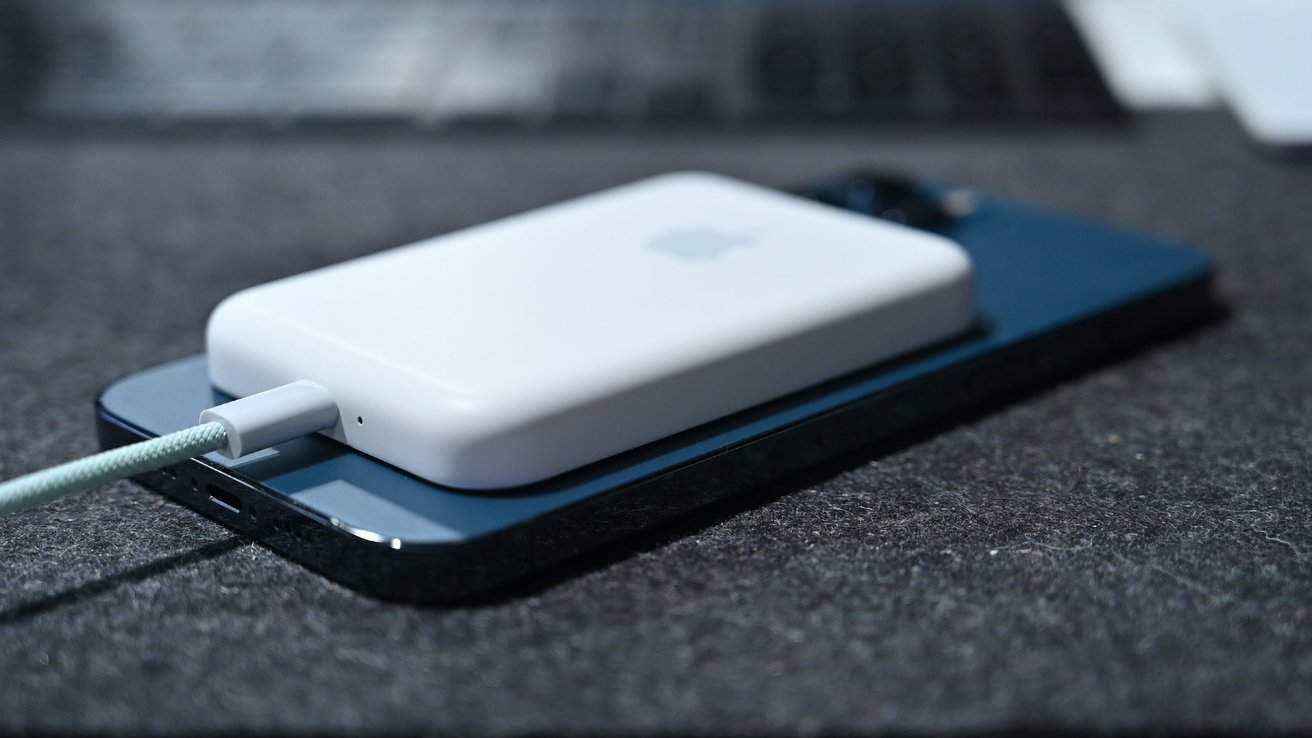
Introduced with the iPhone 12 lineup in 2020, MagSafe brought a ring of magnets to the back of the device, enabling snap-on charging and seamless attachment of accessories. This innovation not only enhanced user convenience but also opened avenues for a diverse range of third-party products, including wallets, cases, stands, and chargers.
The recent claim suggests that the inclusion of MagSafe magnets imposes significant design constraints, potentially hindering Apple’s pursuit of thinner and more versatile iPhone designs. However, this argument doesn’t hold up under scrutiny. Wireless charging necessitates the use of glass or composite backs to facilitate power transfer, which inherently sets the primary material constraints. The addition of thin, passive magnets for MagSafe integration does not substantially impact the device’s form factor. Therefore, removing MagSafe would not result in a markedly different or slimmer iPhone design.
MagSafe’s Integration into the Qi2 Standard
MagSafe’s significance extends beyond Apple’s ecosystem. In January 2023, the Wireless Power Consortium announced Qi2, a new wireless charging standard built upon Apple’s MagSafe technology. By contributing its magnetic alignment system to Qi2, Apple has played a pivotal role in shaping the future of wireless charging. This collaboration has led to the development of a wide array of accessories compatible with both MagSafe and Qi2, further solidifying MagSafe’s position in the industry.
Given this integration, it is unlikely that Apple would abandon a technology that has become a cornerstone of a global standard. Such a move would not only disrupt the existing accessory market but also contradict Apple’s commitment to advancing wireless charging technologies.
Addressing the iPhone 16e Exception
The iPhone 16e, released without MagSafe support, stands as an anomaly in Apple’s product lineup. This omission led to speculation about the future of MagSafe, with some attributing the absence to the introduction of Apple’s in-house C1 modem. However, Apple has officially denied any correlation between the C1 modem and the removal of MagSafe from the iPhone 16e. The decision to exclude MagSafe from this particular model appears to be an isolated case rather than an indication of a broader strategy shift.
The Foldable iPhone and MagSafe Compatibility
Rumors surrounding a potential foldable iPhone, often referred to as the iPhone Ultra, have also fueled discussions about MagSafe’s future. Leaked dummy models of the device lack visible indentations for the internal magnet array required for MagSafe, suggesting that the feature might be absent in this new form factor. The foldable iPhone is rumored to be exceptionally thin, potentially making it challenging to incorporate the necessary magnets for MagSafe functionality.
While this could mean that the foldable iPhone might not support MagSafe, it is essential to recognize that this would be a specific design choice for a particular model rather than a wholesale abandonment of the technology across all iPhone models.
Conclusion
The notion that Apple is considering removing MagSafe from future iPhones lacks substantial evidence and contradicts the company’s current trajectory. MagSafe has become an integral part of the iPhone experience, offering users enhanced functionality and fostering a robust accessory ecosystem. Its integration into the Qi2 standard further underscores its importance in the broader wireless charging landscape.
While certain models like the iPhone 16e and the rumored foldable iPhone may deviate from this trend due to specific design considerations, these exceptions do not signify a broader move away from MagSafe. Apple’s commitment to innovation and user experience suggests that MagSafe will continue to be a staple feature in future iPhone iterations.