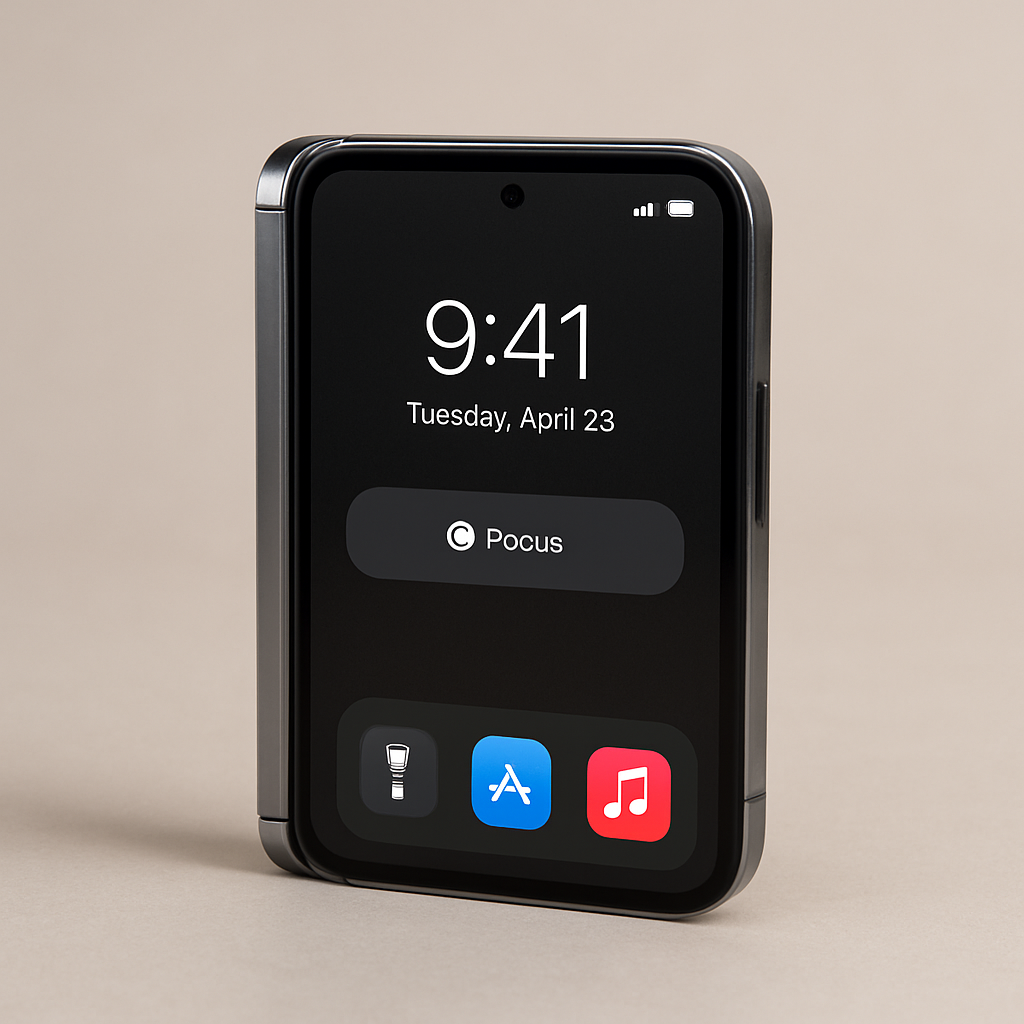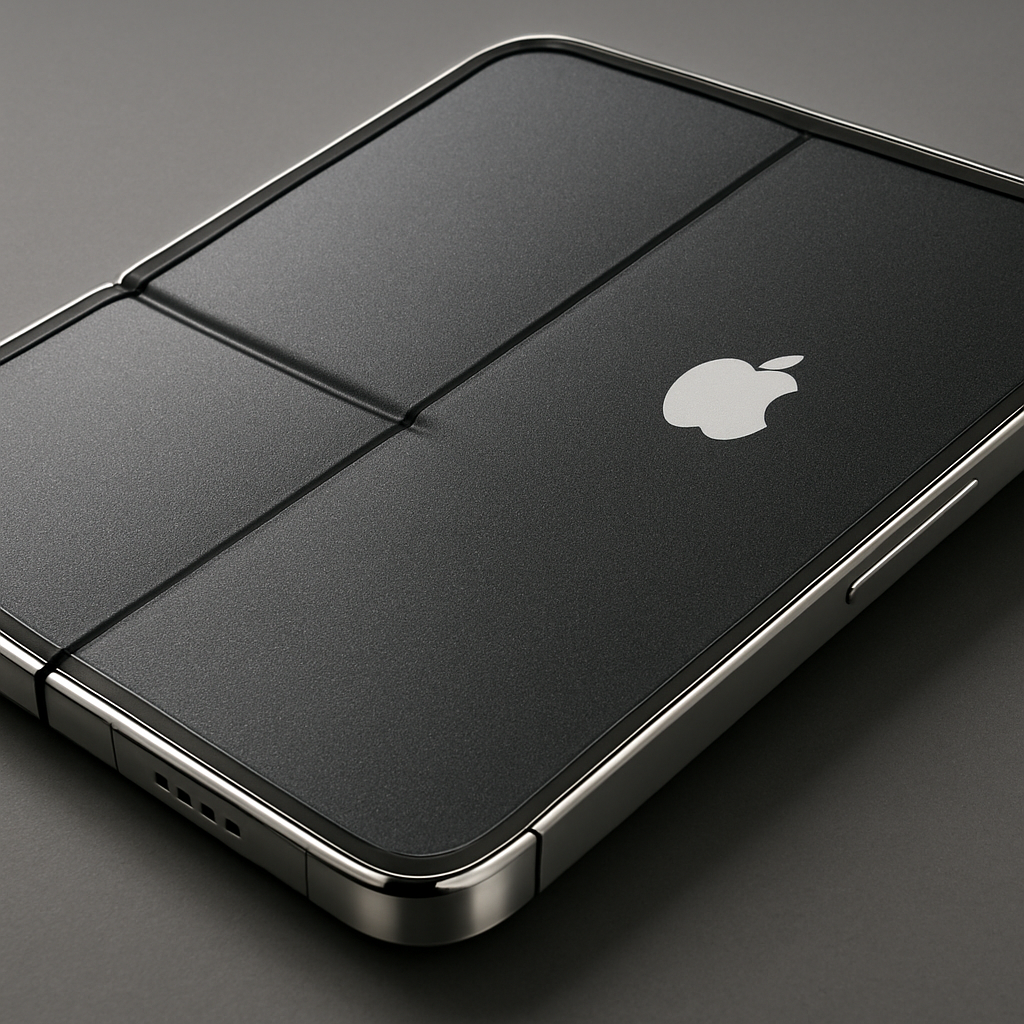
Apple’s new foldable, the iPhone Duo, didn’t appear overnight. CEO John Ternus reveals the journey to bringing Duo to life stretches back to 2011, when he and a group of engineers began sketching patents for foldable electronics—long before bendable phones were common. The aim was never just to chase competitors, but to build a device meeting Apple’s standards of quality and innovation.
Where Early Concepts Met Today’s Standards
Early looped ideas weren’t enough. In the 2010s, most foldables felt cheap and fragile, a shortcoming Ternus says Apple refused to repeat. The design now includes a hinge comprised of over 100 precise components that make the device lie flat when opened. The outer surfaces include a polymer with a custom nanotexture to reduce glare, eliminate waviness, and boost durability. Every part—from displays to materials—had to hit Apple’s bar for how a premium product feels.
Lessons from Apple’s Design DNA
Songbooks and notebooks weren’t just metaphors—they served as design touchstones. Apple’s team used the A-series paper proportions (closest to A5) to model how the Duo should look in the pocket versus open. The ambition: to feel elegant closed and expansive when you unfold. Interface designers also made sure it wouldn’t feel like you dropped into a new OS when opening Duo—expect familiar apps and gestures flowing from outer to inner screen. Duo tips its hat to previous Apple devices: from iPad’s display technologies to ideas from classic Macs, all influencing what a foldable should even be.
Apple waited, refined, and held its ground on what counts. Pre-orders open October 16, 2026, and pricing starts at $1,999—reflecting the complexity and engineering behind Duo. This isn’t a leap into a new phone category; it’s a carefully molded shape of Apple’s vision, blending existing hardware and software strengths into something that both stretches and respects its past.
Why this matters:Apple’s commitment shows foldables are entering maturity—not just novelty. Duo could reset what people expect: a foldable won’t be judged only by its screen flexibility but how seamlessly it integrates into users’ habits. Critics will watch closely for crease visibility, app ecosystem support, and usability in both closed and open forms. If Duo hits those, it might not just define a new model—it could define the next era.