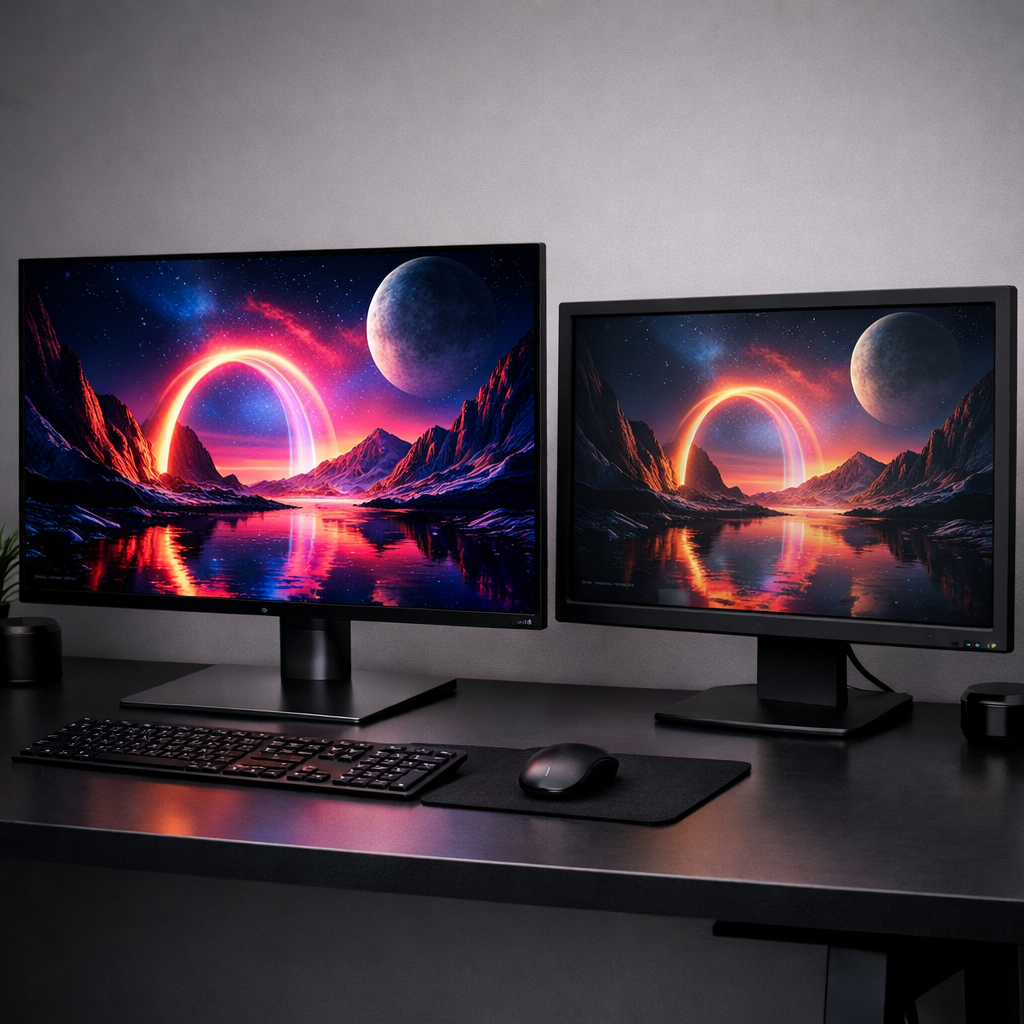
Apple is seriously rethinking its intentions to launch an OLED iMac. Citing insider sources in the display industry, the company is in active talks with Samsung Display to either delay or cancel development of the OLED version, primarily due to high panel costs and lackluster demand for OLED products. The discussion appears focused on pausing the project while Apple gauges whether the premium sacrifice pays off.
Originally expected to arrive in 2029 or 2030, the OLED iMac project now faces a shift back toward LCD panels. Apple has reportedly asked its LCD suppliers, including BOE, to prepare screens for a new iMac around 2029—suggesting that the company might scrap OLED entirely during that timeframe.
Costs and Market Warnings
The cost to build OLED panels at the large sizes needed for iMacs is steep. iMacs don’t sell in volumes anywhere close to iPhones or MacBooks, so the higher price of OLED components is harder to justify without sharply increasing device prices. Rising memory costs are also driving up overall production expenses for OLED-based Macs.
Apple’s experience with OLED iPads has raised warning signs: the brighter tandem OLED screens introduced in the 2024 iPad Pro improved image quality, but higher pricing appears to have led to a drop in unit demand. Production cuts reportedly reduced panel shipments from as many as 10 million units to about 6.7 million.
Display Development Update
Two display partners were working on OLED panels for the iMac: Samsung Display and LG Display. Samsung was building a large-format quantum dot OLED panel aiming for approximately 220 pixels per inch, using a five-layer light-emitting structure designed to improve brightness and lifespan. LG was pursuing a white OLED panel with similar technology. But work on LG’s design has reportedly ceased, and Samsung’s sample deliveries—which had been expected in the second half of 2026—are now in question.
Additionally, Apple leadership changes are playing a part. Since John Ternus took over as CEO in September, the company is said to be evaluating whether OLED’s advantages are worth the expense given the current market dynamics.
Even though OLED remains under testing for machines like the iMac and MacBook Air, no solid timeframe has been confirmed for when those switches might occur.
What this means:
Apple’s move to reconsider an OLED iMac underscores the balancing act between pushing technological progress and ensuring strong product demand. OEMs are often excited by OLED’s superior contrast, brightness, and color—but margins are razor thin when scale is uncertain. If Apple does stick with LCD through 2029, it’s likely to retain LCD technology for iMac until OLED costs fall, or demand becomes compelling enough to absorb the premium. In the meantime, watch how market response to OLED iPads continues to evolve: that could well be the tipping point for whether OLED becomes affordable, or just aspirational, in Apple’s larger-screen lineup.