Apple’s Final Farewell to Intel Macs: A New Era Begins at WWDC 2026
As Apple prepares to unveil macOS 27 at the Worldwide Developers Conference (WWDC) 2026, the tech giant is set to mark a significant milestone: the complete transition from Intel-based Macs to its proprietary Apple Silicon architecture. This shift signifies the end of an era for Intel Macs, with macOS 27 exclusively supporting devices powered by Apple’s M-series chips.
The Transition to Apple Silicon
Apple’s journey towards in-house chip development began in 2020 with the introduction of the M1 chip, signaling a strategic move to enhance performance, energy efficiency, and integration across its product lineup. Over the subsequent years, Apple systematically expanded its M-series processors, culminating in the M5 chip, which now powers the latest Mac models.
This transition was not merely a hardware upgrade but a redefinition of the Mac experience. Apple Silicon’s architecture offers significant advantages, including improved processing power, better thermal management, and enhanced battery life. These benefits have been instrumental in delivering a more seamless and responsive user experience.
The Impending End of Intel Mac Support
The release of macOS 27 marks the cessation of support for Intel-based Macs. This decision affects several models, notably:
– MacBook Pro 16-inch (2019)
– MacBook Pro 13-inch (2020, four Thunderbolt 3 ports)
– iMac 27-inch (2020)
– Mac Pro (2019)
For users of these models, macOS 26 Tahoe will be the final version compatible with their devices. While Apple has committed to providing critical security updates for Intel Macs for the next three years, users will not have access to new features and improvements introduced in macOS 27 and beyond.
The Role of the Neural Engine
A pivotal factor in this transition is the integration of the Neural Engine within Apple Silicon chips. This dedicated Neural Processing Unit (NPU) is designed to handle machine learning (ML) tasks efficiently, a capability that Intel chips lack. The Neural Engine enables advanced features such as enhanced image processing, real-time language translation, and improved voice recognition. As macOS continues to evolve, leveraging the Neural Engine becomes increasingly central to delivering innovative functionalities that Intel-based Macs cannot support.
Implications for Developers and Users
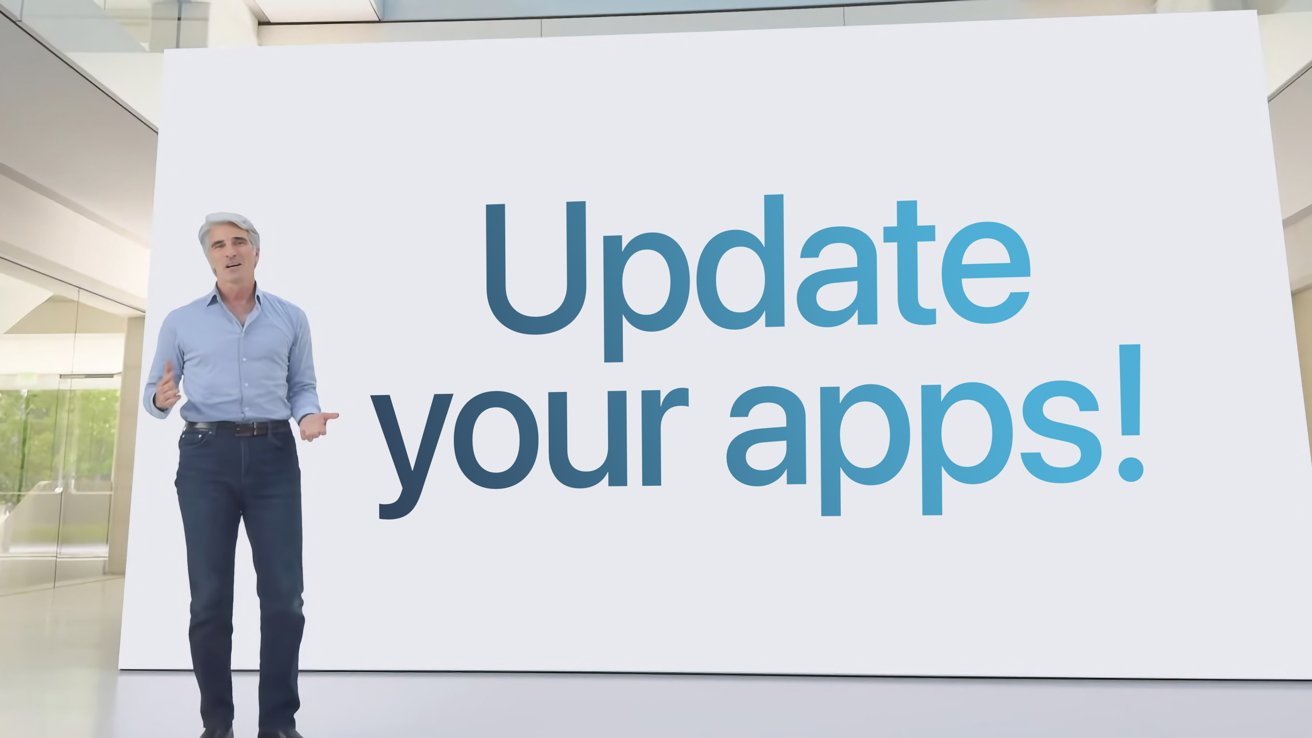
The phasing out of Intel Mac support has significant implications for both developers and users. Developers are encouraged to update their applications to ensure compatibility with Apple Silicon, utilizing tools like Xcode to create Universal apps that run natively on both Intel and M-series Macs. However, with the end of Intel support, the focus will shift entirely to optimizing applications for Apple Silicon.
For users, this transition necessitates careful consideration. Those relying on Intel-based Macs should evaluate their hardware needs and plan for eventual upgrades to Apple Silicon models to continue receiving the latest software features and performance enhancements.
The Future of macOS and Apple Hardware
Looking ahead, Apple’s commitment to its in-house chip development paves the way for more integrated and efficient hardware-software experiences. The synergy between macOS and Apple Silicon allows for tailored optimizations, resulting in faster performance, longer battery life, and the introduction of features that leverage the full potential of the hardware.
Moreover, this transition aligns with Apple’s broader strategy of creating a cohesive ecosystem across its devices. By standardizing on Apple Silicon, Apple can ensure a consistent user experience, facilitate cross-device functionality, and streamline development processes.
Conclusion
The unveiling of macOS 27 at WWDC 2026 is more than just a software update; it represents the culmination of Apple’s strategic shift towards self-reliance in hardware design. While the end of support for Intel Macs may pose challenges for some users, it also heralds a future of enhanced performance, innovation, and integration within the Apple ecosystem.