John Ternus, who officially stepped in as Apple’s CEO last month, is placing design at the heart of his approach—based on comments he made in a recent interview with TIME. The conversation shines light on how he views his role in design and the collaborative culture at Apple that bridges hardware, software, and industrial design teams. These insights offer a rare glimpse into how Apple’s leadership navigates creative processes behind its products.
From Mechanical Engineer to Design-Driven CEO
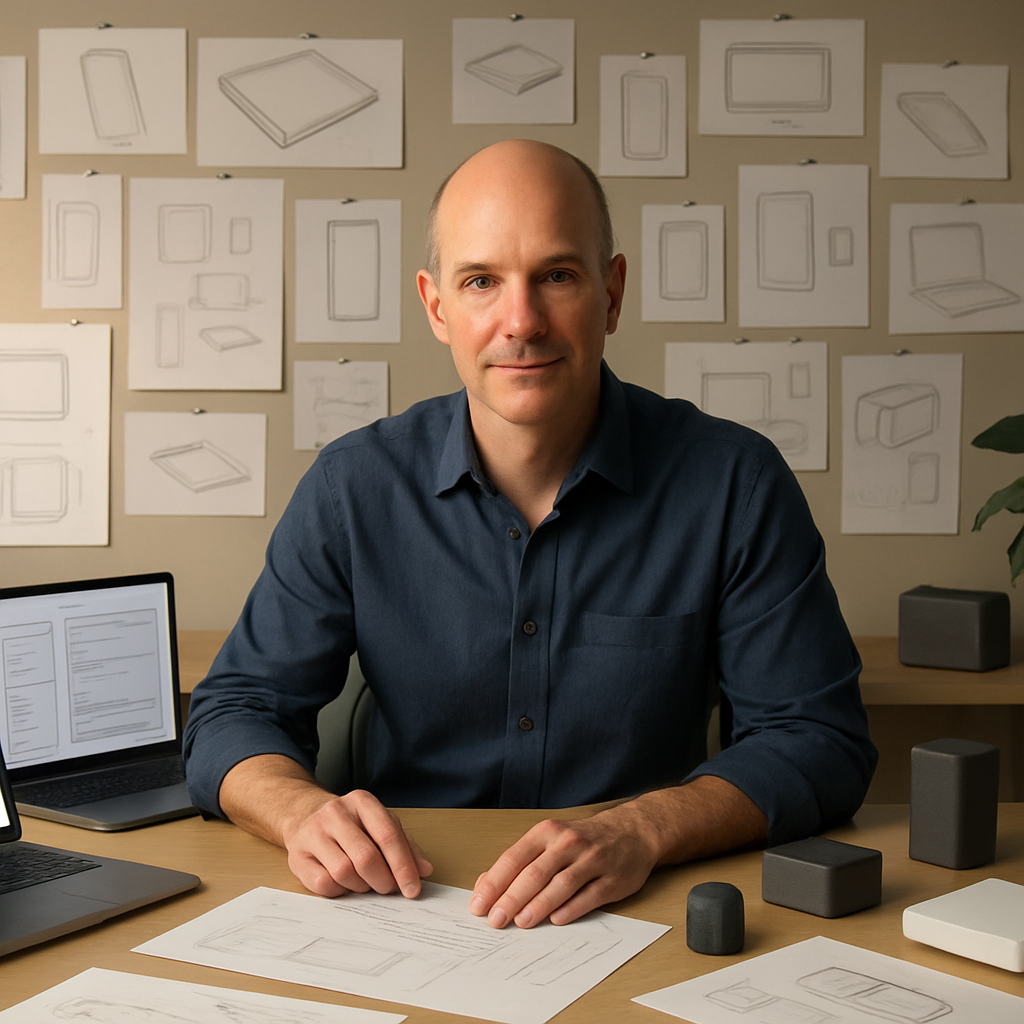
Ternus—by training a mechanical engineer and former product designer—says his hands-on involvement with Apple’s industrial designers stretches back to the early stages of projects. Rather than acting merely as a figurehead, he describes collaboration from ideation to execution as core to Apple’s process. That includes designers and engineers working in tandem from day one, rather than design being something that’s checked off or handed off.
Design as the Centerpiece of Apple’s Identity
According to Ternus, design is more than aesthetics; it’s embedded in Apple’s DNA. He emphasizes that both hardware and software designers deeply understand engineering constraints and, conversely, engineering teams maintain a strong respect for design intentions. For Ternus, the melding of these disciplines into a mutual, ongoing relationship is what defines Apple’s culture moving forward under his leadership.
He also addressed what “being involved with design” means in a leadership role. Even though he didn’t explicitly label himself as more hands-on post-promotion, he reiterated how long design has been central to his own work at Apple—and how it remains so. In his view, meaningful design doesn’t happen in silos; it comes from ongoing engagement between creative and engineering teams.
Under Ternus’s CEO tenure, the emphasis on design is already appearing in discourse if not yet in product changes. Statements like his suggest a possible shift in how decisions get made—one where the design voice is heard earlier and more clearly in any project’s lifecycle.
This signals a philosophy change from some tech peers, where design can sometimes be secondary to engineering or marketing. At Apple, Ternus is making it clear: design is foundational, not ornamental.
What this means going forward: Apple under Ternus may prioritize projects with stronger visual and experiential cohesion, perhaps accelerating integration between industrial design, software UX/UI, and engineering teams. Product launches might reveal this shift, if Apple’s upcoming hardware and software designs show even tighter unity. Also worth watching: whether this philosophy influences hiring, decision hierarchy, and what kinds of projects get greenlit.