Navigating the Storm: John Ternus’ Strategic Response to Soaring iPhone Memory Costs
As John Ternus prepares to assume the role of Apple’s CEO in September 2026, he is confronted with a formidable challenge: a dramatic surge in RAM prices that threatens to impact the upcoming iPhone launch. This situation is further complicated by ongoing pressures to shift manufacturing to the United States, necessitating potential overhauls in Apple’s supply chain strategies.
Escalating Memory Costs
The tech industry is currently grappling with a significant increase in memory prices, with RAM costs experiencing unprecedented spikes. This escalation is largely driven by the global expansion of AI infrastructure, as companies invest heavily to secure production capacity in advance. Historically, Apple has managed to shield itself from such market volatility through strategic supplier contracts. However, this insulation is proving to be temporary.
Analysts project that the proportion of memory costs in the iPhone’s bill of materials will escalate from the current 10% to an alarming 45% by the end of 2026. This substantial increase poses a direct threat to Apple’s pricing strategies and profit margins. The surge in demand for memory components has also intensified competition among tech giants, diminishing Apple’s once-dominant negotiating position.
Supply Chain Diversification
In response to these challenges, Apple has been actively diversifying its supply chain, reducing its historical dependence on China. The company has made significant investments in India, expanding iPhone production capabilities to mitigate risks associated with geopolitical tensions and supply chain disruptions.
This strategic shift, however, introduces new complexities. China, a longstanding manufacturing partner, has expressed concerns over reduced investments from Apple. Maintaining a delicate balance between fostering new manufacturing relationships and preserving existing ones will be crucial for Ternus as he navigates these changes.
Domestic Manufacturing Pressures
Adding to the complexity, the U.S. government, under President Donald Trump, has been advocating for increased domestic manufacturing. In 2025, Apple pledged a $600 billion investment into the U.S. economy, followed by a 14-year plan announced in March 2026 to invest an additional $400 million in domestic component production.
While these investments have led to developments such as the Mac mini assembly plant in Houston, they have yet to significantly impact iPhone production within the United States. Fulfilling these commitments will be a critical task for Ternus, as failure to do so could strain relations with the Trump administration.
Leadership Transition and Strategic Continuity
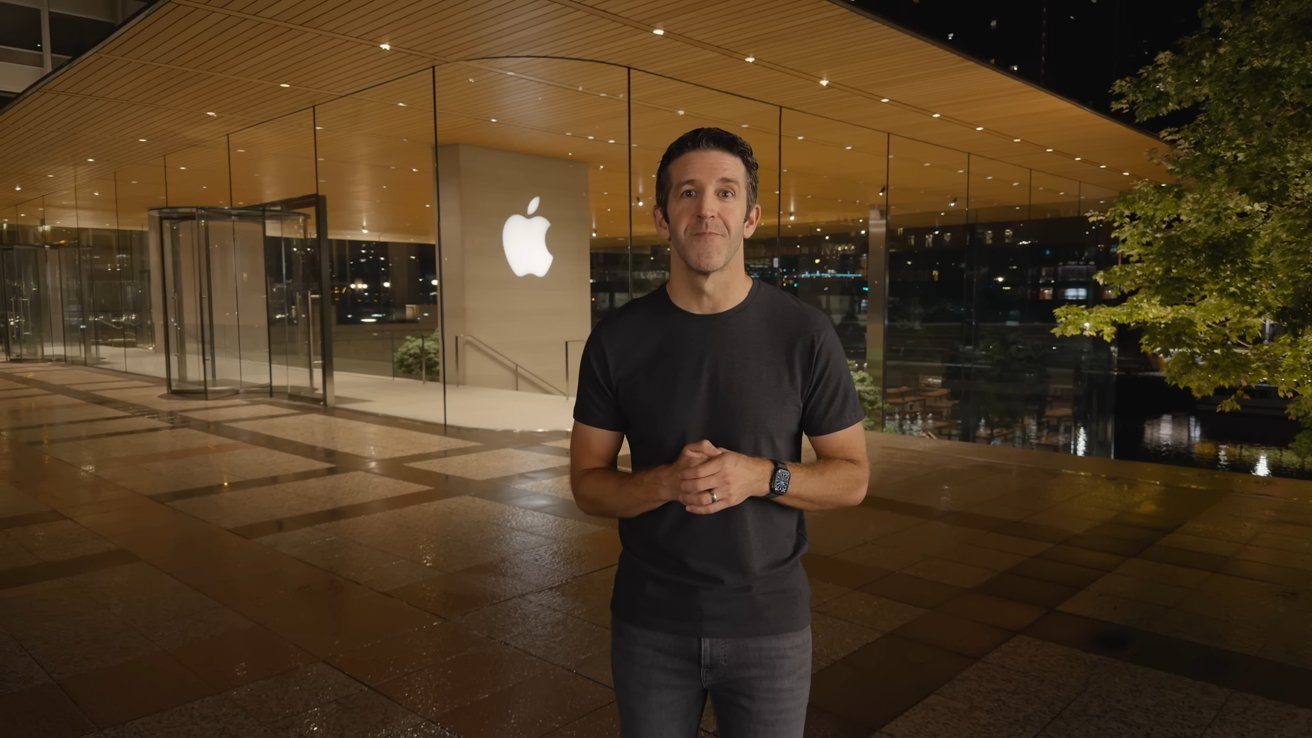
John Ternus’ ascent to the CEO position marks a significant transition for Apple. Having joined the company in 2001 and serving as Senior Vice President of Hardware Engineering since 2021, Ternus has been instrumental in the development of key products, including various iPad models, the iPhone 12, and AirPods. His leadership has been characterized by a focus on innovation and product excellence.
Despite the leadership change, analysts anticipate that Apple’s strategic direction will remain consistent in the near term. The company’s history of deliberate and staged executive transitions suggests a commitment to stability and continuity. However, Ternus’ engineering background may influence future product development and supply chain strategies, potentially leading to nuanced shifts in Apple’s approach.
Conclusion
As John Ternus steps into his role as Apple’s CEO, he faces a complex landscape marked by soaring memory costs, supply chain diversification efforts, and domestic manufacturing pressures. His ability to navigate these challenges will be pivotal in maintaining Apple’s market leadership and sustaining its tradition of innovation. The tech industry will be closely watching how Ternus addresses these issues, as his decisions will have far-reaching implications for Apple’s future.