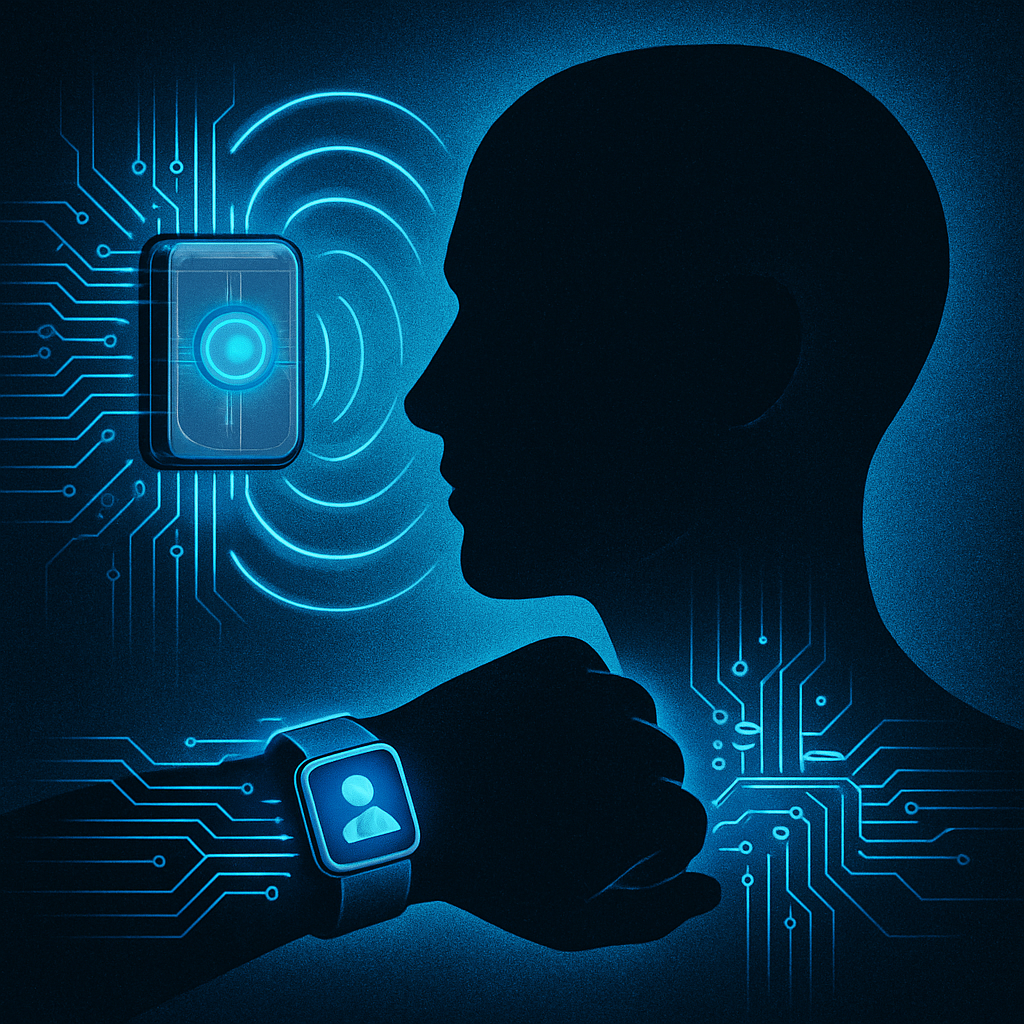
Apple has quietly acquired Sonera, a California-based startup specializing in non-invasive brain imaging sensors, a move that may reshape future health and accessibility tools. Sonera’s technology captures neural signals through magnetic sensors—potentially enabling anything from muscle monitoring to direct thought-driven control of devices—all without implants. The acquisition, completed in May 2026 per EU filings, marks a strategic shift toward sensing brain activity through magnetic rather than electrical means. Sonera’s website is now offline.
Non-invasive Sensors That Read Brain Signals
Sonera was founded in 2018 by UC Berkeley graduates Nishita Deka and Dominic Labanowski. Back in 2020, the company unveiled its mission: to make brain imaging more portable, faster, and affordable without sacrificing performance. Its early work focused on developing sensors that detect magnetic fields produced by brain and muscle activity, offering advantages over electrical sensors, which are less effective due to signal damping by the skull.
From S1 Chip to Wearables
The startup’s debut product—dubbed the S1 chip—is capable of capturing both muscular and magnetic brain signals. It’s designed to be used in prosthetics and has promising applications in consumer wearables. For Apple, this means the tech could integrate into future Apple Watches or other wearable devices, opening up continuous monitoring for neuromuscular conditions or assisting users who rely on thought-based control interfaces.
Notably, there’s precedent: thought control of Vision Pro has been demonstrated before, but it required an implant. Sonera’s magnetic sensor approach could allow similar controls without invasive procedures.
According to EU acquisition records, Apple completed the purchase of Sonera in May of this year. The company’s site now being deactivated suggests its capabilities will be folded into Apple’s product roadmap.
Apple’s move underscores its long-term focus on health and accessibility innovation—efforts that have defined recent products like Apple Watch’s health sensors and accessibility features in software.
What This Means
Apple’s acquisition of Sonera signals a serious investment in sensing and interpreting neural data through magnetic imaging. Delivering on this promise could mean wearable health devices that not only track your heart or sleep, but respond directly to the mind. Still, integrating magnetic sensing into consumer devices involves challenges: hardware miniaturization, power constraints, and accuracy. Apple will need to prove it can pull all that off while maintaining privacy and safety. Watch for talks of magnetic-neural features in upcoming Apple Watches or VisionOS releases.