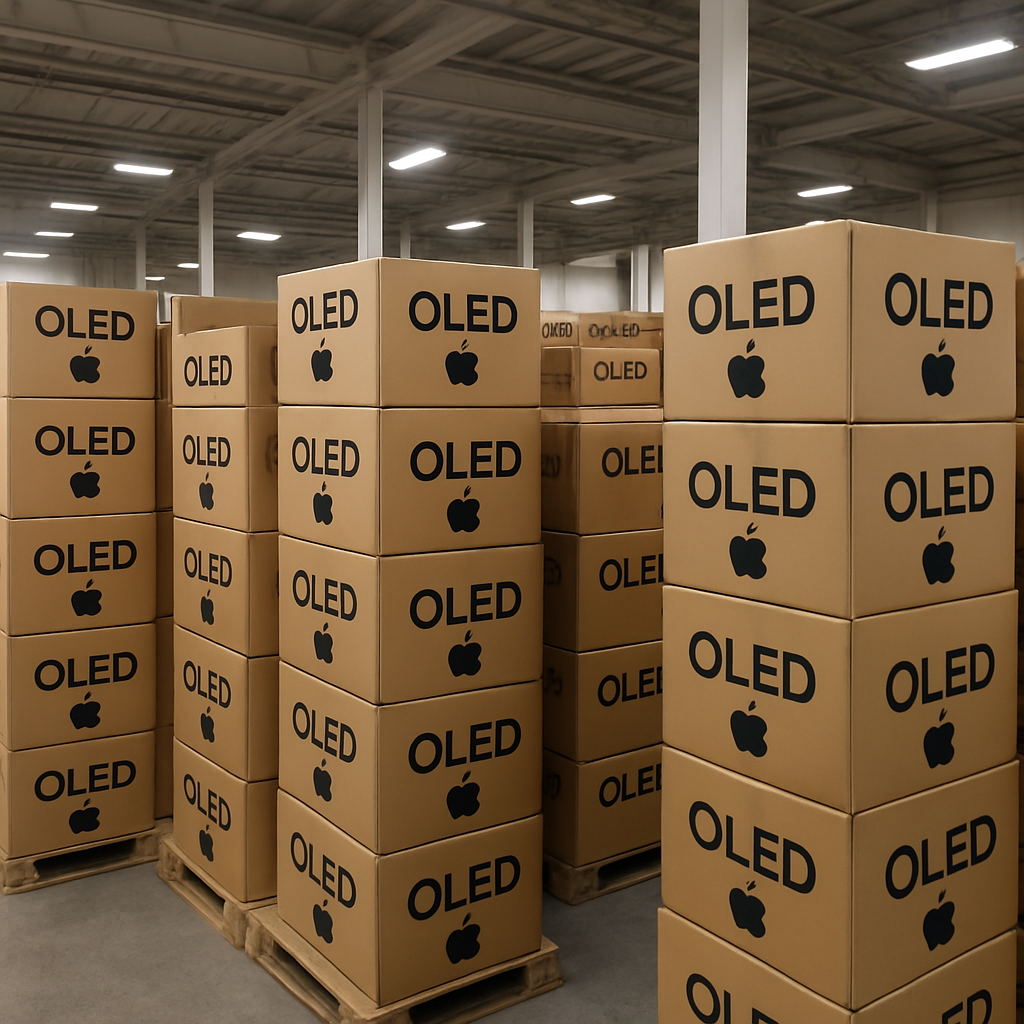
Apple is proactively increasing its inventory of OLED display panels to mitigate the financial impact of escalating RAM and SSD prices. This strategic move aims to stabilize production costs for upcoming iPhone models.
In the second quarter, Apple extended the holding period for OLED panels from four to six weeks. This adjustment allows the company to better manage supply chain fluctuations and maintain consistent production schedules.
The tech industry is currently grappling with significant price hikes in memory components. Factors such as increased demand from AI data centers and a shift in production focus by major manufacturers have led to a global shortage of DRAM and NAND flash memory. This shortage has resulted in higher costs for these essential components.
Apple’s decision to stockpile OLED panels is a calculated effort to offset these rising expenses. By securing a steady supply of displays at stable prices, Apple can alleviate some of the financial pressures caused by the volatile memory market.
However, this strategy has its limitations. While increasing OLED inventory provides short-term relief, it doesn’t address the root causes of the memory component shortages. The ongoing demand for high-bandwidth memory in AI applications continues to strain the supply chain, making it challenging for companies like Apple to secure necessary components without incurring higher costs.
Looking ahead, Apple’s approach highlights the importance of supply chain diversification and strategic inventory management in navigating component shortages. As the industry continues to face these challenges, companies must adopt innovative strategies to maintain product pricing and availability.