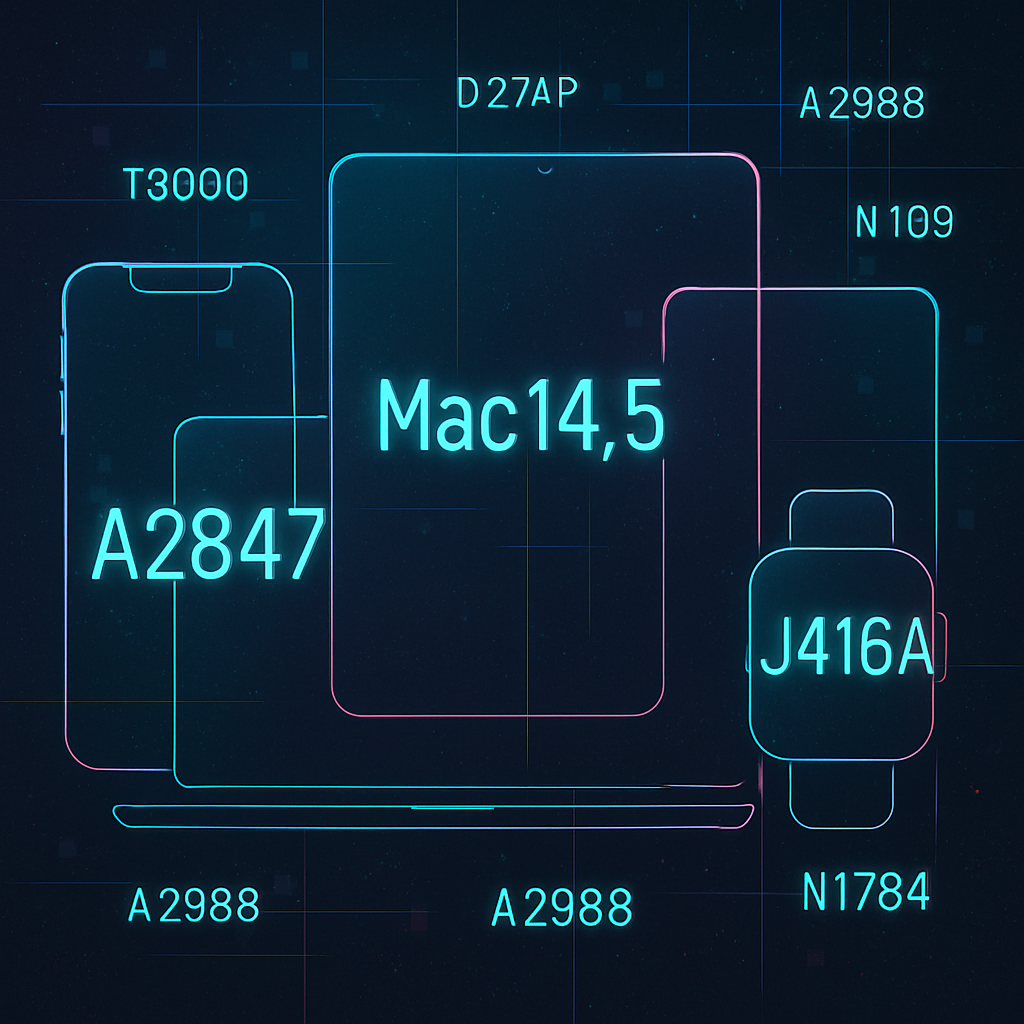
Apple’s internal systems have revealed 37 new hardware identifiers across multiple product categories, sparking speculation. However, industry watchers caution that these codes alone don’t guarantee that the devices in question are bound for announcement—much less imminent release.
What Was Found
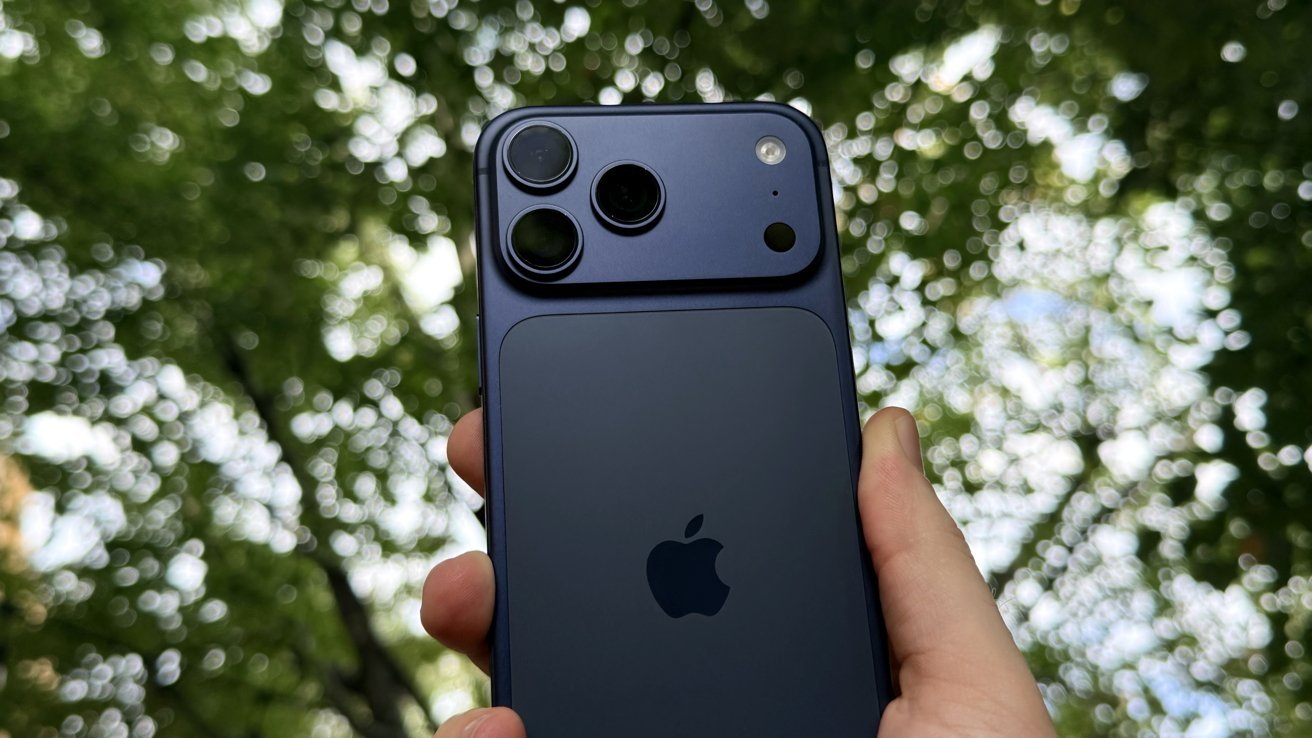
A data researcher spotted identifiers in Apple’s backend for several device families: seven for new iPhones, numerous Macs including those designated as “M6” models, upcoming iPad updates, multiple Apple Watches with varied materials, and potential new Home Accessories or Apple TV hardware. Examples include iPhone19,1 through iPhone19,7; Mac17,10 through Mac19,1; and Watch8,1 up through Watch8,9. One of the iPhones listed is believed to be the unreleased iPhone Air 2, but there’s an extra entry beyond known models—a mystery variant or size could be in play.
Why Identifier Listings Don’t Mean Release
While the discovery aligns with rumor cycles around Apple’s “Surprise and Shine” event, analysts urge caution. The presence of new identifiers is not a reliable indicator of what will be shown. Identifiers often exist long before products are ready—or even during early concept or prototype stages. They may be published for regulatory compliance or cataloging, rather than signaling a product’s final specs or availability.
Even when identifiers match expected devices—such as those associated with the iPhone 18 Pro, iPhone Ultra, or Air 2—they don’t confirm launch timing. It’s entirely possible that many listed devices won’t be featured at the upcoming event or could be significantly delayed.
Background: Why Identifiers Matter, But Only Somewhat
Device identifiers serve internal and regulatory purposes—tracking hardware versions, region variants, or material options. They’re often found in databases long before commercial release. Sources like code sleuths and regulatory filings have historically led leaks, but also dozens of false positives or devices that never materialize as announced.
Apple’s “Surprise and Shine” event—expected imminently—is often used to introduce hardware like iPhones, Macs, Apple Watches, and home devices. But analyses of past events show that not every identifier seen ahead of time corresponds to something shown at the keynote.
In short, identifiers tell us Apple has active development across many product lines. What those identifiers don’t tell us is what Apple plans to unveil, when, or in what form.
As new identifiers surface, fans will want to keep an eye on official firmware, regulatory filings, or leaks with strong corroboration before treating them like public-facing product clues.
What this Means: This batch of identifiers confirms Apple is working broadly—targeting new Macs with M-series chips, fresh iPads, Watches with different finishes, and home gear. It suggests the company’s roadmap is active and diverse. But until there’s confirmation—be it in manuals, firmware, or official announcements—interpret any identifier leak with a steady dose of skepticism.
Analysis: Identifier leaks like this tend to signal internal planning rather than imminent launch. For Apple watchers, the key will be finding overlap between identifier leaks, credible supply-chain reports, or regulatory filings. Those real-world touchpoints tend to be the strongest clues about what’s truly coming and when.