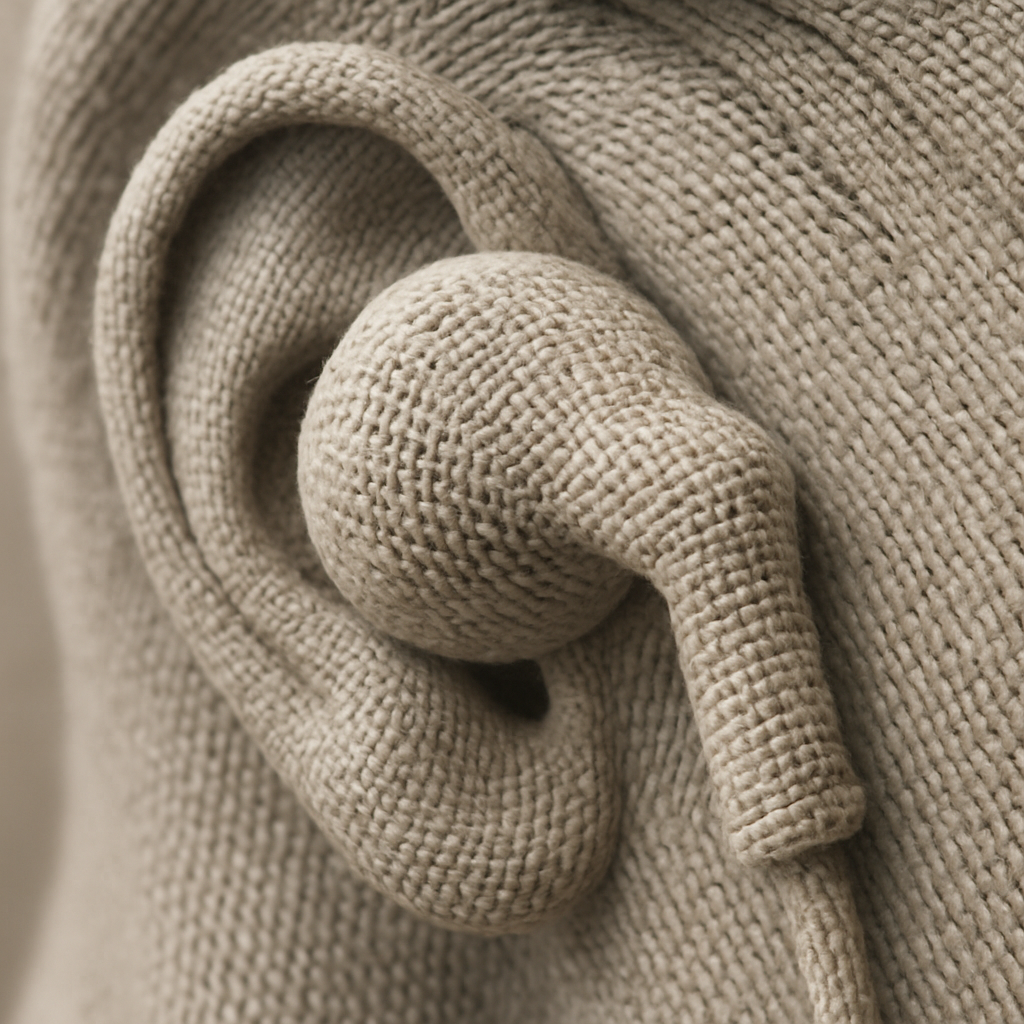
Apple has secured a new patent that could transform how AirPods are made by allowing every user’s earbuds to be custom-fitted. The company’s recent formality, titled “Fabric-based earbuds,” outlines a method for creating custom EarPods tailored to individual ear structures using 3-dimensional imaging and precision weaving. Such earbuds would depart from the usual plastic shells in favor of fabric materials that conform more closely to ear anatomy.
How Apple proposes tailoring fit
The technology involves using a 3-D sensor to scan a user’s ears, capturing detailed dimensions of parts like the tragus, antitragus, and concha. That data would feed into computing tools which generate the customized shape specifications. Once the sizing information is captured, weaving machines would generate earbuds shaped to those personalized contours. In some sections, the fabric may be slightly oversized because certain ear areas—like the concha—can allow for compression without discomfort.
Central to the patent is Apple’s novel approach to weaving three-dimensional structures from fabric—moving beyond simple 2-D textile patterns. It describes methods involving warp loops, weft strands, and hook designs to build form while retaining flexibility and comfort. These woven earbuds could bring advantages in weight, durability, sound permeability, and overall wearer comfort compared to traditional plastic alternatives.
Challenges ahead: measuring millions of ears
While the patent details the manufacturing and material side, it’s less clear how Apple plans to gather accurate ear data at large scale. The document mentions using a three-dimensional sensor but doesn’t specify whether it would be part of an iPhone or a separate device. Apple has some relevant experience: face scanning for its Vision Pro headset and size guidance tools for the Apple Watch both rely on imaging and measurements—but neither is directly comparable.
Indeed, modern iPhones already feature Face ID and LiDAR systems capable of depth and facial scanning. These technologies could be leveraged for ear measurement, potentially allowing users to do the entire measurement process themselves. The biggest payoff from a perfect custom fit would likely be improved passive noise cancellation, something fabric-based fits might enhance dramatically.
The inventors behind the patent include Kathleen A. Bergeron, who has previously worked on Apple patents involving audio and fabric design. While the idea remains at the patent stage, it reflects a broader trend toward more personalized wearable audio devices.
Analysis:If this ever reaches production, the implications for comfort, sound isolation, and user satisfaction are significant. AirPods that actually fit like they were made for your ears could solve one of the most common complaints about earbuds: fit. The move toward fabric over rigid plastic could also reduce weight and improve wearability over long periods. However, scaling such a system—acquiring 3-D scans from millions of users, ensuring accurate manufacturing, and maintaining durability of woven materials—poses nontrivial hurdles. What to watch for: Any field tests or prototypes showing the durability and acoustic performance of these fabric-based earbuds, and how Apple might incorporate ear scanning into devices people already own, like iPhones or even Apple Watch accessories.