Apple’s Strategic Shift: Prioritizing Hardware Excellence Over AI Leadership
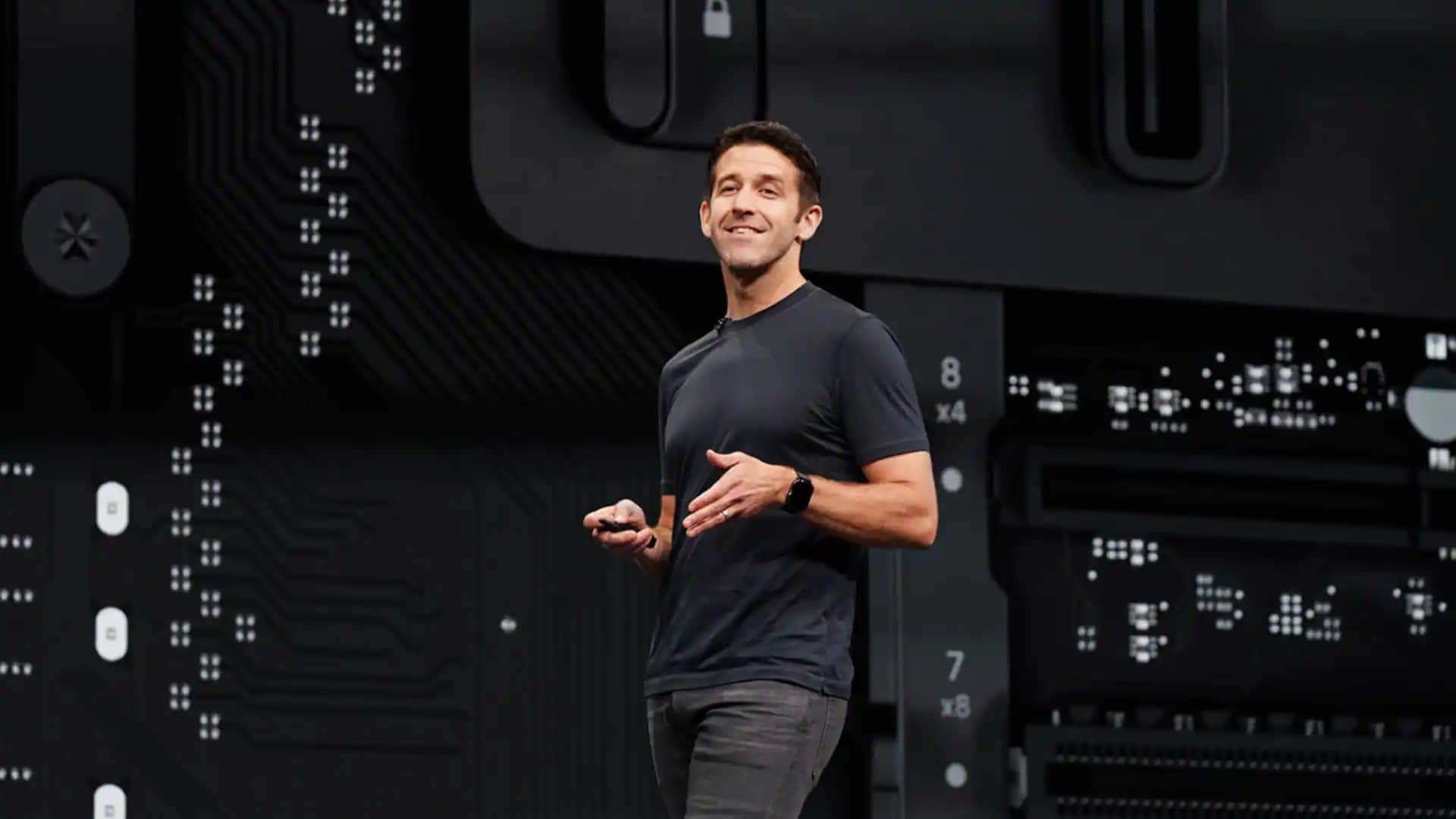
In a decisive move that underscores its strategic direction, Apple has appointed John Ternus, a seasoned hardware engineer, as its next Chief Executive Officer, succeeding Tim Cook in September. This choice highlights Apple’s commitment to hardware innovation amidst the tech industry’s fervent focus on artificial intelligence (AI).
A Legacy of Hardware Innovation
John Ternus’s journey with Apple began in 2001, marking over two decades of significant contributions to the company’s hardware evolution. His leadership has been instrumental in the development of iconic products such as the iPhone, Mac, Apple Watch, AirPods, and the recent MacBook Neo. Apple’s official announcement lauded Ternus’s engineering acumen and innovative spirit, emphasizing his deep technical knowledge and dedication to product durability, repairability, and energy efficiency.
Tim Cook, reflecting on Ternus’s appointment, stated:
> John Ternus has the mind of an engineer, the soul of an innovator, and the heart to lead with integrity and with honor. He is a visionary whose contributions to Apple over 25 years are already too numerous to count.
This endorsement underscores the company’s confidence in Ternus’s ability to steer Apple through the evolving technological landscape.
Emphasizing Hardware Efficiency Amidst AI Expansion
While the tech industry is rapidly advancing in AI, Apple’s decision to appoint a hardware veteran signals a strategic emphasis on hardware efficiency and sustainability. The International Energy Agency projects that global data center electricity consumption will nearly double by 2030, primarily due to AI demands. In this context, Apple’s focus on developing energy-efficient hardware becomes increasingly pertinent.
Under Ternus’s leadership, Apple has prioritized on-device AI processing, reducing reliance on energy-intensive cloud computations. This approach not only enhances user privacy but also aligns with global efforts to mitigate environmental impact. Efficient chip design, extended battery life, and reduced power consumption are now as critical as the AI capabilities themselves.
Commitment to Environmental Sustainability
Apple’s environmental initiatives have been a cornerstone of its corporate responsibility. The company reported that over 30% of the materials used in products shipped in 2025 were sourced from recycled materials. Additionally, Apple’s greenhouse gas emissions have remained more than 60% below 2015 levels, despite continued business growth.
Ternus has played a pivotal role in these achievements. His team has advanced the use of recycled aluminum, pioneered 3D-printed titanium components, and improved product repairability. These innovations have not only extended product lifespans but also significantly reduced environmental footprints.
Apple highlighted Ternus’s contributions, stating:
> Under his leadership, his team also drove advancements in AirPods to make them the world’s best in-ear headphones, while also crediting him for innovations that increased product lifespan and reduced environmental impact.
This focus on sustainability differentiates Ternus from typical Silicon Valley AI executives. Apple’s choice reflects a preference for leaders with tangible product development experience over those primarily known for AI advancements.
Balancing AI Integration with Hardware Excellence
Apple’s selection of Ternus as CEO does not indicate a disregard for AI; rather, it suggests a strategic approach to integrating AI within the framework of hardware excellence. The company aims to develop AI features that are seamlessly embedded into its devices, enhancing user experience without compromising energy efficiency or environmental commitments.
This strategy is evident in products like Apple Pay, which combines hardware, software, and services to deliver a cohesive user experience. Ternus’s vision includes expanding such integrated services, ensuring that future offerings leverage Apple’s hardware capabilities to their fullest potential.
Navigating Leadership Transitions and Industry Challenges
As Apple prepares for this leadership transition, the company faces challenges common to the tech industry, including talent retention and competition in AI development. Notably, Apple has experienced departures of key AI personnel to competitors like Meta, which has been aggressively expanding its AI initiatives.
Despite these challenges, Apple’s decision to appoint a hardware-focused CEO suggests a belief that the company’s strength lies in its ability to innovate in hardware. This approach aims to create products that not only incorporate advanced AI features but also adhere to principles of efficiency and sustainability.
Conclusion
Apple’s appointment of John Ternus as its next CEO is a clear statement of the company’s priorities. By choosing a leader with a robust background in hardware engineering, Apple emphasizes its commitment to creating innovative, efficient, and sustainable products. This strategic direction seeks to balance the integration of AI advancements with the company’s longstanding dedication to hardware excellence, positioning Apple to navigate the future of technology with a holistic and responsible approach.