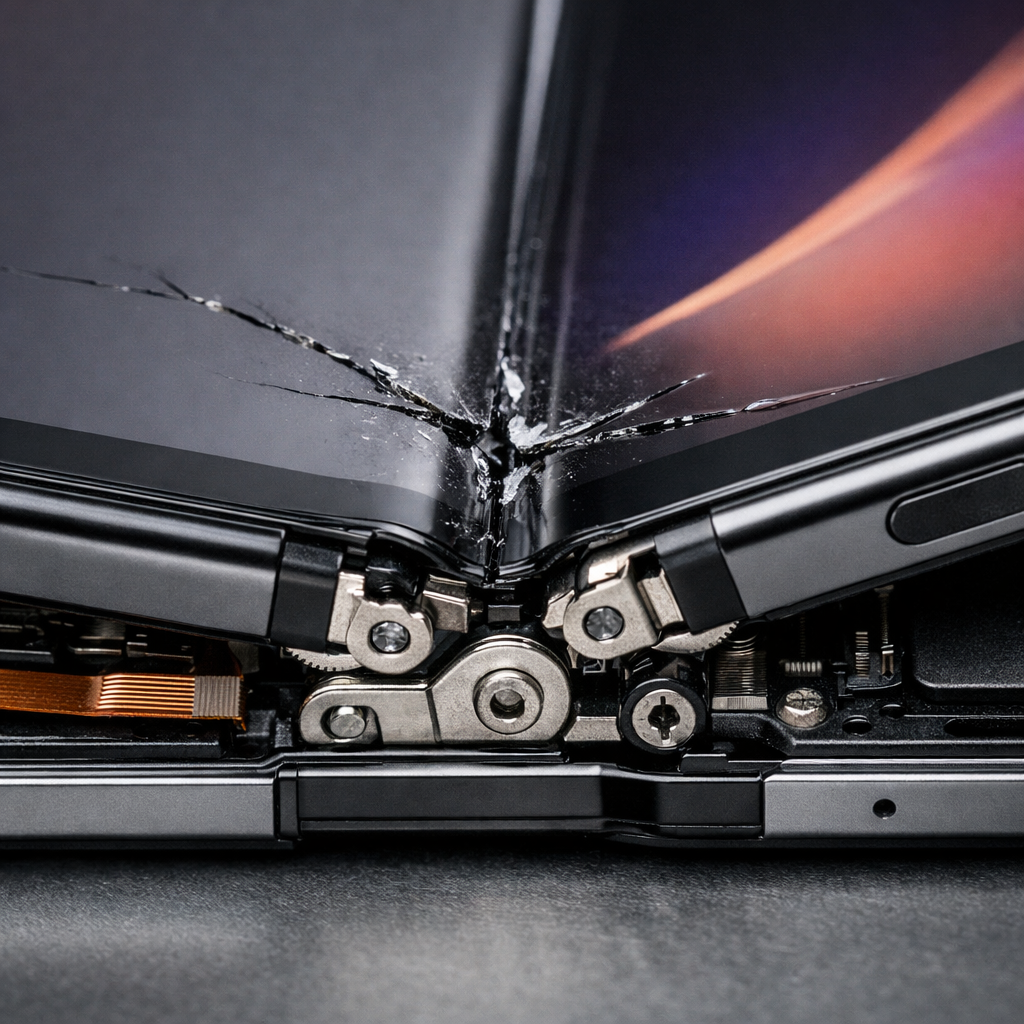
Apple is facing accusations that it pressured Fine M-Tec, a supplier for the new iPhone Duo, into pulling a public safety statement about display cracking issues tied to some units. The Korean company, which manufactures internal metal support plates for the folding screen, initially released a post denying its components were defected. That statement has since been removed, sparking questions about Apple’s influence.
The Timeline: Denial, Removal, and Accusations
On October 26, Fine M-Tec published a message on its website saying that although reports were circulating of display failures, the company’s supplied parts were not to blame. The announcement also claimed the statement was meant to counter rumors—allegedly spread by short sellers—and warned of legal action against parties spreading unproven defects.
Just over one week into November, the statement disappeared from Fine M-Tec’s site. Soon after, local sources in South Korea reported that Apple pushed the supplier to retract it. Fine M-Tec also reportedly reached out to a writer, requesting that a past article covering the removed statement be taken down. The representative attributed this request to Apple raising objections to the supplier publicly rejecting involvement in the display damage.
Apple’s Response and Remaining Questions
Apple has acknowledged that a small number of iPhone Duo units have experienced display cracks and has offered replacements. What the company has avoided doing is disclosing a technical breakdown of what exactly is causing the failures. Meanwhile, there has been no public comment from Apple on the specific allegation that it forced the supplier to delete its statement.
The issue itself has become a flashpoint for early owners, who first reported hinge-related screen cracking shortly after the iPhone Duo’s launch. Most visible damage appears along the hinge crease, often starting with bright pixel lines across affected units. Apple has officially confirmed cracks in some devices—but so far with limited detail.
Fine M-Tec’s role as the supplier had already been known, but its public involvement—first defending its parts, then retracting the defense—draws attention to the potential pressures faced by parts vendors in high-stakes product controversies. Whether the pullback was due to Apple’s influence, legal concerns, or simply miscommunication remains unverified.
The supplier’s original statement neither named Apple nor explicitly said “iPhone Duo,” but it clearly referenced “new product quality issue” reports—and rejected the idea that its supplied parts were the cause of damage. The timing of the removal, about a week after the statement’s publication, has fueled speculation.
Why It Matters
Supply chain transparency is under increasing scrutiny as consumers and regulators expect deeper accountability from major tech brands—particularly when new devices break under minimal use. If suppliers are being silenced, either legally or through pressure, it raises concerns about how much customers are told about what can go wrong.
For Apple, the saga poses risks beyond technical fix-ups. Perceptions of withholding information—especially amid quality concerns like the so-called “Crackgate”—could undermine trust, prompt regulatory attention, or even lead to legal complications depending on jurisdiction. As the iPhone Duo continues to roll out, the company will be watching how it handles public communication and transparency.
What to Watch Next
Observers will be looking for an official statement from Apple regarding the allegation of pressuring Fine M-Tec, especially in legal or regulatory filings. It will also be important to see whether Apple releases a detailed technical explanation for the cracking—whether it is hinge stress related, material fatigue, structural design, or something unexpected. How Fine M-Tec handles its relationship with Apple going forward may also shed light on supplier autonomy in such cases.
Ultimately, the episode may set precedent for how much voice suppliers have around quality issues in consumer electronics—and how much disclosure consumers can rely on.