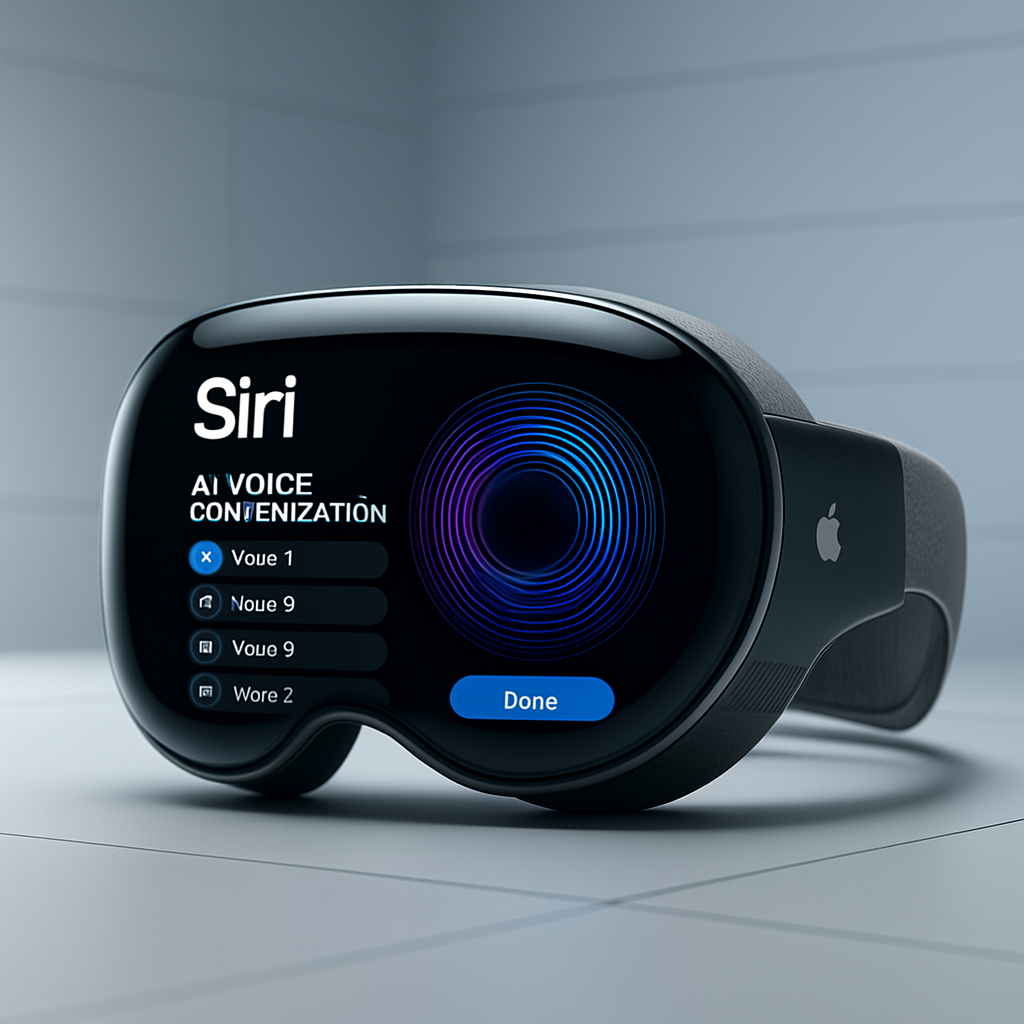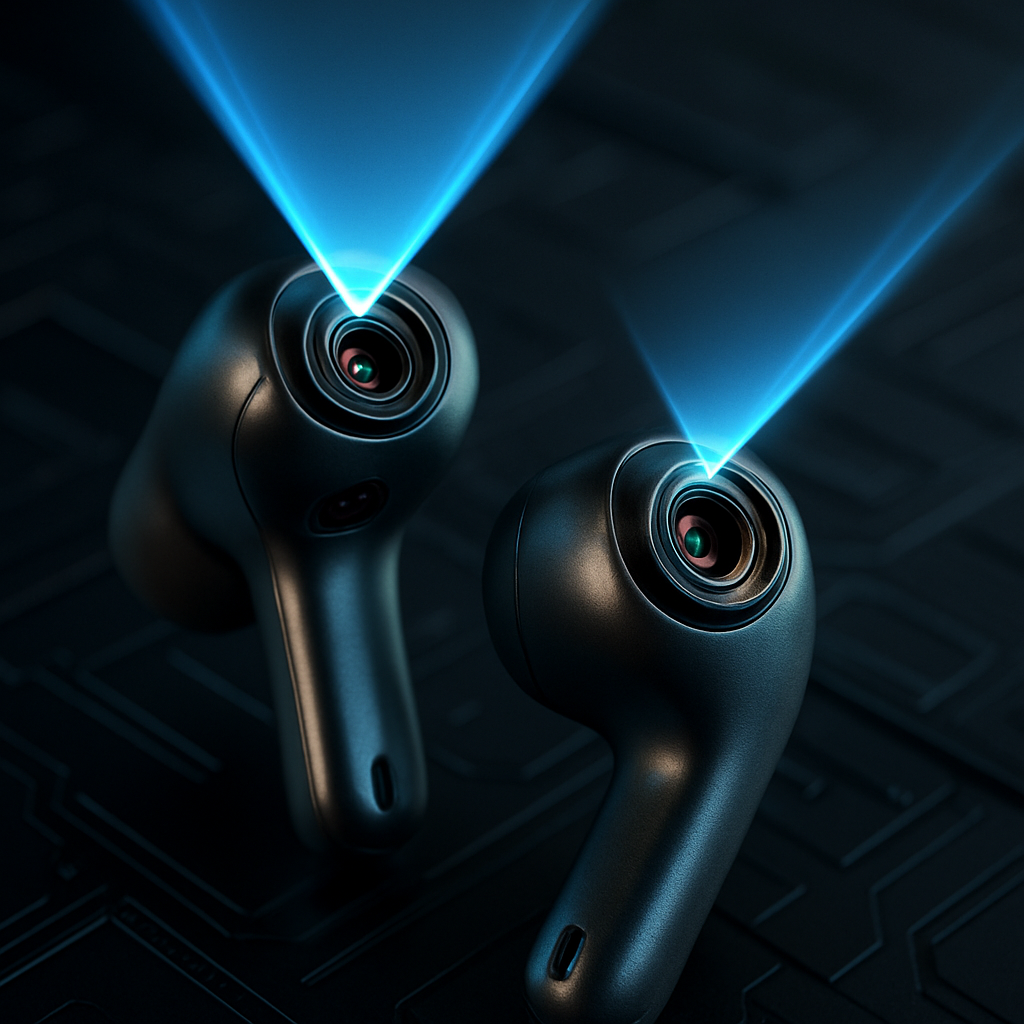
Apple is testing AirPods with integrated cameras that could significantly enhance spatial audio head tracking. Analysis of macOS Tahoe 26.7 beta code shows the new AirPods may detect precisely which screen a user is looking at—whether a laptop, TV, tablet, or smartphone—and adjust audio accordingly. The feature would overlay camera input with current motion sensors to refine where the sound should come from.
How Screen Detection Could Work
The proposed system would use the camera inside the AirPods to identify visible screens and determine which one the wearer is facing. The firmware suggests it could recognize multiple displays and automatically focus spatial audio on just the screen in view. The detection process would operate seamlessly in the background and might even pause when the user is moving, to avoid misdirected audio cues.
Existing devices with Face ID already use front-facing sensors for head tracking. However, once these camera-equipped AirPods are active, they are expected to take priority over Face ID for determining where a user is looking. That suggests Apple intends the AirPods’ cameras to capture a wider or more accurate field of view than Face ID for spatial audio purposes.
Visual Intelligence & Timeline
The beta code also references a server-based visual reasoning feature, hinting at broader ‘Visual Intelligence’ integrations. According to the code, the AirPods would send what they see to Apple’s servers whenever such reasoning requests are made, enabling cloud-assisted image analysis. This ties into earlier rumors of Apple expanding its AI capabilities within wearables.
Multiple references to unreleased products in macOS Tahoe 26.7 align with past speculation about camera-equipped AirPods. While initial hopes aimed for a 2026 release, current information points to a fall 2027 launch. A product codename “B798” was linked to this project, which has reportedly been under development for several years.
What this could mean for users is more immersive and accurate spatial audio—particularly for people who switch between devices often. Screen detection would let audio experience keep up without manual adjustments. There’s potential for deeper AI-powered interaction through Visual Intelligence, too, though questions remain about privacy, latency, and how server-based processing will work. For now, these AirPods remain unreleased, but what the code suggests paints a picture of Apple’s next step in making audio experiences smarter and more intuitive.
In short, the integration of cameras in AirPods aims to elevate spatial audio head tracking by detecting which screen a wearer is focused on, prioritizing camera input over existing sensors, and leaning on cloud-based visual reasoning. Expect a preview of this era of smarter, screen-aware audio if the product launches next fall.