Apple’s Secret AI Overhaul: Inside the Meeting That Aimed to Revitalize Siri
In early 2025, Apple convened a confidential meeting among its top executives to confront escalating concerns about the company’s standing in the rapidly evolving field of artificial intelligence (AI). This strategic gathering was prompted by the underwhelming launch of Apple Intelligence, significant delays in the anticipated Siri enhancements, and the swift advancements made by competitors such as OpenAI, Google, Microsoft, Meta, and Anthropic.
The Catalyst for Change
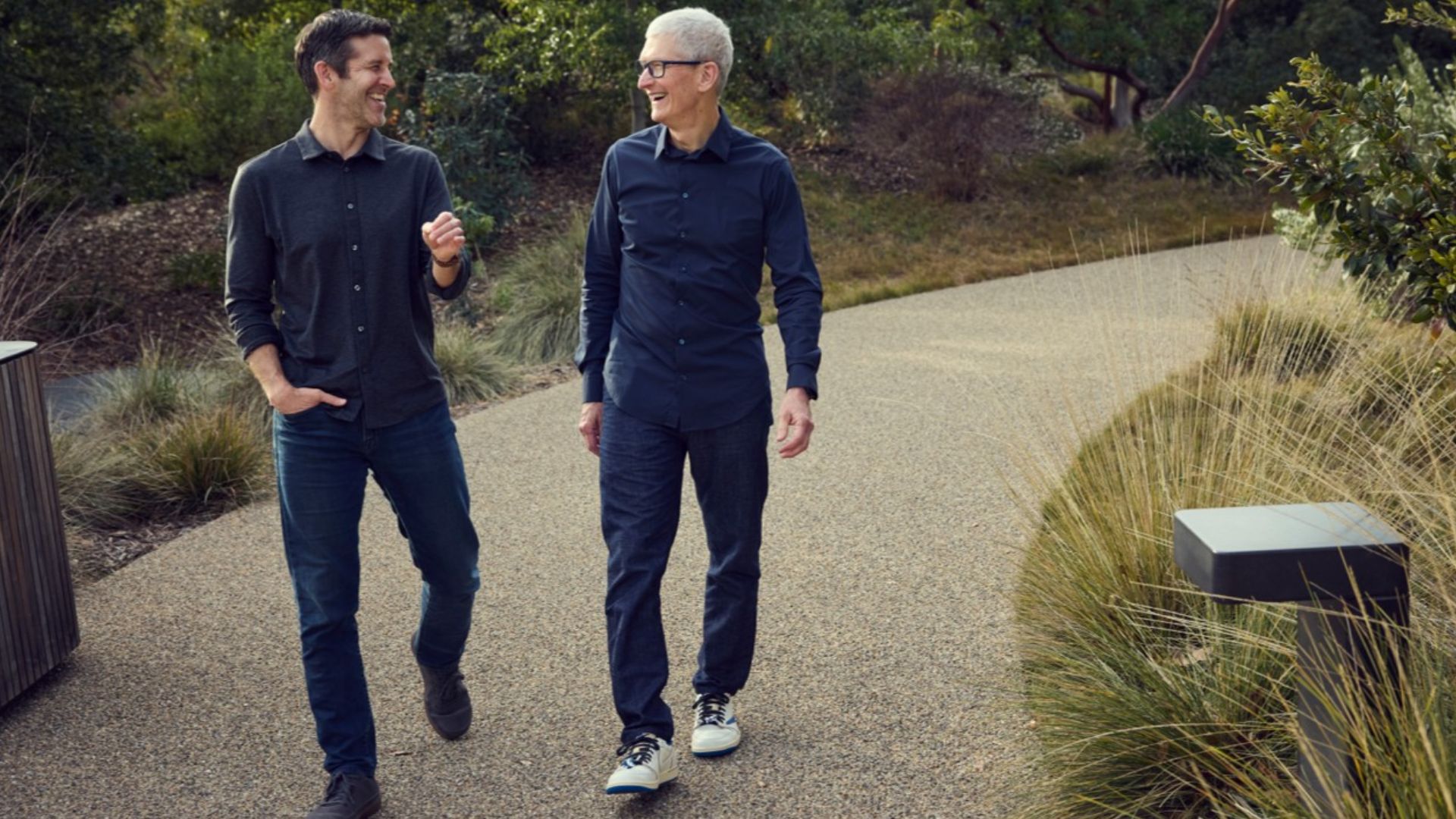
The internal deliberations underscored a pressing need for Apple to reassess its AI strategy. The consensus was clear: to maintain a competitive edge, the company required substantial leadership and structural reforms. This pivotal moment led to the appointment of Mike Rockwell, the visionary behind Vision Pro, to spearhead the Siri division. Concurrently, Craig Federighi, Apple’s Senior Vice President of Software Engineering, assumed a more prominent role in directing the company’s AI initiatives.
A Shift in AI Strategy
This internal restructuring signified a departure from Apple’s traditional approach. Historically, the company had been a trailblazer in technological innovation. However, the AI sector’s rapid progression highlighted areas where Apple was lagging. The decisions made during this critical meeting acknowledged that previous methodologies were insufficient in the face of evolving industry dynamics.
Anticipated Announcements at WWDC 2026
The outcomes of this strategic overhaul are poised to be showcased at the Worldwide Developers Conference (WWDC) 2026. Apple is expected to introduce a reimagined Siri, integrated with iOS 27, macOS 27, watchOS 27, and other software updates. Reports suggest that the new Siri will offer a more conversational experience, accompanied by a dedicated assistant application designed to rival contemporary AI chatbots.
The Significance of the Upcoming Reveal
These forthcoming announcements carry substantial weight, representing Apple’s inaugural major endeavor to reestablish its prominence in the AI domain following earlier setbacks. As CEO Tim Cook approaches the latter stages of his tenure, WWDC 2026 will serve as a critical juncture to assess whether Apple’s internal AI realignment is yielding the desired outcomes.
Broader Implications and Industry Context
Apple’s internal challenges in the AI arena are not isolated incidents but part of a broader narrative. The company has faced several hurdles, including:
– Global Outages of Apple Intelligence: In June 2025, users worldwide reported the disappearance of on-device AI features like Writing Tools and Visual Intelligence, reverting to the previous Siri interface. This disruption was attributed to a failed backend update, highlighting vulnerabilities in Apple’s hybrid update model that relies on both local processing and server-based updates.
– Delays in Siri Enhancements: As of May 2025, Apple was approaching WWDC without a functional, AI-upgraded Siri. This delay was a stark reflection of the company’s struggles to keep pace in the AI race, despite significant investments and high-profile hires.
– Cautious AI Responses: In October 2025, Apple’s Foundation AI model faced criticism for being overly cautious. A viral screenshot showed the AI refusing to generate a random number, citing potential misuse, which led to public ridicule and questions about the model’s practicality.
– Supply Chain Challenges: In January 2026, Apple encountered difficulties securing high-end glass cloth fiber, a critical component in chip substrates, due to increased demand from AI computing. This shortage underscored the broader impact of the AI surge on the electronics supply chain.
– Talent Exodus: Between July 2025 and January 2026, Apple experienced the departure of several key AI leaders to competitors like Meta and Google DeepMind. Notably, Ruoming Pang, who led Apple’s foundation models team, joined Meta’s Superintelligence Labs, signaling a competitive talent market in the AI sector.
Looking Ahead
Apple’s concerted efforts to revitalize its AI strategy reflect a recognition of the imperative to adapt and innovate continually. The forthcoming WWDC 2026 will be a litmus test for the effectiveness of these internal changes and will provide insights into Apple’s ability to reclaim its leadership position in the AI landscape.