Apple has reportedly approved the development of the iPhone Ultra 2, the anticipated successor to its inaugural foldable smartphone, even before the first-generation model’s official release. This decision underscores Apple’s commitment to the foldable device market, signaling confidence in the product line’s future.
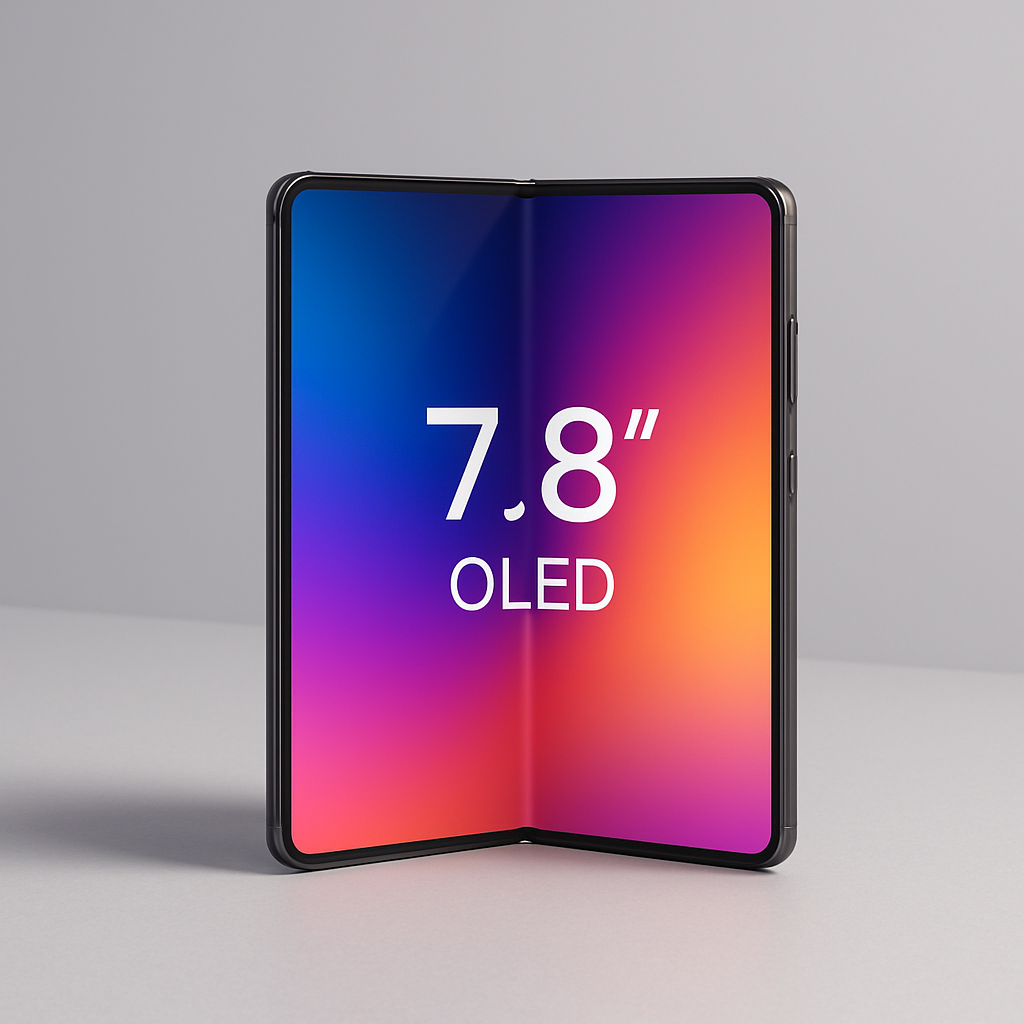
The initial iPhone Ultra is expected to feature a 7.8-inch foldable OLED display supplied by Samsung. This display incorporates a design that eliminates a traditional screen layer by integrating the color-filtering layer directly into the display stack. The result is a thinner, lighter, and more energy-efficient screen. The forthcoming iPhone Ultra 2 is likely to utilize the same display technology, maintaining consistency in design and functionality.
In contrast, the future of the iPhone Air series appears less certain. The iPhone Air, introduced as an ultra-thin alternative to the standard iPhone lineup, has faced challenges in the market. Reports indicate that the device has struggled to meet sales expectations, leading to speculation about the viability of subsequent models. While some sources suggest that Apple may proceed with at least two generations of the iPhone Air regardless of sales performance, others indicate that the development of the iPhone Air 3 has not yet entered the prototype stage. The continuation of this product line may depend on the sales performance of the iPhone Air 2, which is expected to be released in the spring of 2027.
Apple’s approach to the iPhone Air series reflects a strategic departure from its traditional annual release cycle. The ‘Air’ branding is intended to signal that this model is not tied to yearly updates, providing Apple with the flexibility to innovate and adjust based on market response. This strategy mirrors the company’s handling of the iPhone SE, which also does not adhere to an annual release schedule.
The contrasting trajectories of the iPhone Ultra and iPhone Air lines highlight Apple’s adaptive strategy in response to market dynamics. The proactive development of the iPhone Ultra 2 suggests a strong commitment to the foldable device segment, anticipating consumer interest and technological advancements. Conversely, the cautious approach to the iPhone Air series indicates a more measured strategy, likely influenced by sales performance and market reception. As Apple continues to navigate these product lines, it will be essential to monitor how consumer preferences and technological innovations shape the company’s offerings in the competitive smartphone market.