Anthropic has announced the integration of invisible watermarks and digitally signed metadata into content generated by its Claude AI models. This initiative aligns with the company’s commitment to the European Union’s AI Act, specifically Article 50(2), which emphasizes transparency in AI-generated content.
The primary objective of this system is to enable users to identify content that has been produced or modified by Claude. Starting August 2, 2026, all Claude models launched in the European Union will incorporate machine-readable markings from their inception. Notably, Anthropic plans to implement this marking system on a global scale, encompassing various platforms such as the Claude website, API platform, Claude Code, Claude Cowork, Claude Tag, and associated cloud-based services.
Dual Marking Methods
Anthropic’s marking system employs two distinct methods:
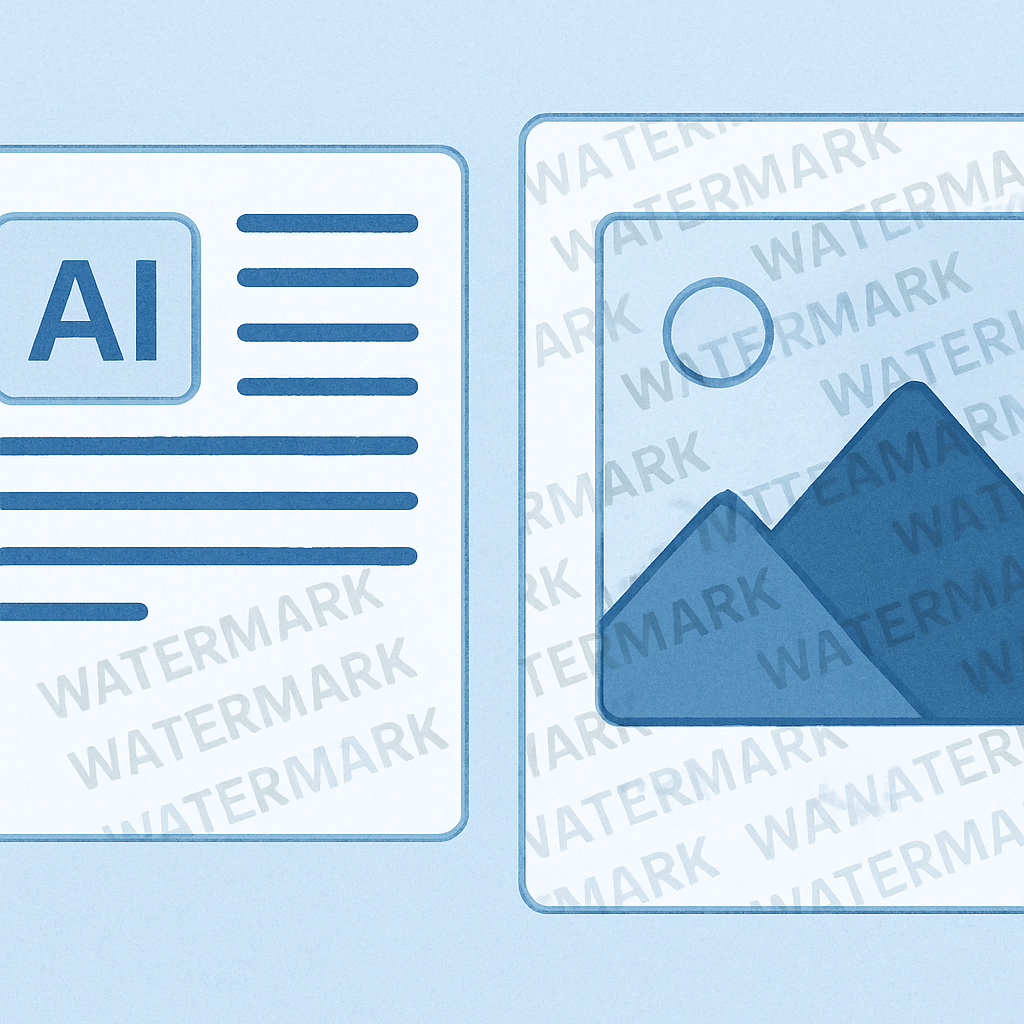
- Invisible Text Watermarks: Embedded directly into AI-generated text, these watermarks are imperceptible to readers and do not compromise the content’s meaning, quality, style, or readability. By integrating the watermark within the model’s output, it remains detectable even when users copy and paste the text into different documents, websites, emails, or applications. However, extensive modifications such as rewriting, paraphrasing, translation, or blending with human-authored content may diminish or eliminate the watermark’s detectability.
- Digitally Signed Provenance Metadata: For supported file formats like .svg, .png, and .jpg, Claude will attach metadata adhering to the Coalition for Content Provenance and Authenticity (C2PA) open standard. This metadata provides verifiable information about the content’s origin and any modifications. A valid, signed label indicates that Claude has processed the file and can reveal if the metadata has been altered. Nonetheless, this metadata can be removed or altered through file conversions, resaving, editing with unsupported tools, or capturing screenshots. Additionally, some cloud platforms or file-processing features may not support signed metadata.
Anthropic has clarified that text watermarks will also be present when accessing Claude models via AWS, Google Cloud, or Microsoft Foundry. However, the implementation of file provenance metadata may vary across these platforms due to differing product features and file-handling capabilities.
Detection Tools and Developer Guidance
To facilitate the identification of watermarked content, Anthropic is developing tools that will enable users and third parties to detect Claude’s watermarks and provenance information. A successful detection would suggest that Claude may have processed the content, though it does not confirm Claude as the original author, as users can input human-created content for Claude to summarize, edit, translate, or proofread. Conversely, the absence of a watermark does not conclusively indicate human authorship, as older Claude models may lack marking support, short texts may be insufficient for reliable detection, and heavily edited outputs might lose the watermark signal.
During the transition period allowed under the EU AI Act, Anthropic is working to add marking support to models released before August 2, 2026. Developers utilizing Claude in their products are advised to assess their own transparency obligations under Article 50. Anthropic plans to provide more technical guidance on watermark detection, supported file types, and implementation details as the marking system becomes available.
By implementing these measures, Anthropic aims to enhance transparency and trust in AI-generated content, addressing growing concerns about the authenticity and origin of digital information. This proactive approach sets a precedent for the industry, emphasizing the importance of responsible AI development and deployment.