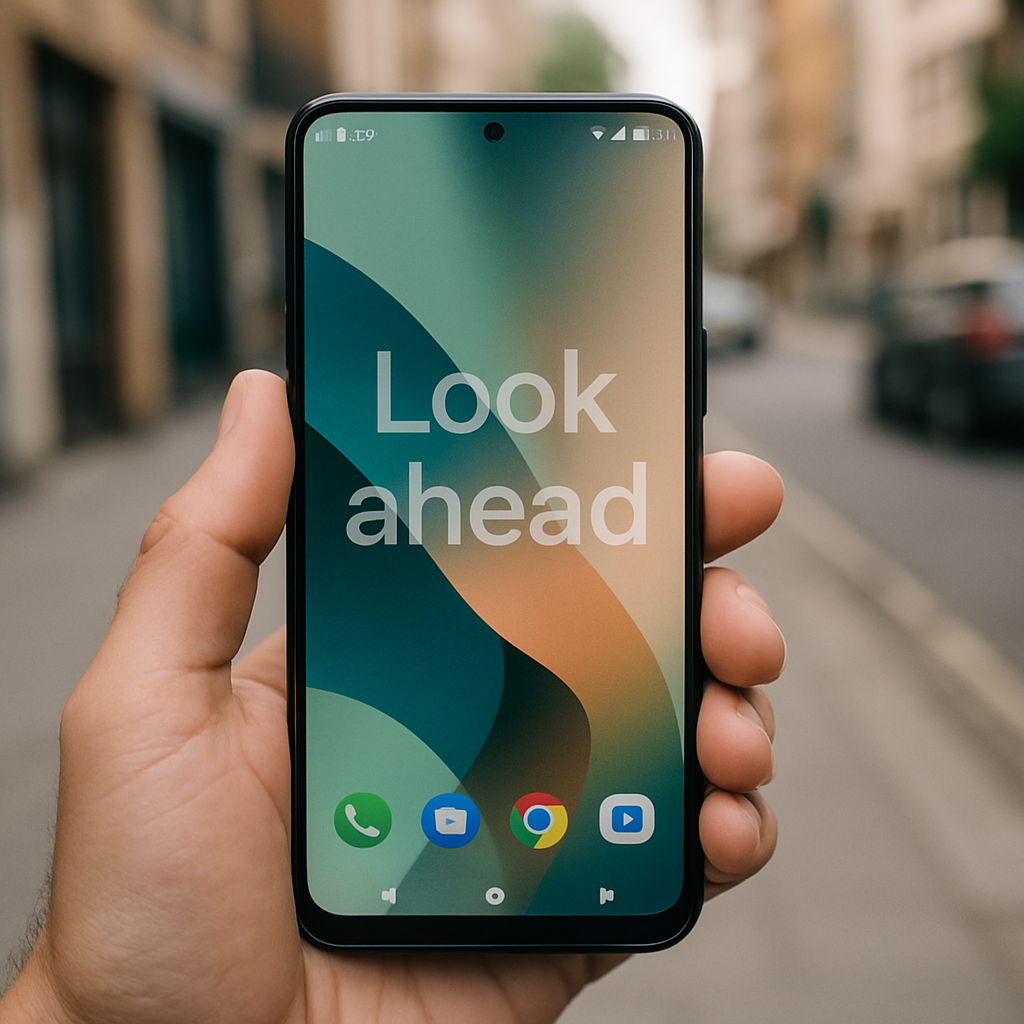
Android’s Digital Wellbeing suite may soon retire the “Heads Up” feature, designed to alert users not to use their phones while walking. First introduced in 2021, this tool triggers warnings like “Look ahead” or “Watch your step” when the system detects phone usage during ambulation. It was offered as an opt-in setting to promote safer mobile habits.
In the latest beta—version 1.48.975819457—the app’s codebase reveals strings indicating that “Heads up” is being deprecated. A specific string warns that walking detection is “going away soon.” Users running this beta build may already see references to deprecation, though the feature remains active for now.
What this change suggests
The deprecation hints that Google plans to remove “Heads Up” in a future update. Since the shift appears only in beta code, it’s likely not imminent, but users should prepare. No explanation has been shared publicly to justify the removal—possible reasons include low usage, the maintenance burden, or redundancy with other safety and awareness tools included with Android. There’s also no indication yet of a replacement or alternative.
Context and significance
Digital Wellbeing has long aimed to help users foster healthier tech habits—ranging from screen time limits to bedtime reminders. “Heads Up” stood out by targeting a specific safety risk: distraction while walking. Removing it could nullify one of Digital Wellbeing’s more proactive safety measures. If the feature disappears, users relying on it will need to find third-party apps or manually limit smartphone interaction while on the move.
For Android users, the removal underscores a common pattern: experimental or specialized features may not survive beyond their initial run, even if useful. We’ve seen similar pruning before when usage fails to meet expectations or when features overlap with system-level tools.
What to watch next: keep an eye on changelog updates for the Digital Wellbeing app beyond v1.48 beta to see if the deprecation notice is removed or clarified. Also monitor Google’s communications—if there’s a measured phase-out or a shift toward integrating walking alerts into broader safety features like location-based prompts or “safety status.”