Android gaming is entering a fresh bump in momentum. Long known for openness, indie potential, emulation, and deep customization, the platform has also grappled with drawbacks like OS and device fragmentation, which have historically pushed back on console-grade ports and turned away some developers.
That appears to be changing. Android is now seeing more official ports of high-profile console and PC games. Titles such as Dredge and Sifu are already live on Android, while others including Replaced, Absolum, and Dispatch are on the cusp of launch. Many of these adopt a “try-before-you-buy” approach to ease the resistance mobile users often have to upfront costs. Some games are even adapting their design for portrait mode, such as Dispatch, to better suit mobile-first habits.
Emulation and Compatibility Layers: Near-PC Power on Phones
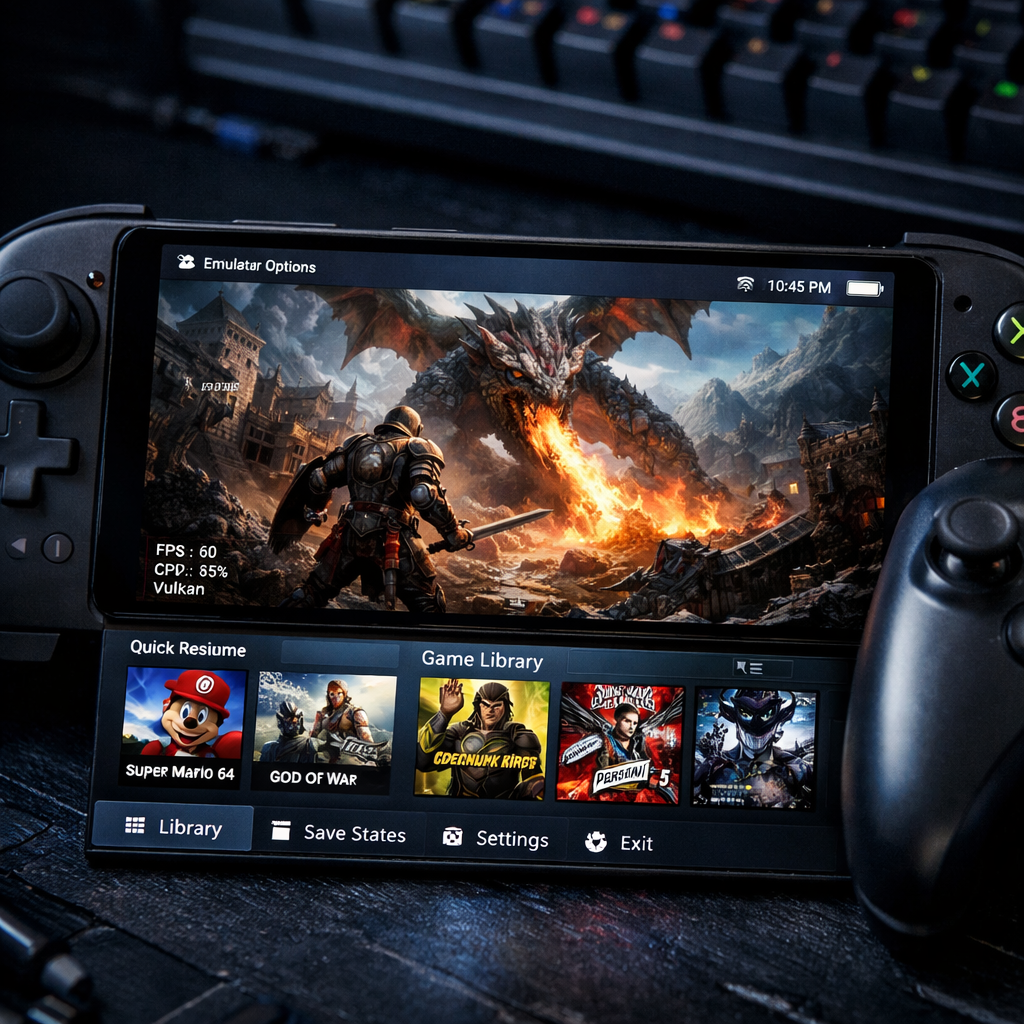
Meanwhile, the emulation scene has matured rapidly. Recent tools let users run Windows, PC, and Switch games on Android hardware with growing performance headroom. For example, WinNative mixes work from Winlator Bionic and Pluvia to bring Windows games to Android, while DroidDeck is building a SteamOS-like launcher that runs Windows titles via ARM64 Proton.
On specific hardware like the latest Qualcomm chip-powered phones, even demanding titles are playable—through compatibility layers like Proton or native branches such as nxnative, which enables running Switch and Switch 2 games like Super Mario Bros. Wonder or Metroid Dread at 60 FPS. A version of the upcoming Switch 2 console is also reportedly being ported to Android, indicating broadening horizons.
What’s Still TBD: Usability, Revenue & Legitimacy
The biggest open questions aren’t about whether Android devices are powerful enough—they already are—but whether players will tolerate technical friction. Emulation tools and compatibility layers still face bugs, control mismatches, and legality gray areas that could frustrate users and deter publishers.
Another crucial issue is monetization. Developers are testing various pricing models, especially to introduce premium and AAA games into Android’s ecosystem. But convincing both publishers and consumers to embrace paid games without sacrificing reach remains a delicate balance.
This moment marks more than just growth in Android gaming—it reflects a shift in what people expect from their mobile devices. Hardware is catching up to ambition, and older constraints like screen size, input limitations, and OS versions are being addressed.
Analytical Angle: Android’s current gaming renaissance isn’t just about porting popular titles or enhancing emulation—it signals a maturation of ecosystem expectations. As premium games go mobile in more meaningful ways, and compatibility tools reduce technical and legal friction, Android could begin closing the gap with consoles and PC in terms of user experience. Keep an eye on how this translates into consumer spending, regulatory responses, and whether the big publishers follow through on quality and support. The real test won’t be if Android can play PC games—it’s whether it can do so without reminding you that you’re on a phone.