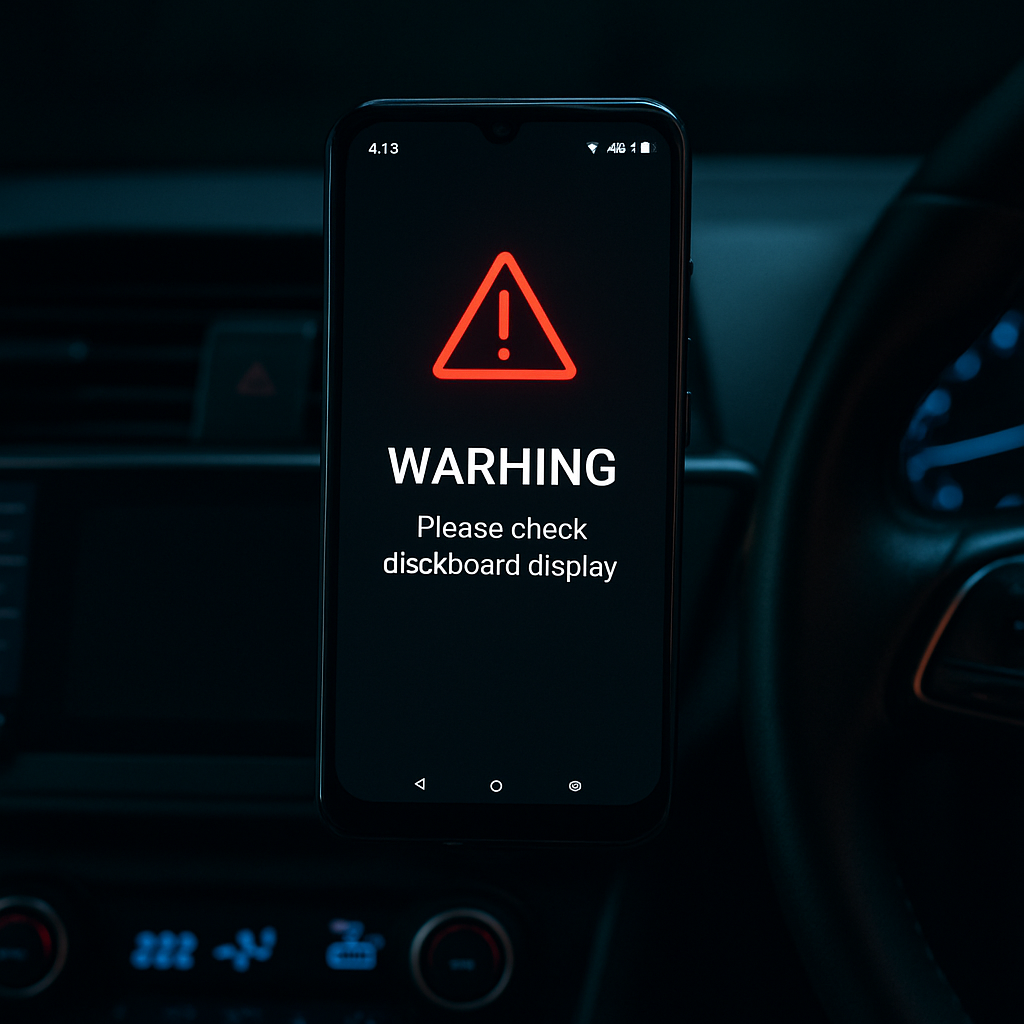
Android Auto appears to be tightening its device requirements. Users running Android 10 are reporting in-app notifications indicating that their phones will soon no longer be supported by the service. The message warns that Android Auto will “soon stop working on this phone,” though it doesn’t specify how or when the cutoff will take effect. Currently, the official guidelines require Android 11 for wireless Android Auto and Android 9 Pie (Android 9) for wired connections.
What’s Changing — And Why It Matters
Over the weekend, several Android 10 users reported that their devices—such as older models from Samsung and Sony—began receiving alerts notifying them of impending loss of support. These notices suggest that Google may be aligning the support threshold for both wired and wireless Android Auto to Android 11. That would officially retire wired support for Android 9 devices and fully end compatibility for Android 10.
The timing is particularly inconvenient for those who still own flagship phones from recent generations—like the Galaxy Note 9, Galaxy S9, or Xperia XZ2 Compact—which were highly capable at launch but have since aged into Android 10 territory. With smartphone prices climbing, upgrading hardware isn’t always trivial, and losing Android Auto functionality adds to the pressure to replace aging phones sooner.
What Users Can Do
If your phone is impacted by these changes and Android Auto is essential to your driving experience, upgrading to a device with Android 11 or newer is likely to be necessary. While some users may still be using Android 9 with wired setups, reports haven’t indicated yet that wired Android Auto will lose support first—though that’s the logical next step if Google unifies the minimum version.
Google has not yet updated its official Android Auto support page to reflect any change in minimum OS versions. There’s also no publicly confirmed timeline for when support for Android 10 phones might actually end. We’ve reached out for comment and will update when more information is available.
These kinds of cutoff decisions are common as services evolve—each new Android release brings improved security and new APIs that older versions can’t support. Still, for users with phones just a few generations old, this move could be a significant inconvenience, particularly for those who rely on Android Auto everyday and don’t plan to upgrade immediately.
What this means: Google may be consolidating its Android Auto requirements around Android 11, effectively dropping devices running Android 9 or 10. If you depend on Android Auto, check whether your phone is eligible now—and if not, consider an upgrade soon. Watch for official guidance to clarify when the transition will take place.