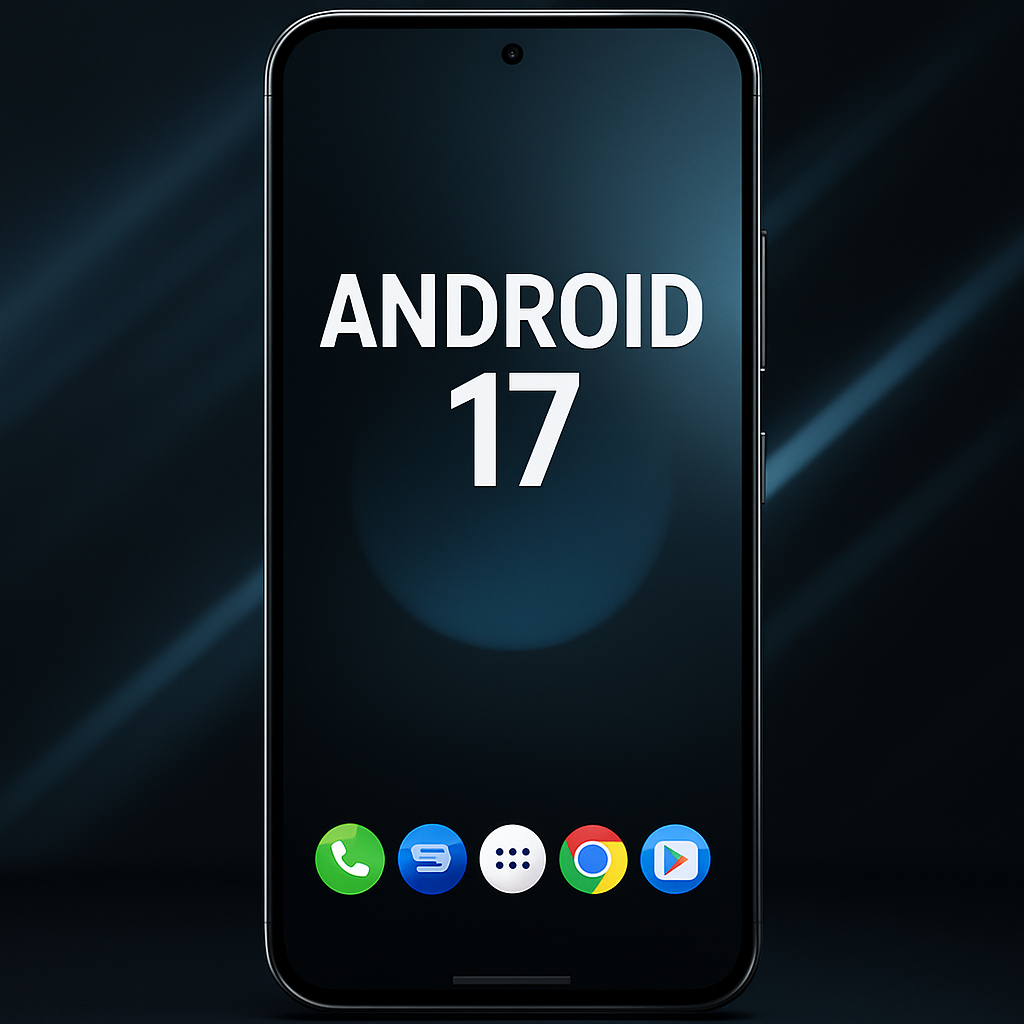
Google has officially released Android 17, introducing a suite of enhancements aimed at improving multitasking and integrating advanced AI capabilities through its Gemini platform. This update is initially available on Google’s Pixel devices, accompanied by a Pixel Drop that brings additional features to the ecosystem.
Enhanced Multitasking with the Bubble Bar
A standout feature in Android 17 is the introduction of the “bubble bar,” a user interface element designed to streamline multitasking. Positioned at the bottom of the screen, the bubble bar allows users to organize, move, and quickly access recent apps represented as bubbles. This innovation aims to expedite app interactions and facilitate seamless multi-app workflows, catering to users who frequently switch between applications.
Advancements in AI Integration
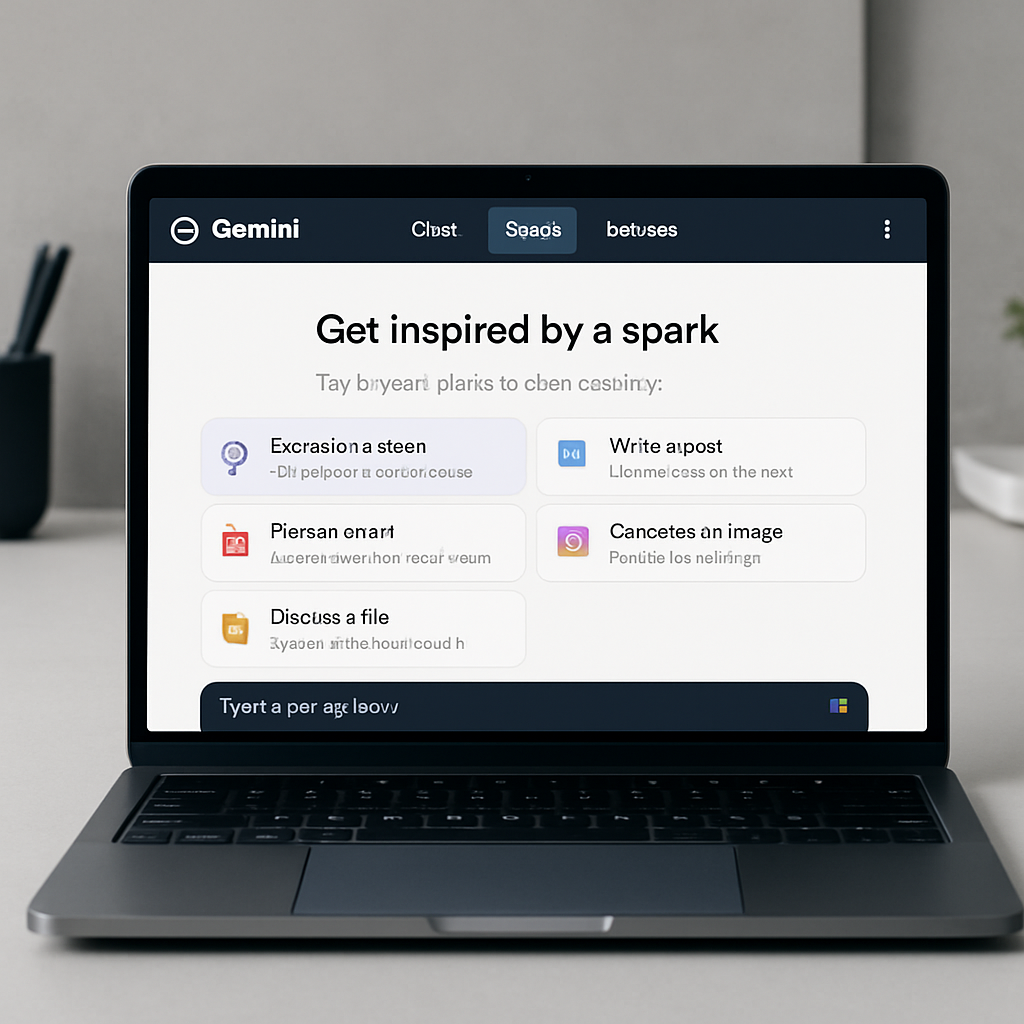
Android 17 underscores Google’s commitment to embedding advanced AI functionalities into its operating system. The update integrates support for the latest AI models, including the music generation model Lyria 3, the multimodal Gemini Omni, and enhanced speech-to-translation tools powered by AudioLM. These integrations are designed to enhance user experiences in creation, communication, and device interaction.
As part of the Pixel Drop, the Gemini Omni model now enables users to edit videos directly within conversations, offering a more interactive and efficient editing process. Additionally, Lyria 3 allows users to generate music tracks using text prompts or images within the Gemini app, expanding creative possibilities. Pixel 10a devices benefit from improved speech-to-speech translation capabilities, facilitating more accurate and natural translations.
Additional Features and Enhancements
Beyond AI and multitasking improvements, Android 17 introduces several other notable features:
- Personalized Outgoing Audio Messages: Users can now record custom audio messages for callers when unable to answer, adding a personal touch to missed calls.
- Expanded “Take a Message” Feature: This functionality is now available in more global markets, allowing callers to leave messages when the recipient is unavailable.
- Emergency Detection on Pixel Watch: The Google Pixel Watch gains the ability to detect emergencies such as car crashes, falls, or lack of pulse. In such events, it automatically contacts emergency services and designated emergency contacts, enhancing user safety.
- Screen Reaction Videos: Social media enthusiasts can utilize a new feature that records simultaneous footage from the selfie camera and phone screen, enabling the creation of screen reaction videos suitable for platforms like TikTok, YouTube, and Instagram.
- Parental Controls and Security Enhancements: The update introduces a “Mark as Lost” feature in Find Hub, Live Threat Detection, and additional threat defenses. Parental controls now include screen time limits and content filtering tools that can be set with a PIN without requiring a linked Google account.
- Foldable Gaming Mode: A new gaming mode for foldable devices offers a 50/50 layout with a dynamic gamepad, optimizing the gaming experience on foldable screens.
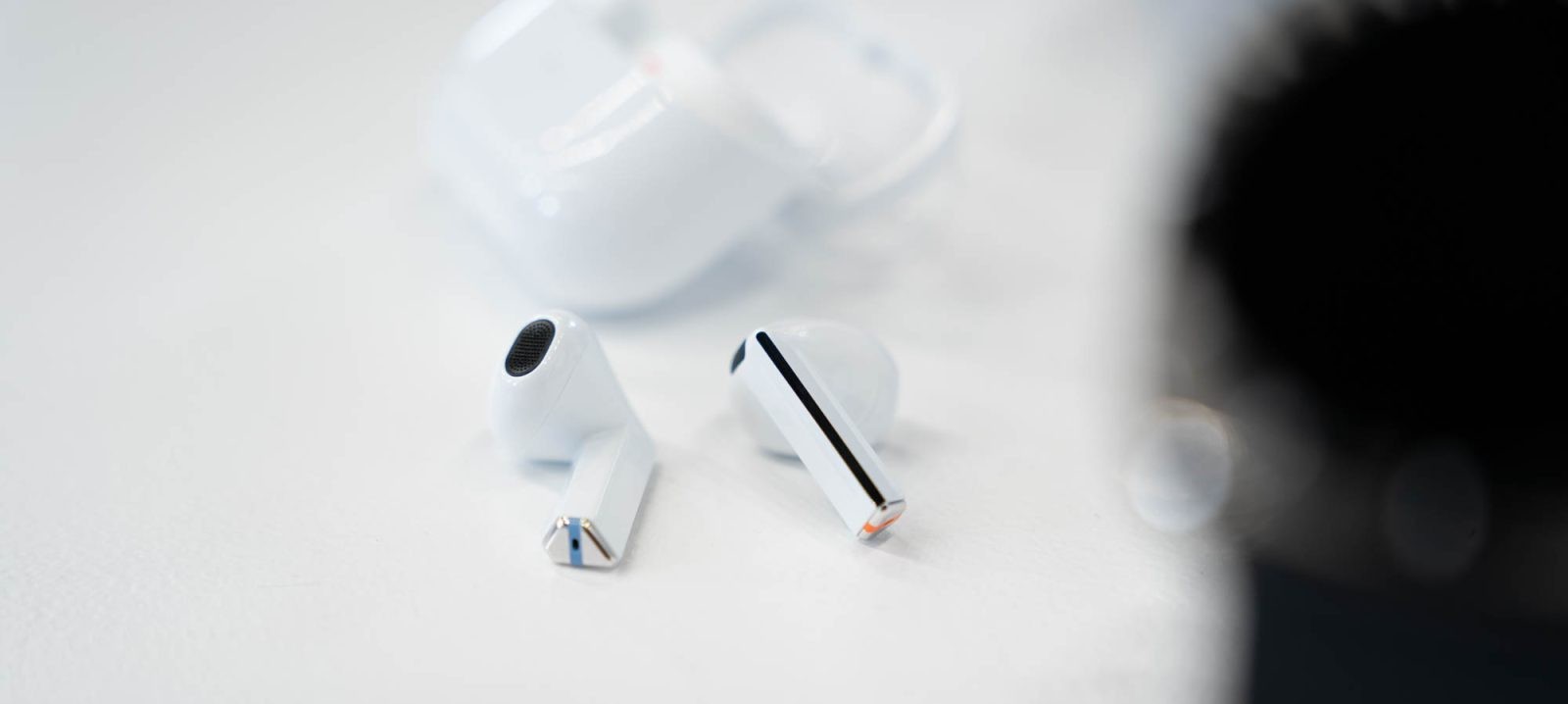
Furthermore, smartwatch users will experience improved integration, with live updates from phone apps mirroring to the Pixel Watch. Wear OS is set to introduce more Gemini Intelligence features, such as tools for creating personalized widgets through descriptive commands, and offering “Personal Intelligence” by connecting with other hardware like Google’s upcoming AI glasses and headphones.
Android 17’s release signifies a significant step in Google’s strategy to integrate advanced AI capabilities into its operating system, enhancing user experiences across multitasking, communication, and creative endeavors. As these features roll out, users can anticipate a more intuitive and interconnected digital environment.