Amazon has launched a trio of new Alexa tablets designed to compete head-to-head with Apple’s iPad models. The lineup includes the Tablet 8, Tablet 11, and Tablet 12 Pro, priced from $229.99 for the entry model. Preorders opened October 8, with U.S. shipments starting October 14, and availability expanding to Canada, Mexico, and European nations soon after. Highlights include built-in AI assistant features, upgraded displays, and hardware changes intended to close the gap with Apple’s premium offerings.
Three Models, Three Price Classes
The smallest and most affordable, the Tablet 8, starts at $229.99 for the 64 GB version and rises to $279.99 for 128 GB. It features an 8.7-inch display enclosed in a lightweight aluminum body weighing about 329 grams, along with 4 GB of RAM, an eight-core processor, and Wi-Fi 6 wireless. Battery life reaches around 14 hours for video playback, with dual speakers supporting Dolby Atmos, and color options including Graphite, Rosette, and Teal.
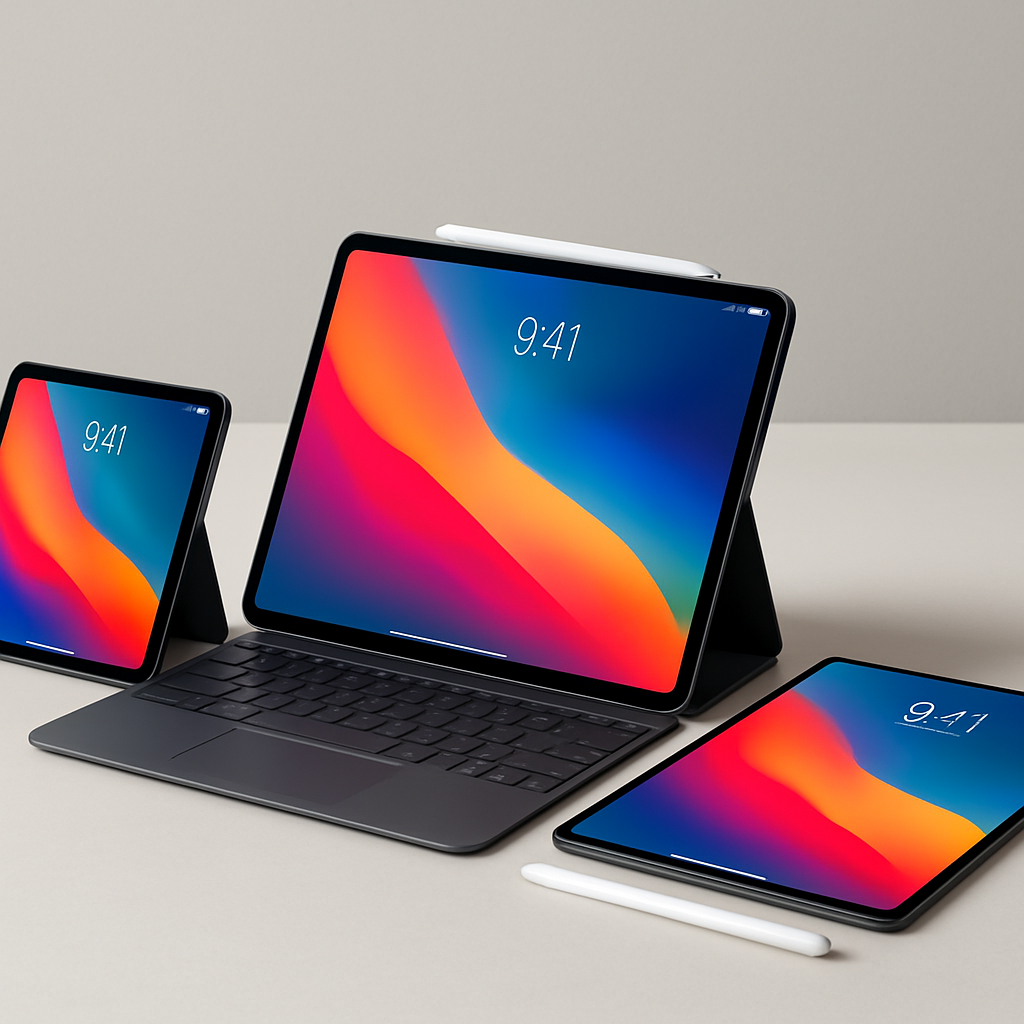
The Tablet 11 steps up to an 11-inch 2.5K screen with a 90 Hz refresh rate. It includes 8 GB RAM, base storage of 64 GB (128 GB option available), and the same eight-core processor found in the smaller model. Audio comes via dual speakers with Atmos support. It also supports an optional stylus ($59.99) and keyboard case ($79.99). Color finishes for this mid-tier model are Graphite, Amethyst, and Matcha.
At the top, the Tablet 12 Pro starts at $499.99 for its 8 GB/128 GB configuration and can be upgraded. It features a 12-inch 2.8K panel with a 3:2 aspect ratio, a 120 Hz refresh rate, and a 4-nm processor. Other upgrades include Wi-Fi 6E, quad speakers with Dolby Atmos, and up to 16 hours of video playback. A premium Nanomatte version with anti-glare glass brings prices up to $549.99 and higher for boosted storage and RAM versions. Accessories such as a magnetic Pro Keyboard and Pro Pen are available, with the pen supporting 4,096 pressure levels, tilt sensitivity, and wireless charging.
What Sets Them Apart — And How They Match Up to iPad
Amazon has swapped out Fire OS in favor of Android with full Google Play Store access. That means apps like YouTube, Netflix, Gmail, Google Docs are ready out-of-the-box, skipping past previous workarounds. The tablets also feature “Alexa+,” which lets users summon Alexa from any app or via voice, with an on-screen button alternative. A new On-Screen Intelligence feature lets Alexa interact with what’s on display — for instance, comparing products during browsing or adding schedule items to calendars based on content detected on screen. Screen-access features are off by default with visible indicators when active. Kindle users get a special mode that reduces blue light, offers reading themes, silences notifications, and can deliver around 20 hours of battery life in that mode.
In terms of competition with Apple, the Amazon Tablet 8 aims at the iPad mini, offering a slightly larger screen and significantly lower price. The Tablet 11 undercuts the standard 10-11-inch iPad, thanks to its 90 Hz display and lower cost. Meanwhile, the Tablet 12 Pro appears to target the iPad Air rather than the higher-end iPad Pro, offering features like a 120 Hz screen and premium display options, while still remaining well below Apple Air’s base price. However, Apple’s iPads still lead in chip performance, premium accessory compatibility, and integration with the broader Apple ecosystem.
All new Alexa tablets start shipping October 14 in the U.S., Canada, and Mexico. Shipments to the U.K., Germany, France, Italy, and Spain begin October 19. Amazon’s entry-level models include sponsored lock-screen ads unless users pay extra to remove them.
This development marks a shift in the tablet market. Amazon has long offered budget-friendly Fire tablets, but these new Alexa tablets push directly into premium territory. With Android and Google apps onboard, improved displays, and AI-centric features, they pose a real challenge to Apple’s dominance in mid-range and consumer tablets. What to watch: how well Amazon delivers on performance under load, how deep the Google services integration goes in practice, and how Apple may respond on price, features, or strategy.