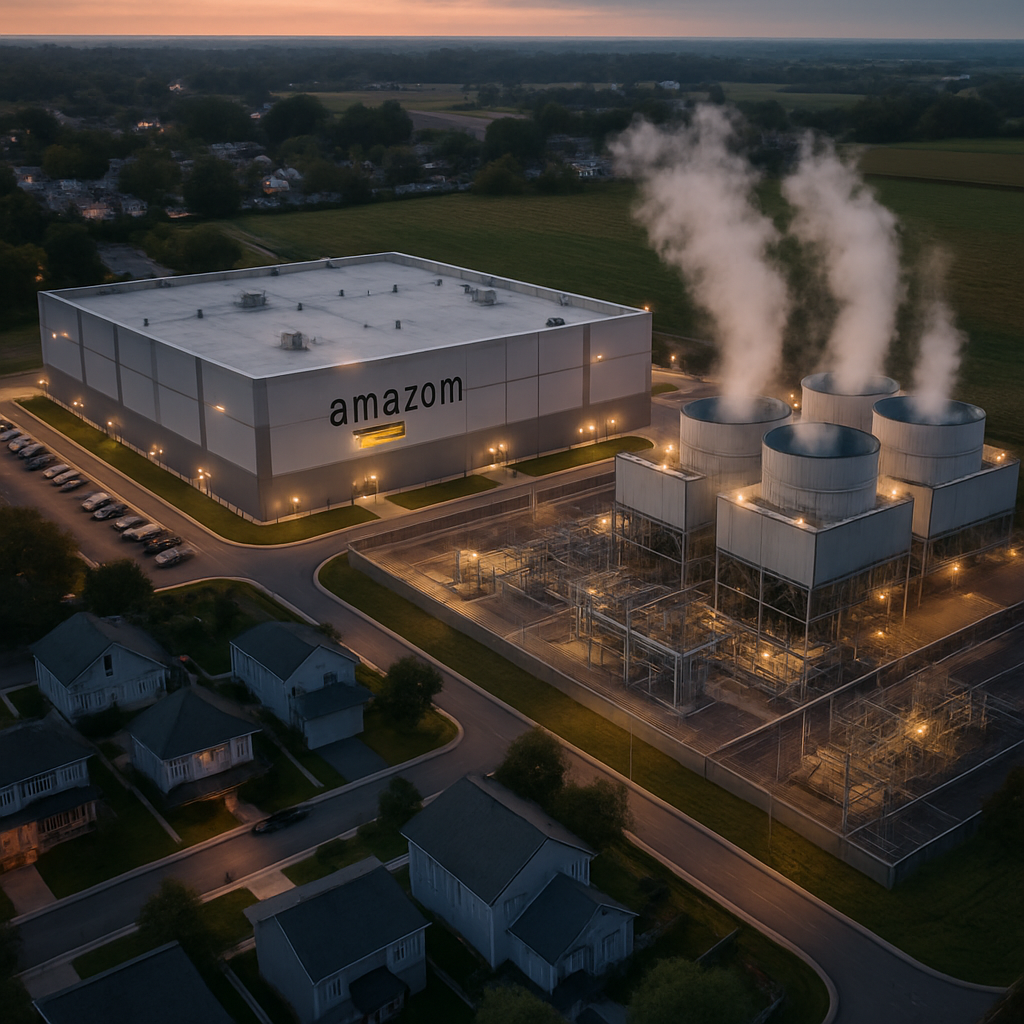
Amazon Web Services has formally abandoned its practice of using nondisclosure agreements (NDAs) with government agencies in its data center approval process. The move comes amid mounting public backlash against data center projects for their perceived secrecy and environmental impact.
What sparked the change
The shift follows criticism from communities and environmental advocates that Amazon and other companies often keep data center plans under wraps until required permits are secured. NDAs have been cited as a barrier to transparency, keeping neighbors and officials uninformed about development plans. In response, Amazon’s AWS CEO publicly stated the company would no longer demand NDAs in dealings with government bodies related to its data center projects.
Amazon’s broader defense
Alongside dropping NDAs, Amazon addressed several widespread concerns. The company emphasized that its direct water usage in U.S. data centers accounts for just 0.5% of all industrial water consumption—far less than agriculture or golf courses. It also acknowledged that rising electricity prices are a mixed bag: in some states energy costs tied to data centers have increased, while in others rates are holding steady or growing more slowly. Amazon argues that many of the price hikes stem from antiquated grid infrastructure, not solely from new computing facilities.
On emissions, Amazon highlighted that generators in its data centers are largely unused—run only around 10 hours per year, generally for maintenance—despite permits allowing much higher levels of carbon dioxide output. To show community benefit, Amazon detailed that over the past three years it has invested in excess of $1 billion in U.S. communities hosting data centers.
The backdrop of protests and scrutiny
The NDA policy change comes as more than 100 data center moratoriums are being considered across the U.S. One state has already instated a one-year permit freeze on large data center projects. Prominent voices, including environmental activists, continue to flag transparency as a top concern.
Amazon’s CEO framed the debate around data centers as one with long-term stakes. He urged that restrictive policies risk sidelining the United States in a global competition for cloud infrastructure and AI leadership. He asserted that data centers bring not just economic value but also tangible community benefits, beyond the concerns about power costs or environmental footprint.
Still, skepticism remains high. Critics—including leaders in the AI sector—argue that trust has been eroded. Public faith in tech firms’ assurances is fragile, and some observers say Amazon’s steps, while meaningful, may not be enough to satisfy demands for accountability.
Going forward, what matters is whether this policy shift—no NDAs, more community investment, and clearer data—can be backed up with consistent, verifiable action. The extent to which local U.S. governments and affected residents buy in will be the real test of whether Amazon’s response turns criticism into collaboration.