In recent years, the landscape of software supply chain security has undergone significant transformations, particularly with the integration of artificial intelligence (AI) into development pipelines. Traditionally, securing the software supply chain focused on understanding the components within the code—identifying open-source packages, their versions, and dependencies. However, incidents like SolarWinds, Log4Shell, and XZ Utils have highlighted that vulnerabilities often reside not just in the code itself but in the processes and tools that produce it.
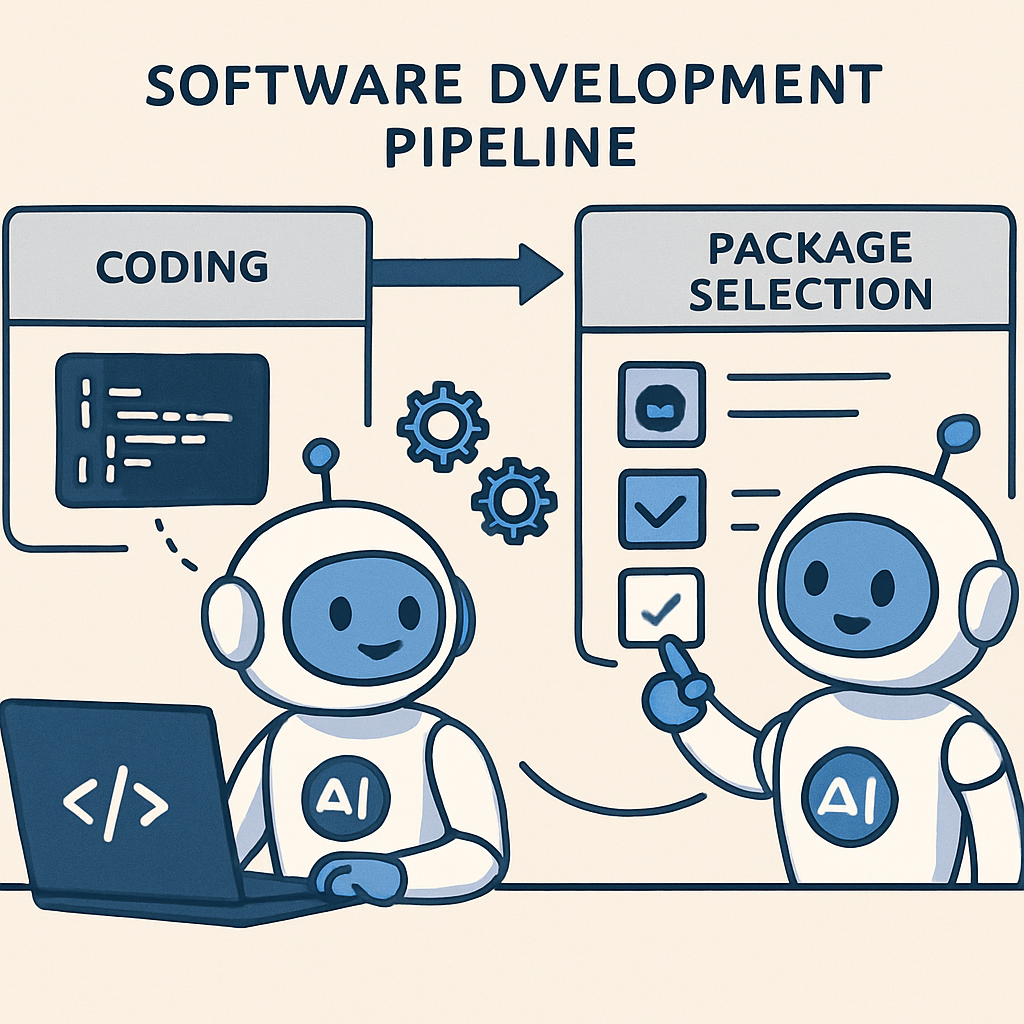
The emergence of AI in software development has introduced new complexities. With the advent of protocols like the Model Context Protocol (MCP), AI tools and models have become integral to how software is built, deployed, and operated. AI agents now write code, autonomously select and integrate packages, and respond to prompts that can influence the build process. This evolution has expanded the attack surface, as these AI-driven components were not originally considered in traditional security frameworks.
Shifting Risk Dynamics
Addressing AI-generated code as merely additional code to be scanned overlooks the broader shift in risk. The critical question of provenance—determining the origin and trustworthiness of code—now extends beyond the code itself to include the models, agents, and tools involved in its creation. For instance, when an AI coding assistant suggests a dependency, a developer might accept it without fully assessing its security implications. Similarly, autonomous agents may utilize tools via MCP, which in turn may invoke other tools, creating a complex web of interactions. Moreover, maliciously crafted prompts can manipulate AI models to produce or incorporate compromised code.
Therefore, while validating AI-generated code before commitment is essential, it is equally important to govern the agents responsible for writing the code and the tools they employ.
Adapting Security Programs to AI Integration
Security teams often face an overwhelming number of alerts and findings. Simply adding AI output to the existing scanning processes can exacerbate this overload without necessarily enhancing security. To effectively incorporate AI into security programs, two key changes are necessary:
- Extended Lineage Tracking: It is crucial to trace the lineage of all elements entering the development pipeline, including AI models and agents. This involves monitoring activities, provenance, and configuration changes from the initial commit through to runtime, applying the same level of scrutiny to AI components as to traditional dependencies.
- Prioritization Based on Exploitability: Security efforts should focus on vulnerabilities that are genuinely exploitable, rather than being driven by sheer volume. By correlating findings with runtime context and assessing actual reachability, teams can distinguish between theoretical vulnerabilities and those that present real threats. This approach is particularly important when AI agents can generate extensive amounts of code rapidly.
The recognition of these challenges has led to formal acknowledgments within the industry. For example, Gartner’s publication of the inaugural Magic Quadrant for Software Supply Chain Security signifies a market-wide acknowledgment of the need for systematic evaluation and management of these evolving risks.
As AI continues to reshape software development, it is imperative for organizations to adapt their security strategies accordingly. This includes extending security measures to encompass AI models and agents, and refining prioritization methods to focus on exploitable vulnerabilities. By doing so, organizations can better safeguard their software supply chains against emerging threats.