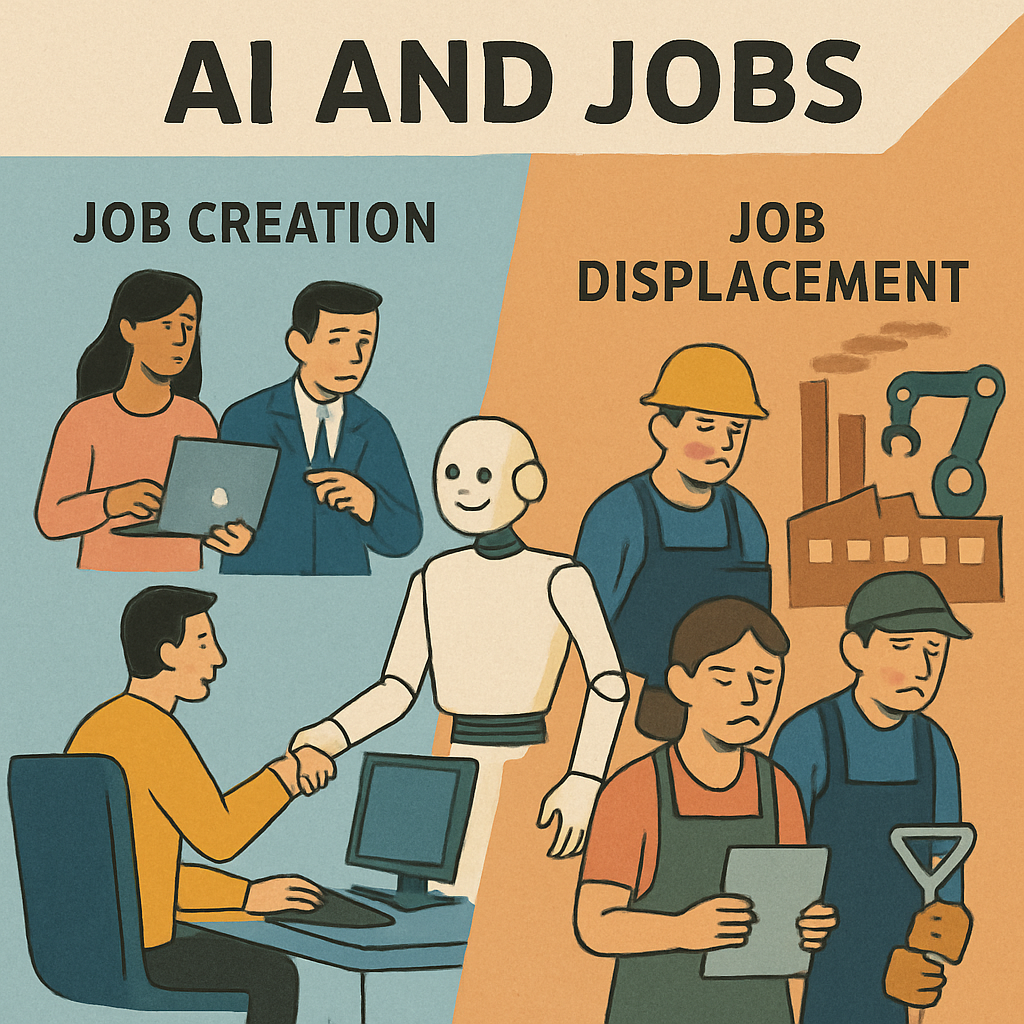
The integration of artificial intelligence (AI) into the workplace has sparked intense debate about its impact on employment. Recent data presents a multifaceted picture, challenging the prevailing narrative of widespread job displacement due to AI adoption.
According to a report by Ramp and Revelio Labs, companies that heavily invest in AI—referred to as “high-intensity adopters”—have experienced a 10.2% increase in overall headcount. These firms allocate approximately $30 per employee per month to AI technologies during the initial three months of adoption. Notably, this growth spans various functions, including engineering, sales, administration, customer service, finance, marketing, and scientific roles. The information sector, encompassing software, internet, media, and tech-related companies, has seen the most significant job growth among these adopters.
However, this data predominantly reflects tech-centric, knowledge-based firms, often backed by venture capital and already on a growth trajectory. This raises questions about whether AI investment directly drives employment growth or merely coincides with expansion in these rapidly growing companies. The report’s authors acknowledge that while their findings counter claims of broad job losses due to AI, they do not suggest that AI universally creates jobs.
Contrastingly, other studies indicate that AI has led to job reductions in certain sectors. Research from Goldman Sachs reveals that AI has resulted in the elimination of approximately 16,000 net jobs per month over the past year, disproportionately affecting Generation Z and entry-level workers. This suggests that while AI may contribute to job creation in some areas, it simultaneously leads to job losses in others.
For software and technology firms, AI can enhance core outputs such as coding, debugging, internal tool development, technical documentation, and product development. By reducing production costs in these areas, AI can increase the returns on expanding the entire firm, not just the engineering team. However, companies that engage in AI through subscriptions and pilot programs without making sustained investments do not typically experience headcount gains.
These findings highlight the nuanced impact of AI on employment. While AI adoption can drive job growth in certain sectors, particularly among tech-forward firms, it can also lead to job displacement in others. The overall effect of AI on the labor market is complex and varies across industries and job functions.
As AI continues to evolve, its influence on employment will likely remain a contentious and multifaceted issue. Policymakers, business leaders, and workers must navigate this changing landscape carefully, balancing the potential benefits of AI-driven efficiency and innovation with the challenges of job displacement and economic inequality.