Recent investigations have unveiled that artificial intelligence (AI) companies are purchasing large quantities of used books to scan and utilize as training data for their models. This practice has raised significant ethical and legal concerns, particularly regarding the destruction of physical books and the use of copyrighted material without author consent.
Traditionally, used booksellers receive orders for individual titles or small collections. However, there has been a noticeable increase in bulk orders encompassing a wide range of unrelated titles. This trend has led to suspicions that AI firms are behind these purchases, aiming to digitize vast amounts of text to enhance their AI systems.
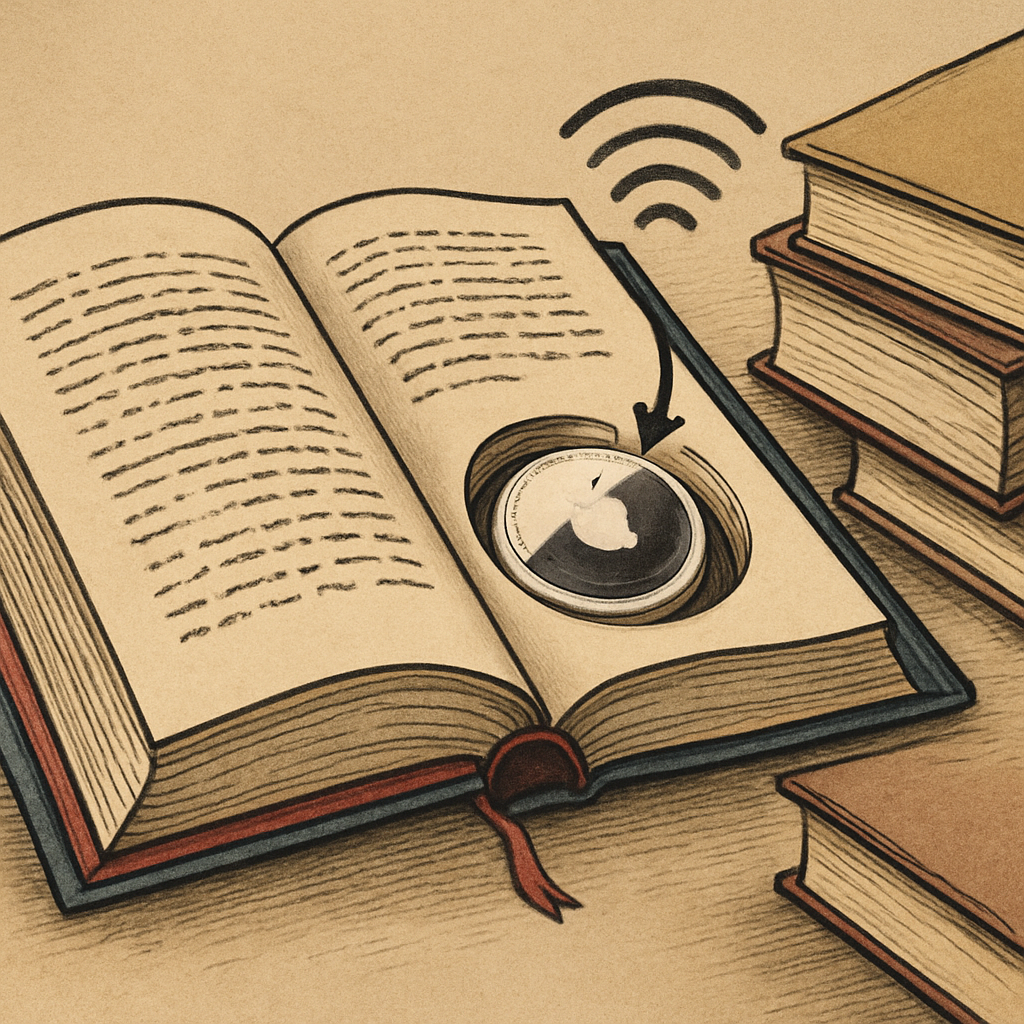
To investigate these suspicions, a tracking device was concealed within a rare book sold as part of a bulk order. The device’s journey concluded at an Amazon facility in Las Vegas, known as VGT3. Employees at this facility reported that their primary task involves removing book bindings and scanning the pages, effectively destroying the physical copies. The facility’s logo, depicting a dinosaur holding a book, underscores the nature of their operations.
Used books are particularly valuable to AI companies because they are less likely to contain AI-generated content, which became more prevalent after 2022. This ensures that the training data remains authentic and free from potential biases introduced by AI-generated text.
The legality of this practice varies by jurisdiction. In the United States, a 2025 court ruling deemed such digitization efforts as “transformative” use, thereby legalizing the process. Conversely, in the United Kingdom, similar activities would likely be considered illegal. This discrepancy highlights the need for updated intellectual property laws that address the challenges posed by AI technologies.
The discovery of the hidden tracking device provides concrete evidence of AI companies’ involvement in large-scale book scanning operations. This revelation underscores the urgency for a comprehensive discussion on the ethical implications of using copyrighted material without consent and the potential loss of physical literary works. As AI continues to evolve, it is imperative to establish clear guidelines that balance technological advancement with respect for intellectual property rights and cultural preservation.