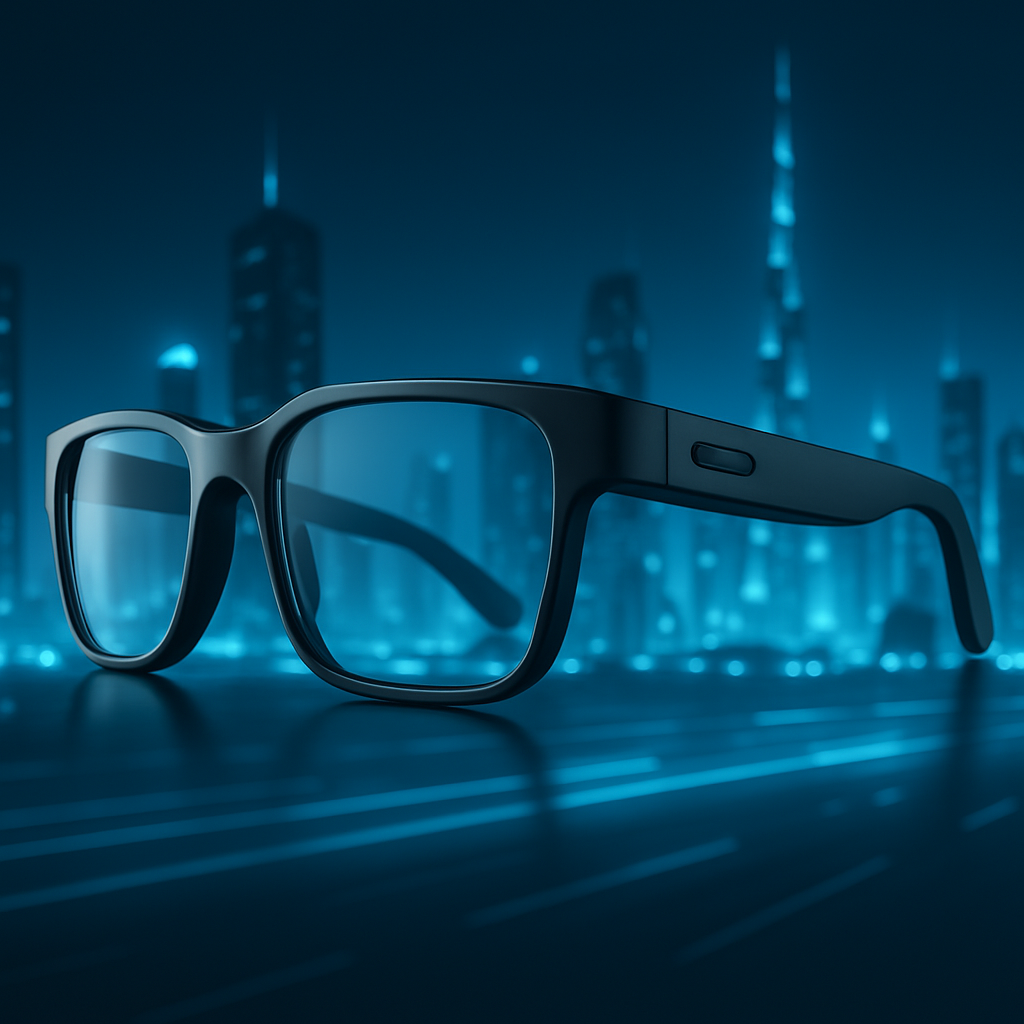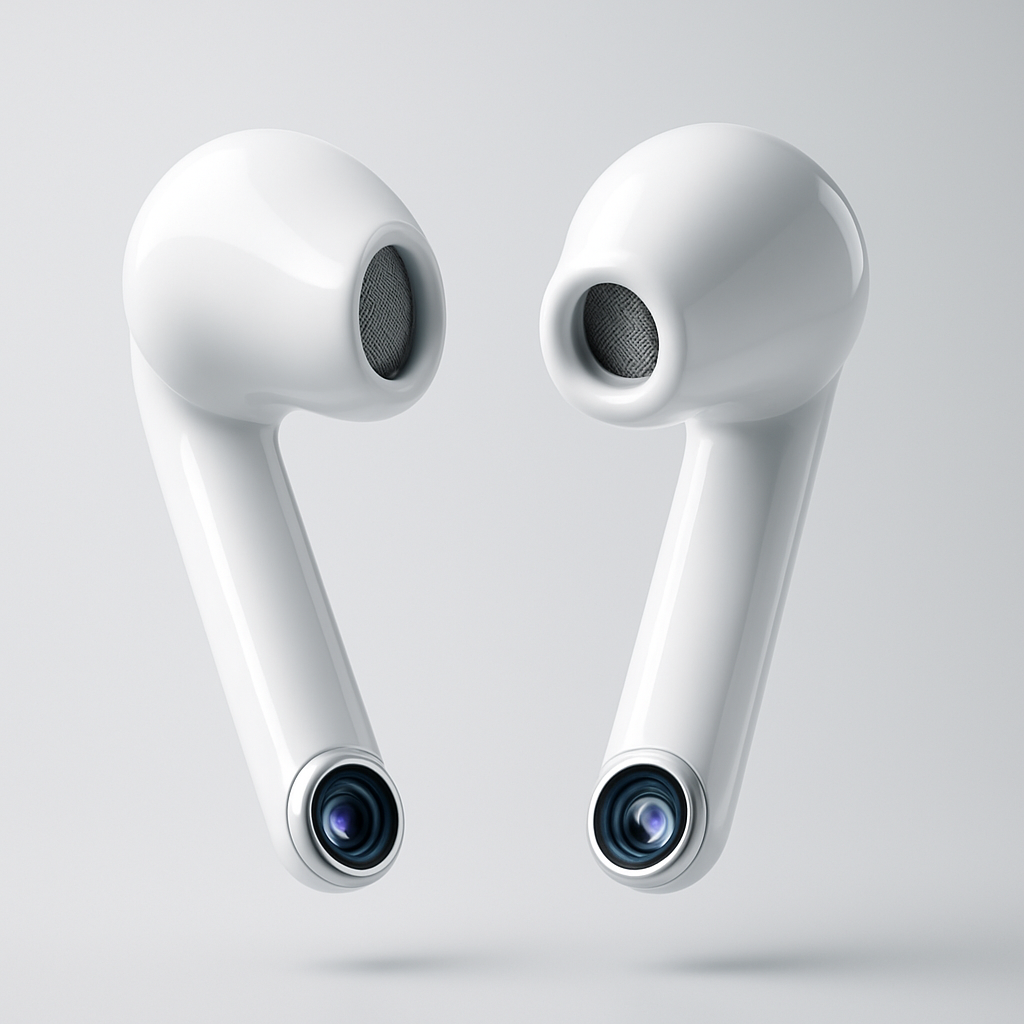
Apple is said to be developing a new version of the AirPods Pro that incorporates built-in cameras designed to feed data into Visual Intelligence via Siri—bringing smartphone-like environmental awareness to earbuds. While smart glasses aim to combine vision and computing in front-facing eyewear, this version of AirPods Pro could deliver many of the same features without the frame or lenses.([appleinsider.com](https://appleinsider.com/articles/26/08/23/sunday-reboot-airpods-will-be-the-best-smart-glasses/))
What details are known so far
Rumors have circulated for some time that Apple is working on AirPods Pro with imaging sensors. These earbuds would capture visuals of the wearer’s surroundings and transmit them to an iPhone, allowing users to interact via queries like identifying items in their environment.([appleinsider.com](https://appleinsider.com/articles/26/08/23/sunday-reboot-airpods-will-be-the-best-smart-glasses/)) The new functionality appears partially confirmed in video footage within the macOS 26.7 release candidate, which showed normal-looking AirPods Pro apparently being used in a Vision-style scenario. One scene involved asking Siri to recognize a book cover after viewing it, suggesting the presence of a camera in the AirPods’ tip area.([appleinsider.com](https://appleinsider.com/articles/26/08/23/sunday-reboot-airpods-will-be-the-best-smart-glasses/))
Further clues point to stereo imaging: separate left and right earbud-sourced images that combine to create depth perception, enabling Visual Intelligence to better understand spatial relationships. The upcoming AirPods may also include both passive and active sensing modes, and at least some onboard computing to reduce reliance on an iPhone for every operation.([appleinsider.com](https://appleinsider.com/articles/26/08/23/sunday-reboot-airpods-will-be-the-best-smart-glasses/))
Privacy and limitations
Despite the capability leap, the design choices point to safeguards. The camera resolution is reportedly limited to about 1 megapixel—significantly lower than what many smart glasses offer. That lower resolution may reduce concerns over unwanted surveillance or misuse.([appleinsider.com](https://appleinsider.com/articles/26/08/23/sunday-reboot-airpods-will-be-the-best-smart-glasses/)) Apple’s track record with device privacy also suggests it will deploy software controls and safeguards to prevent misuse.([appleinsider.com](https://appleinsider.com/articles/26/08/23/sunday-reboot-airpods-will-be-the-best-smart-glasses/))
That said, any wearable with hidden imaging has privacy risks. Critics will undoubtedly raise design and usage concerns, especially among those worried about covert recording. Nonetheless, Apple’s aim appears to be achieving environmental awareness features without turning earbuds into full smart glasses or replacing existing eyewear.([appleinsider.com](https://appleinsider.com/articles/26/08/23/sunday-reboot-airpods-will-be-the-best-smart-glasses/))
Why this approach could beat glasses
Traditional smart glasses carry trade-offs: visible frames, bulk, the complexity of prescription lenses, and ease of switching between smart and “normal” use. For users who already wear glasses, replacing them with smart versions requires adapting fitting, frames, and possibly sunglasses compatibility.([appleinsider.com](https://appleinsider.com/articles/26/08/23/sunday-reboot-airpods-will-be-the-best-smart-glasses/))
By contrast, AirPods Pro with cameras could deliver many smart vision use cases without altering eyewear at all. Users could retain their preferred frames, switch off camera functions by removing the earbuds, and avoid carrying around secondary pairs of glasses. All while enjoying hands-free contextual AI, less visible hardware, and lighter, more integrated wearable tech.([appleinsider.com](https://appleinsider.com/articles/26/08/23/sunday-reboot-airpods-will-be-the-best-smart-glasses/))
These earbuds wouldn’t produce a visual overlay like augmented reality glasses—they won’t offer built-in displays. Yet for many everyday use cases—identifying objects, getting contextual prompts, facial recognition with proper consent—the proposed AirPods Pro may hit the sweet spot between utility and subtlety.([appleinsider.com](https://appleinsider.com/articles/26/08/23/sunday-reboot-airpods-will-be-the-best-smart-glasses/))
Many pieces still need to move into place: final hardware design, battery trade-offs, software training, regulatory approval, and pricing. It’s unclear when the product might appear for purchase. Investors, accessory makers, and privacy regulators will all be watching closely. But already, this approach shows promise for redefining how we think about wearables.
Why this matters: If Apple successfully ships AirPods Pro with environmental cameras and depth sensing, it could deliver key smart glasses functions in a far more compact, socially acceptable form. Wearables would evolve not just toward display-centric designs like Vision Pro or speculative glasses but toward devices attuned to your context. For users who want intelligence built in without visible tech, this may be Apple’s better bet. What to watch for: battery life, how much processing is done locally vs. in the cloud, and whether privacy protections can truly keep up as features increase.