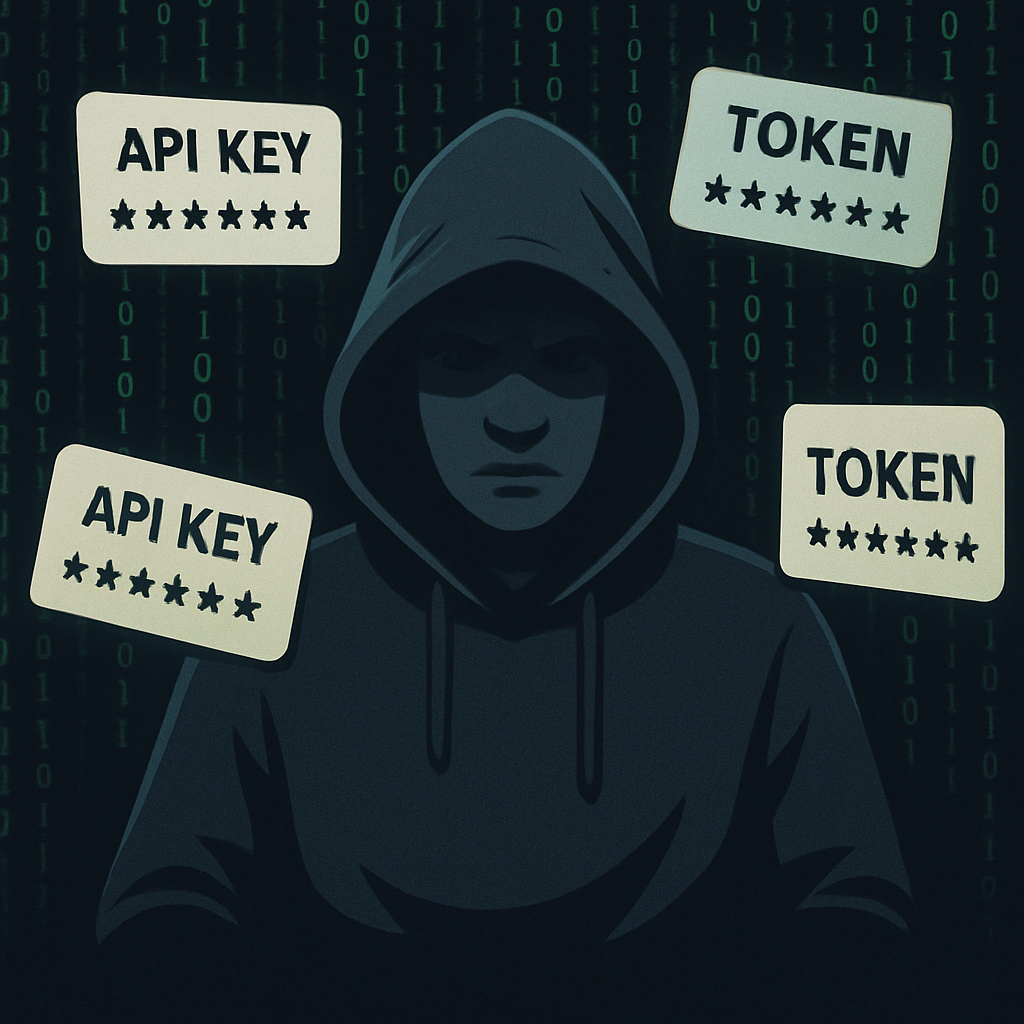
Cybercriminals are increasingly targeting AI credentials in a practice known as ‘AI token jacking,’ where they steal API keys to exploit expensive AI model services, leading to substantial financial losses for victims. This method allows attackers to rack up significant charges on compromised accounts before the unauthorized activity is detected.
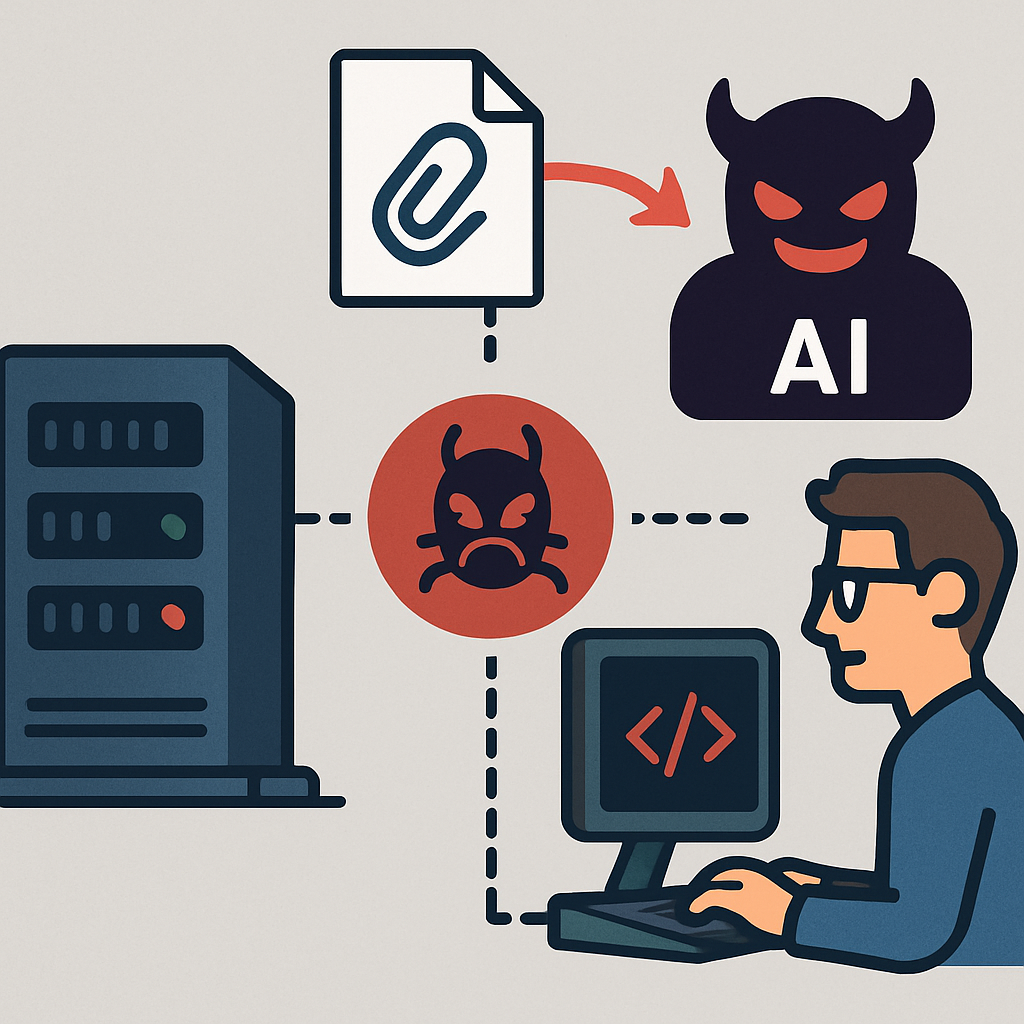
Attackers employ various techniques to obtain developer credentials, including phishing schemes, deploying information-stealing malware, accessing exposed file shares, scanning public code repositories, and distributing malicious software packages. Once in possession of these credentials, they can set up illicit proxy services that consume paid AI resources without the account owner’s knowledge.
Security researchers have observed a rising number of such incidents, with some cases resulting in nearly $1 million in unauthorized charges before the victims could identify and mitigate the abuse. The billing structures of many AI service providers, which often charge post-usage and allow for scalable resource consumption, exacerbate this issue by providing attackers with ample opportunity to exploit stolen credentials.
API keys serve as digital credentials that enable software applications to interact with services without requiring user authentication for each request. In the context of large language models, usage is typically measured in tokens—small units of text processed by the model. Therefore, stolen API keys grant attackers direct access to these services, effectively providing them with purchasing power to consume resources at the expense of the legitimate account holder.
Some attackers operate ‘transfer stations,’ which are unauthorized services that act as intermediaries between users and official AI platforms. These services can rotate credentials, route requests, and bill customers using their own credits, often advertising low-cost access to AI models. To maintain such operations, attackers require a steady supply of discounted or stolen credentials, which they may obtain by compromising developer accounts to create new API keys, enable additional models, remove spending limits, or disable usage alerts.
In certain incidents, this infrastructure has generated tens of millions of API calls daily, resulting in charges amounting to hundreds of thousands of dollars. The rapid accumulation of costs underscores the urgency for organizations to treat exposed AI credentials as critical security incidents.
To mitigate the risks associated with AI token jacking, organizations should implement several preventive measures:
- Set Usage Limits: Establish spending caps that align with normal usage patterns to prevent excessive charges.
- Monitor Activity: Generate alerts for usage that significantly deviates from established baselines to detect anomalies promptly.
- Restrict Privileges: Review and limit the number of privileged accounts that can provision resources or modify billing controls to reduce potential attack vectors.
- Use Short-Lived Tokens: Replace long-lived API keys with short-lived bearer tokens to minimize the window of opportunity for attackers.
- Manage Identities: Ensure that each machine accessing AI services has a verified and managed identity to control and monitor access effectively.
- Secure Development Environments: Review dependencies and build pipelines, block untrusted package releases, and scan repositories for exposed credentials to prevent supply chain attacks.
By implementing these strategies, organizations can reduce their exposure to AI token jacking and protect themselves from the significant financial and operational impacts associated with this emerging threat.
The rise of AI token jacking highlights the evolving landscape of cyber threats targeting AI infrastructure. As AI services become more integral to business operations, securing API keys and monitoring usage patterns are crucial steps in safeguarding against unauthorized access and potential financial losses. Organizations must adopt proactive security measures to stay ahead of attackers who are continually developing new methods to exploit vulnerabilities in AI systems.