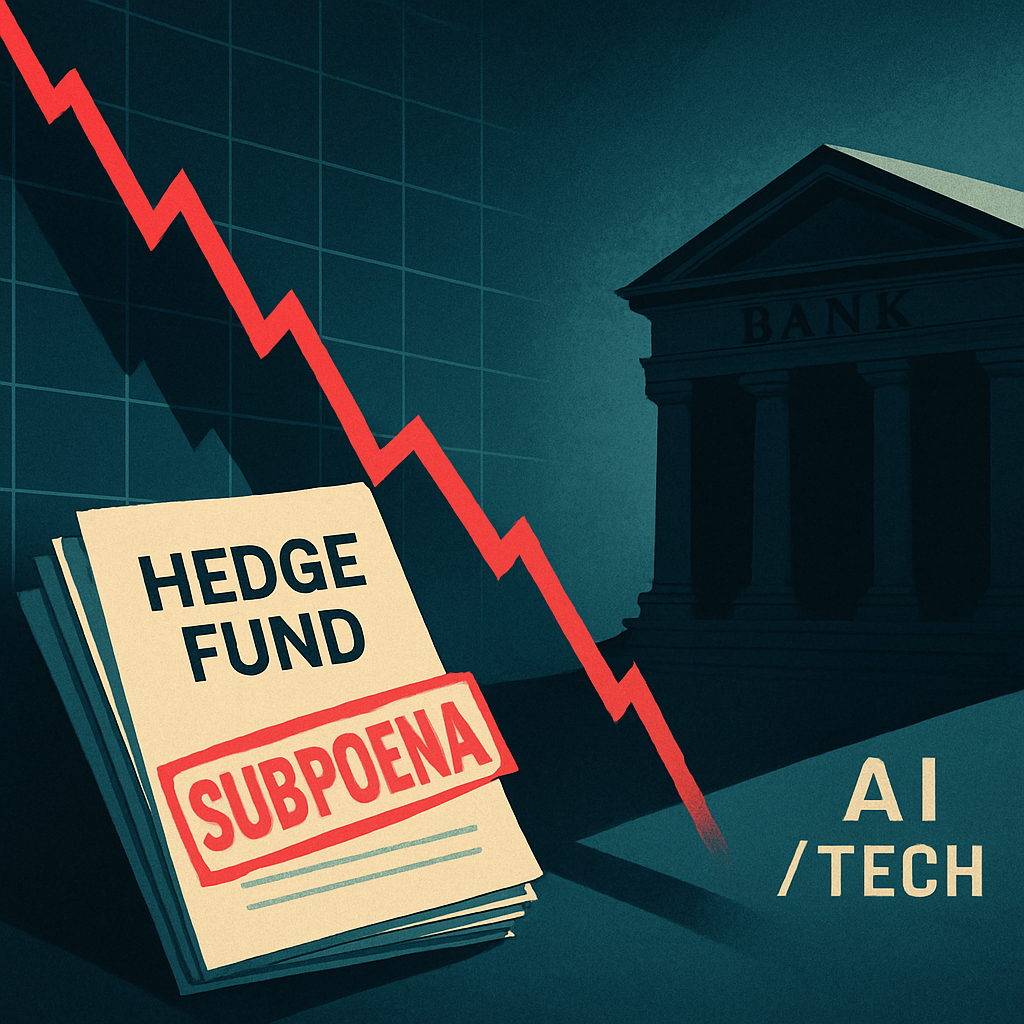
Situational Awareness, once hailed as an ultrafast-growth AI-focused hedge fund led by former OpenAI researcher Leopold Aschenbrenner, is now under investigation by the U.S. Securities and Exchange Commission. The SEC is issuing subpoenas to banks tied to the fund’s trading and financing; these banks were warned to preserve records, though no charges have yet been brought. ([techcrunch.com](https://techcrunch.com/2026/08/24/situational-awareness-star-ai-hedge-fund-that-nearly-imploded-now-being-probed-by-the-sec/))
Rapid Rise, Cataclysmic Fall
Founded in 2024, the fund gained massive attention with nearly 440% returns by end of June 2026. It built a concentrated portfolio heavily weighted toward AI infrastructure—namely chips, memory, data centers, and other hardware—while also placing bets against software companies. ([finance.yahoo.com](https://finance.yahoo.com/markets/stocks/articles/situational-awareness-sells-public-equities-140824582.html?utm_source=openai))
That strategy hit a wall in July. A sharp selloff in AI-adjacent stocks, coupled with mounting margin pressure from prime brokers, forced the fund to liquidate nearly all of its public equity holdings. Many of those positions were sold to Citadel, reportedly at steep discounts. By end-July, the fund’s assets had shrunk from a peak exposure estimated around $40–45 billion to just about $10 billion. Meanwhile, year-to-date returns held up, still showing gains of roughly 80%. ([valueslate.com](https://valueslate.com/leopold-aschenbrenner-ai-fund-lost/?utm_source=openai))
What Sparked the Collapse?
The fund’s downfall was triggered by its heavy leverage—estimated at roughly 4× exposure—which amplified losses when core holdings dropped 30–50%. Public names like SK Hynix, Nebius, Micron, CoreWeave, and SanDisk plunged, while short positions in software stocks moved sharply against it. Margin calls from banks such as Goldman Sachs, Bank of America, and JPMorgan forced exits that growing illiquidity made hard to execute without steep losses. ([ibtechnicalprep.com](https://ibtechnicalprep.com/blog/situational-awareness-hedge-fund-unwind-margin-calls.html?utm_source=openai))
On July 30, most of its public book—longs and shorts—was sold in a block trade to Citadel. That deal, valued between $16 and $20 billion, was seen as the only way to satisfy lenders and limit further erosion. Remaining assets focused more on private investments like Anthropic and more defensible positions. ([businessfinance.news](https://businessfinance.news/how-situational-awareness-lost-67-on-the-ai-trade/?utm_source=openai))
Now, Regulatory Spotlight
The SEC’s current inquiry involves subpoenaing banks linked to the fund’s financing and trading activities. The agency is examining whether Situational Awareness followed proper risk and disclosure requirements as it expanded aggressively and took on vast leverage. So far, no formal wrongdoing has been alleged. The fund has pledged full cooperation. ([techcrunch.com](https://techcrunch.com/2026/08/24/situational-awareness-star-ai-hedge-fund-that-nearly-imploded-now-being-probed-by-the-sec/))
Situational Awareness was backed early by prominent tech investors including Nat Friedman, John and Patrick Collison, and Daniel Gross. Aschenbrenner himself was previously part of OpenAI’s Superalignment team. The fund’s rise mirrored broader market enthusiasm for AI playbooks, and its collapse has sparked conversations about just how fragile leveraged trades can be, even when the long-term thesis remains compelling. ([situational-awareness.ai](https://situational-awareness.ai/leopold-aschenbrenner/?utm_source=openai))
This isn’t merely a story of one fund’s downfall—it’s a warning about the risks baked into aggressive AI investing. When leverage compounds volatility, extension of margin requirements can force exits no one wanted. The ongoing SEC probe may clarify whether governance or disclosure lapses worsened that risk. Going forward, what to watch: changes to regulation of leverage in AI or tech-centric funds, demands from investors for more transparency, and whether similar highly concentrated bets can withstand the next shift in market sentiment.