AI-Driven Phishing Overwhelms SOCs: Strategies to Alleviate Tier 1 Alert Fatigue
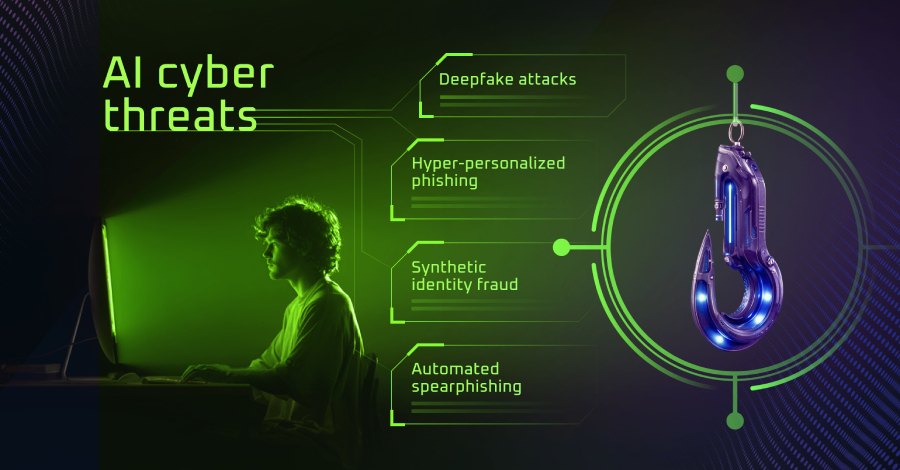
Phishing attacks have long been a numbers game, but the advent of artificial intelligence (AI) has transformed them into high-volume, sophisticated operations. Cybercriminals now leverage AI to craft convincing emails, counterfeit login pages, and personalized lures within minutes. Each meticulously designed message adds to the workload of Tier 1 Security Operations Center (SOC) analysts, who must scrutinize every link and alert, many of which cannot be dismissed without thorough examination.
As the volume of alerts escalates, critical threats such as credential theft attempts or malware deliveries risk being overlooked amidst routine checks. SOC leaders must equip their teams with tools and strategies to efficiently filter through the noise and identify alerts that could escalate into serious incidents.
Challenges Faced by Tier 1 Teams in the Era of AI-Enhanced Phishing
AI empowers attackers to launch more convincing and varied phishing campaigns, rapidly altering their tactics and infrastructure. For Tier 1 teams, this evolution means fewer alerts can be quickly dismissed, leading to increased manual reviews and potential delays in threat detection.
AI-Driven Changes and Their Impact on Tier 1 Operations:
– Increased Variation in Lures: Phishing campaigns now exhibit greater diversity, making it challenging to identify patterns. This necessitates more manual reviews, as similar campaigns no longer appear identical.
– Enhanced Impersonation Techniques: Emails are crafted to mimic routine communications from HR, finance, or IT departments, requiring analysts to invest additional time verifying the context and authenticity of each message.
– Personalized Phishing Messages: Lures are tailored using publicly available company or employee information, allowing more phishing emails to pass initial visual inspections, thereby increasing the likelihood of successful attacks.
– Use of Short-Lived Domains: Attackers frequently employ ephemeral domains with little or no reputation history, resulting in security tools returning unknown verdicts and complicating the assessment process.
– Rise in Uncertain Cases: With less concrete evidence available, Tier 1 analysts face difficulties in confidently closing alerts, leading to an increase in cases escalated to Tier 2 for further investigation.
This scenario forces Tier 1 teams to dedicate more time to each alert and escalate a higher number of ambiguous cases to Tier 2. As the backlog grows, critical threats may remain unaddressed for extended periods, delaying response efforts and elevating the risk of significant security incidents.
Strategies to Manage AI-Driven Phishing at Scale Without Overburdening Tier 1
Introducing additional manual checks is not a sustainable solution. As phishing volumes increase, Tier 1 teams require methods to investigate more alerts efficiently without resorting to repetitive tasks or overloading senior teams with escalations.
A more effective approach combines automated processes, behavior-based visibility, and comprehensive reporting. This strategy provides Tier 1 analysts with the necessary evidence to make informed decisions swiftly and ensures that Tier 2 involvement is reserved for cases that genuinely require deeper analysis.
1. Providing Comprehensive Behavioral Visibility in Under 60 Seconds
AI enables attackers to produce polished lures and rapidly introduce new variations, outpacing traditional reputation checks. Even when messages appear legitimate and URLs lack known histories, Tier 1 teams need a quick method to observe the consequences of clicking on suspicious links.
Tools like ANY.RUN’s Interactive Sandbox allow teams to open dubious links within a secure browser environment, interact with the content, and trace the entire attack chain without jeopardizing company devices or infrastructure.
For instance, a seemingly routine LinkedIn Drive link may lead to a counterfeit Microsoft 365 login page designed to harvest corporate credentials. Such phishing content, hosted on platforms like AWS CloudFront and filtering out free email domains, can evade detection. Within the sandbox, the full attack sequence can be exposed in under 60 seconds.
Implementing evidence-driven phishing analysis can significantly reduce Tier 1 overload, achieving up to three times faster triage and 30% fewer escalations.
Benefits for Tier 1 Teams:
– Unveiling Hidden Threats: Redirects, concealed pages, and credential-harvesting forms become visible in a single session, revealing what traditional reputation checks might miss.
– Accelerated Verdicts on New URLs: Even when links lack historical data, teams can quickly assess post-click activities to determine potential threats.
– Prompt Resolution of Genuine Threats: Credential theft attempts and malicious downloads can be identified and addressed before they become buried in the queue.
– Evidence-Based Decision Making: Analysts can observe the complete attack chain, enabling informed decisions on whether to close or escalate cases.
2. Enhancing Phishing Alert Processing Without Increasing Manual Effort
Traditional automation may overlook phishing pages that emerge only after redirects, CAPTCHAs, or specific user actions. While such automation can expedite basic checks, it often leaves Tier 1 teams with incomplete results, necessitating manual investigations.
ANY.RUN integrates automation with interactivity. The sandbox autonomously opens suspicious links in an isolated browser, navigates through pages, solves CAPTCHAs, and triggers hidden steps in the phishing chain, mirroring the actions an analyst would take during a manual investigation. Team members can also intervene at any point when a case requires closer scrutiny.
Advantages for SOCs:
– Reduction of Repetitive Tasks: The sandbox automates navigation, CAPTCHA resolution, and content triggering, minimizing manual workload.
– Increased Tier 1 Capacity: Teams can process a higher volume of AI-driven phishing alerts within each shift.
– Adaptability to Alert Spikes: Automation reduces the need for immediate headcount increases during periods of heightened alert volume.
3. Streamlining Escalations with Comprehensive Reports
When Tier 1 escalates a case, providing Tier 2 with a complete picture is crucial. A detailed report encompassing the full attack
Security News