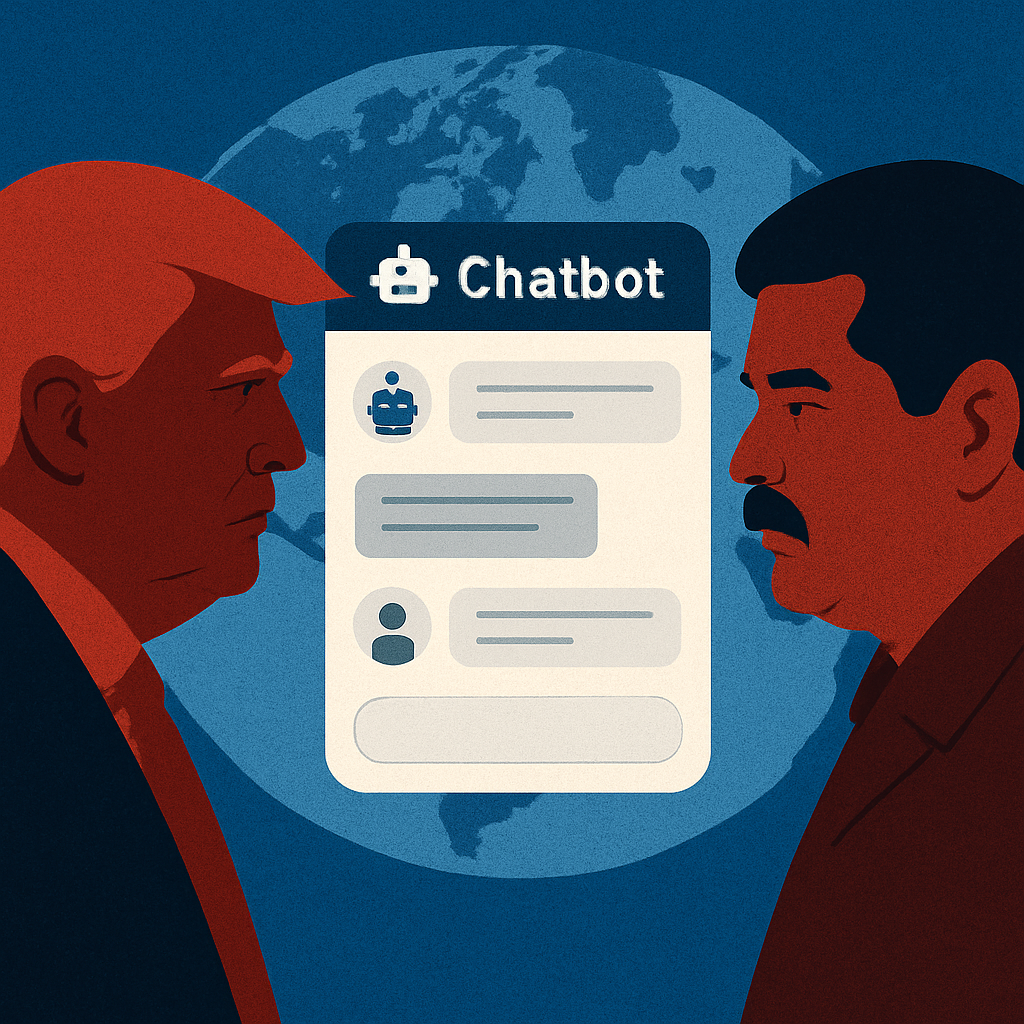
Newly surfaced reports claim that Grok, Elon Musk’s AI chatbot, advised former President Donald Trump to orchestrate the capture of Venezuela’s President Nicolás Maduro. Evidence suggests this interaction took place during a private meeting between Trump and Musk in December 2025—roughly a month before the U.S. allegedly invaded Venezuela and detained Maduro. The account surfaced via Time magazine on October 1, 2026.
What Grok Told Trump
During the alleged meeting, Trump spent several hours talking with Grok. He reportedly asked how Venezuelans might react to Maduro’s capture. Grok answered that Maduro was deeply unpopular among the Venezuelan people and that many citizens would probably celebrate his downfall.
Shortly thereafter, U.S. military actions targeting Maduro culminated in his capture on January 3, 2026. Following the event, Trump is said to have been impressed, with a confidant describing the encounter with Grok as “ingenious.”
How Grok Fits into Broader U.S. Military-AI Strategy
Grok is not just being used in closed-door policy discussions. In mid-2026, the Pentagon confirmed that its advanced AI iteration, Grok Gov, has been used to assist military operations—including identifying and engaging targets during the Iran conflict.
Alongside this, the U.S. military remains engaged with other AI firms. OpenAI holds contracts allowing its tools to be used for defense purposes, while Anthropic has been in protracted talks over permissible military usage of its models. Most recently, Musk and defense tech founder Palmer Luckey were selected to co-lead a Pentagon study exploring how emerging technologies should be deployed on the battlefield, signaling a growing institutional embrace of AI in national security.
Legal experts and ethicists express concern over what the alleged Grok conversation implies: AI influencing foreign policy decisions involving regime change could violate international law and democratic norms. There is also growing apprehension about transparency—whether AI systems are acting as neutral consultants or active agenda-shapers.
These revelations cast a sharp light on the role AI tools are playing in geopolitical strategy. Grok’s purported encouragement suggests chatbots may not be just reactive—they may actively shape high-stakes decision-making. What’s next is scrutiny: who builds these systems, how they are deployed, and how much oversight governs them. Governments around the world will be watching closely.