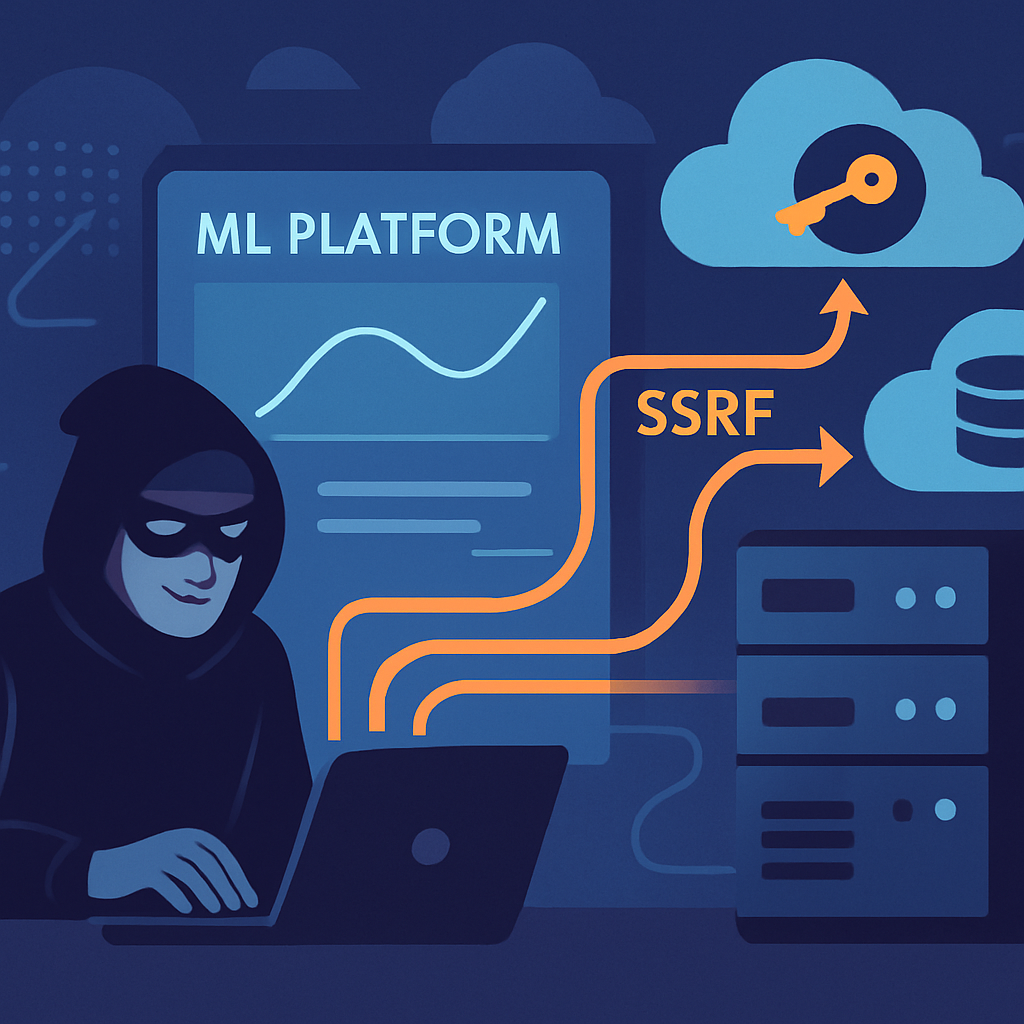
Security researchers have uncovered a high-speed attack on a significant African stock exchange. On September 20, 2026, hackers deployed an AI-assisted PowerShell toolkit containing 41 distinct modules that ran on a compromised server in under three minutes and fifteen seconds. The objective: search for passwords, cloud credentials, database connection strings, and explore APIs tied to the exchange’s investment platform and securities depository gateway. Although the attack was confirmed, it’s unclear whether any credentials were successfully used. The exchange’s name has not been revealed. *
What the Toolkit Did
The attacker utilized a web shell running through Microsoft’s IIS to execute modules that probed a range of internal targets. The 41 modules combed through shared policy folders, business application directories, AWS keys, database strings, and also mapped SharePoint sites, source code infrastructure, and software management servers. Four modules directly targeted financial systems, including the API gateway for investments and a securities depository integrator, where attempts were made using guessed passwords, reused bearer tokens, and API keys.
Each module followed nearly identical coding patterns—error handling, script structure, DNS-based communication of results—sparking suspicions of AI involvement. Although researchers couldn’t pinpoint any specific model, the uniformity suggests automation beyond typical manual scripting.
Timeline, Attribution, and Risk Signals
Evidence of malicious activity on the server stretches back to April 2026, with the current intrusion, however, occurring in September. In parallel, officials discovered six implants relating to persistence—mechanisms that allow continued access to a system—though these implants were not directly tied to the 41-module setup.
One espionage group known as Witchetty, believed to be linked to Chinese state adversaries, was connected to these implants with high confidence. However, no direct attribution of the entire toolkit to Witchetty has been made. Previously, this group targeted the same stock exchange in 2022, adding to concerns about ongoing reconnaissance or financial espionage.
Detection, Impact, and Indicators
The modules sent packaged results via DNS queries to a public security testing service, though what data was actually received or exploited remains unknown. Despite extensive log review, there’s no confirmation of credential acceptance or evidence that the attack achieved privilege escalation.
Investigators laid out several indicators of compromise. These include a range of SHA-256 file hashes tied to various loaders, DLLs, shellcode, and implants. One notable domain associated with output collection was observed: a DNS destination disguised with “oast.pro” modification to avoid detection.
Signs to watch during forensics: a web server launching PowerShell, followed by unusual DNS activity and attempts to access sensitive API endpoints. Authentication logs, endpoint behavior, and file hashes may reveal whether the attack succeeded.
Analysts emphasize the motive may intertwine financial gain and espionage. Mapping investor directories and probing internal financial interfaces suggest dual purposes—not just theft, but intelligence gathering.
Closing on attribution, while Witchetty is a likely candidate for the implants, the toolkit itself hasn’t been explicitly tied to them. The earliest traces of intrusion date to April 2026, but full scope and operator identity remain undetermined.
This breach highlights an increasingly common trend: the fusion of automation and scripting tools that blur lines between manual hacking and AI-augmented cyber-malfeasance. As attackers refine their toolkits, defenders must sharpen detection strategies around code consistency, DNS behaviors, and multi-vector API probing. Expect this kind of layered, rapid attack setup to become more frequent—and harder to trace without deep visibility.