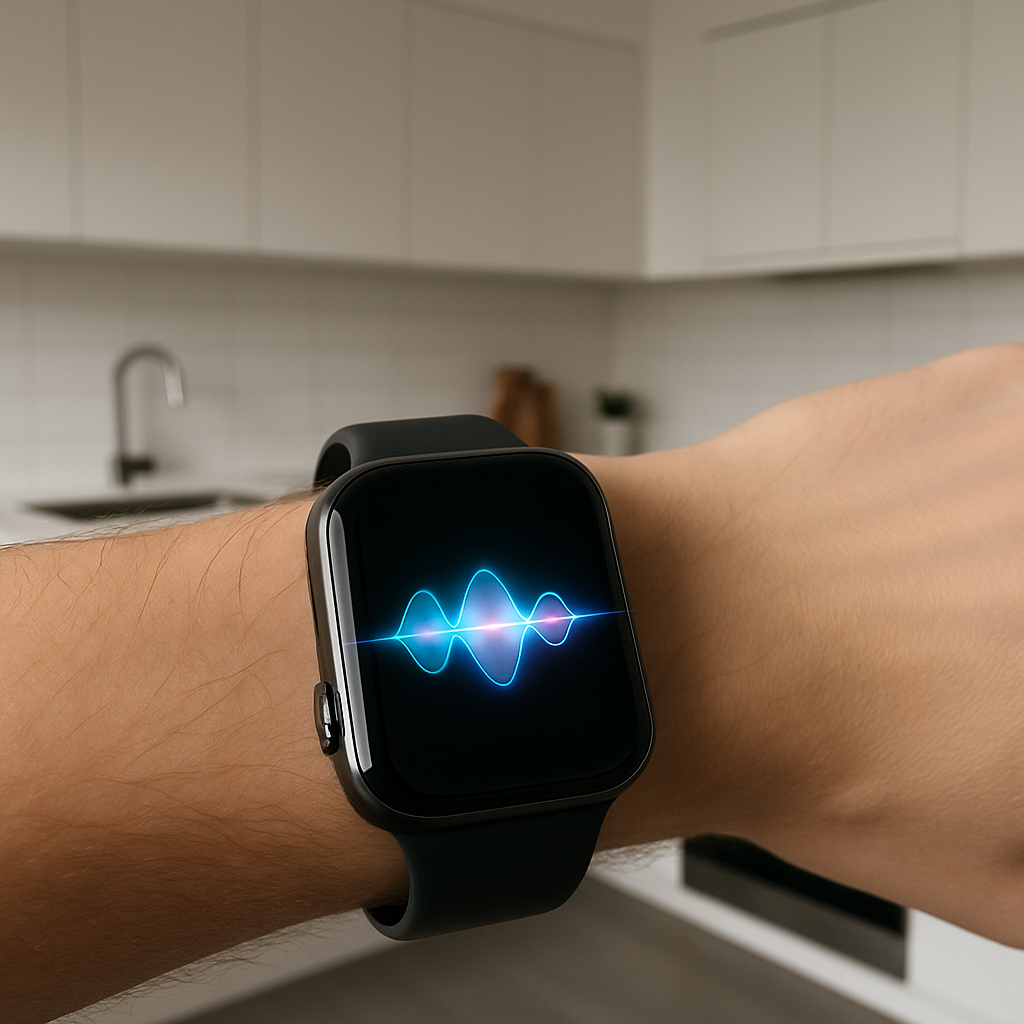
Apple’s Siri with AI integration for the Watch has arrived—but only now, with the latest beta of watchOS 27, does it finally feel usable. Throughout the summer’s earlier betas, it suffered major performance setbacks. Tasks like setting alarms, sending texts, controlling HomeKit, or even starting a workout often lagged—or didn’t work at all.
The long road of regression
When Siri AI first showed up in the watchOS 27 beta, it was clearly undercooked. Response times were sluggish. Simple commands, such as creating reminders or setting timers while multitasking, could take an absurdly long time. Other routine scenarios—texting, launching workouts, switching HomeKit devices—became frustrating tests of patience. For a multi-hundred-dollar wearable meant for quick interactions, this wasn’t just bad—it felt broken.
Beta 8: the turnaround moment
With watchOS 27 beta 8, things seem to have shifted. Performance issues that dominated prior builds—unresponsiveness, delayed commands—have significantly eased. Users report a far crisper experience. Queries now return quickly, and everyday tasks behave with the prompt reliability we expect from assistants. The AI-powered Siri finally seems to be worth the upgrade.
That said, watchOS 27 hasn’t totally nailed everything. New usability changes—like the removal of the double-click Digital Crown shortcut for recent apps—have left some long-time users wanting. Some of the smaller interaction tweaks feel unnecessary, especially when core features were still in flux through most of the beta cycle.
Still, the ability to get fast answers without pulling out an iPhone feels like the kind of convenience people have been waiting for. Siri AI on the Watch fills a gap Apple has let linger for years. If this release holds up beyond the beta stage, it could change how folks use their Watch for day-to-day tasks.
For now, Apple Watch users who rely heavily on Siri might finally have relief—assuming this upgraded experience in beta 8 works widely. The question now: will these improvements persist through final release? And what quirks might still lie ahead?