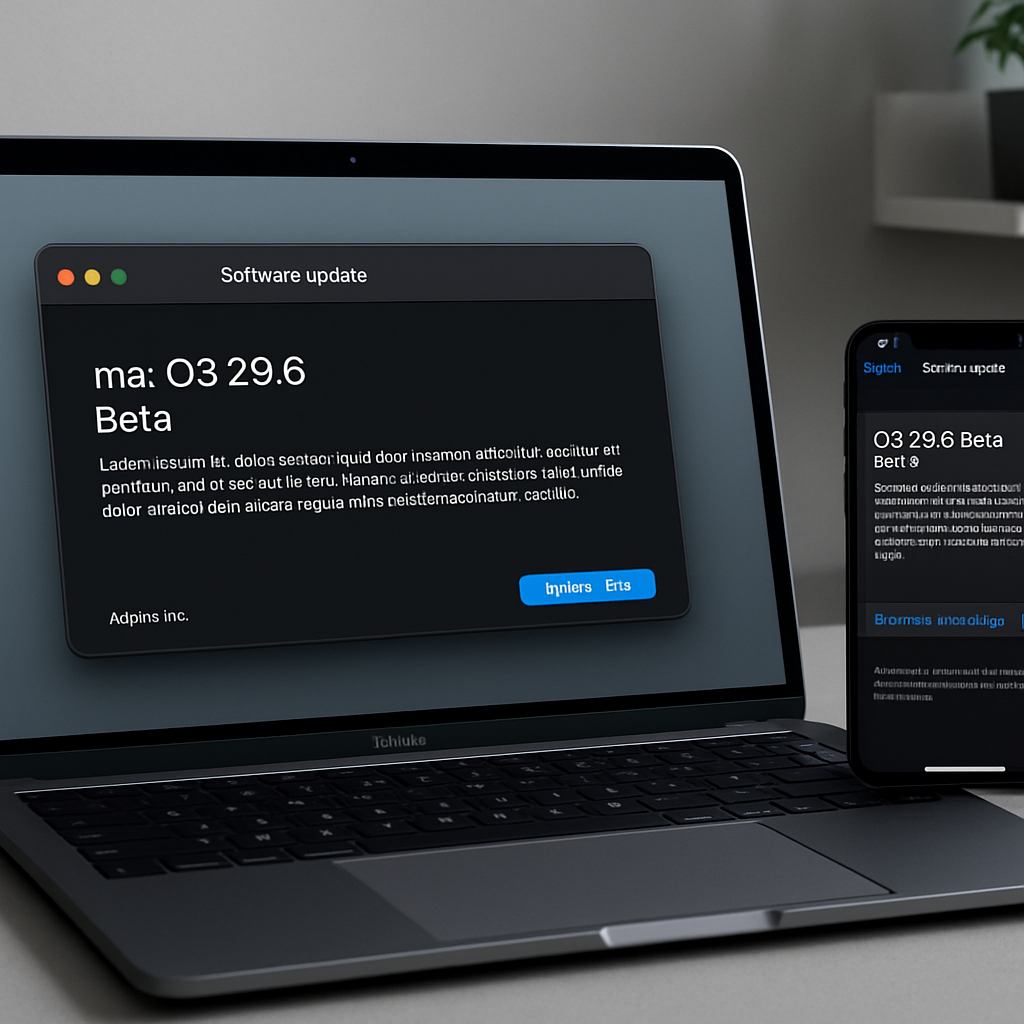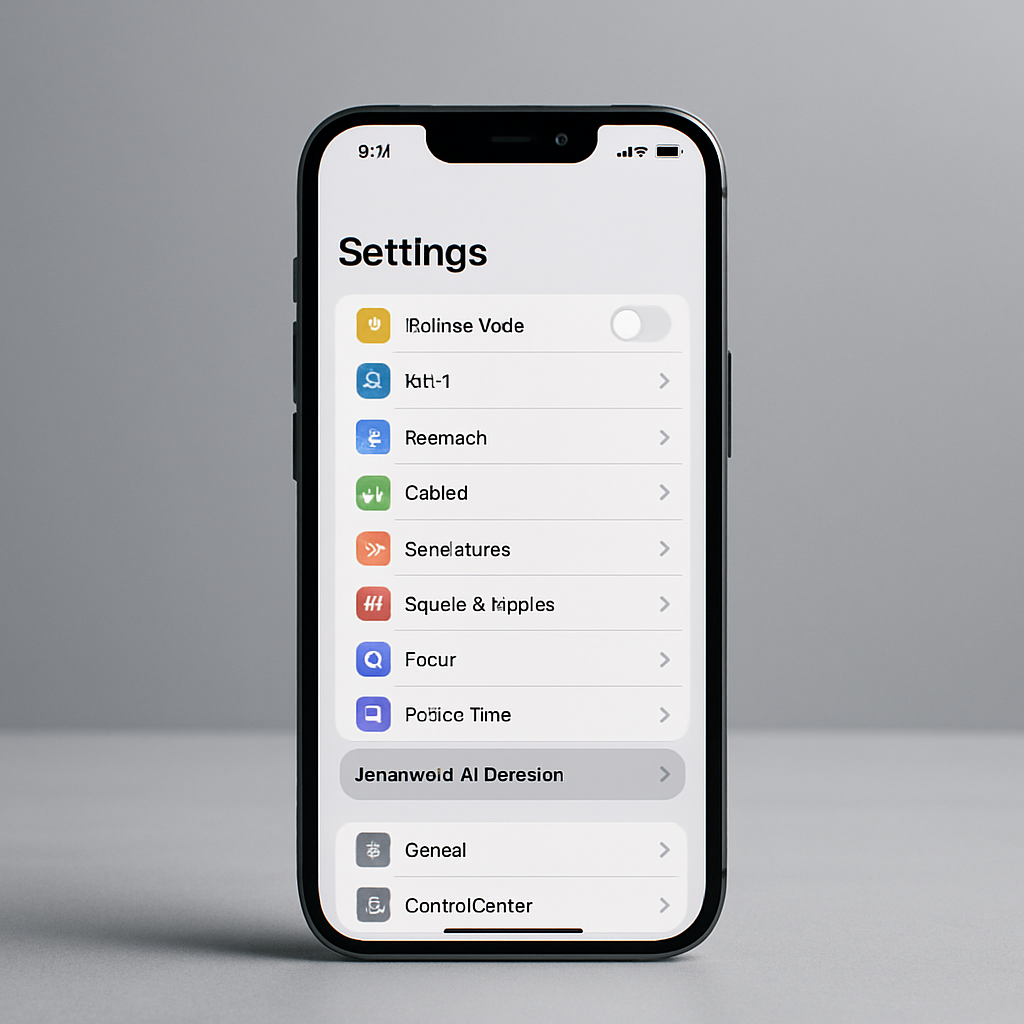
Apple’s latest iOS 27 beta introduces an advanced AI-powered dictation feature, but users will need to enable it manually, as it isn’t activated by default.
This new dictation system promises significantly improved accuracy, offering more reliable capitalization and punctuation during real-time transcription. It operates on Apple’s AFM 3 Core Advanced model, a sophisticated 20-billion-parameter system designed to handle multiple data types simultaneously. To manage its size on devices, the model is stored in flash memory, utilizing a technique called Instruction-Following Pruning to efficiently process data by activating only a subset of parameters as needed.
In evaluations comparing this new system to Apple’s previous dictation technology, the AFM 3 Core Advanced model was preferred by a substantial margin across various quality metrics, including overall quality, punctuation, casing, layout, meaning capture, disfluency handling, and style.
Due to the model’s resource demands, the enhanced dictation feature is limited to select newer devices. These include the iPhone 17 Pro and Pro Max, iPhone Air, Vision Pro with the M5 chip, iPads equipped with an M4 chip or later with at least 12GB of RAM, and Macs with an M3 chip or later also with a minimum of 12GB of RAM. Notably, the standard iPhone 17 is excluded, as it comes with 8GB of RAM, falling short of the required 12GB.
Operating entirely on-device, this dictation system ensures consistent transcription quality regardless of network connectivity. It’s currently unclear whether Apple will maintain the manual activation requirement when iOS 27 is officially released or if the feature will be enabled by default in future beta updates.
For users eager to experience the enhanced dictation capabilities, it’s advisable to manually enable the feature in the device settings. This proactive approach allows users to benefit from the improved accuracy and functionality ahead of the official release.