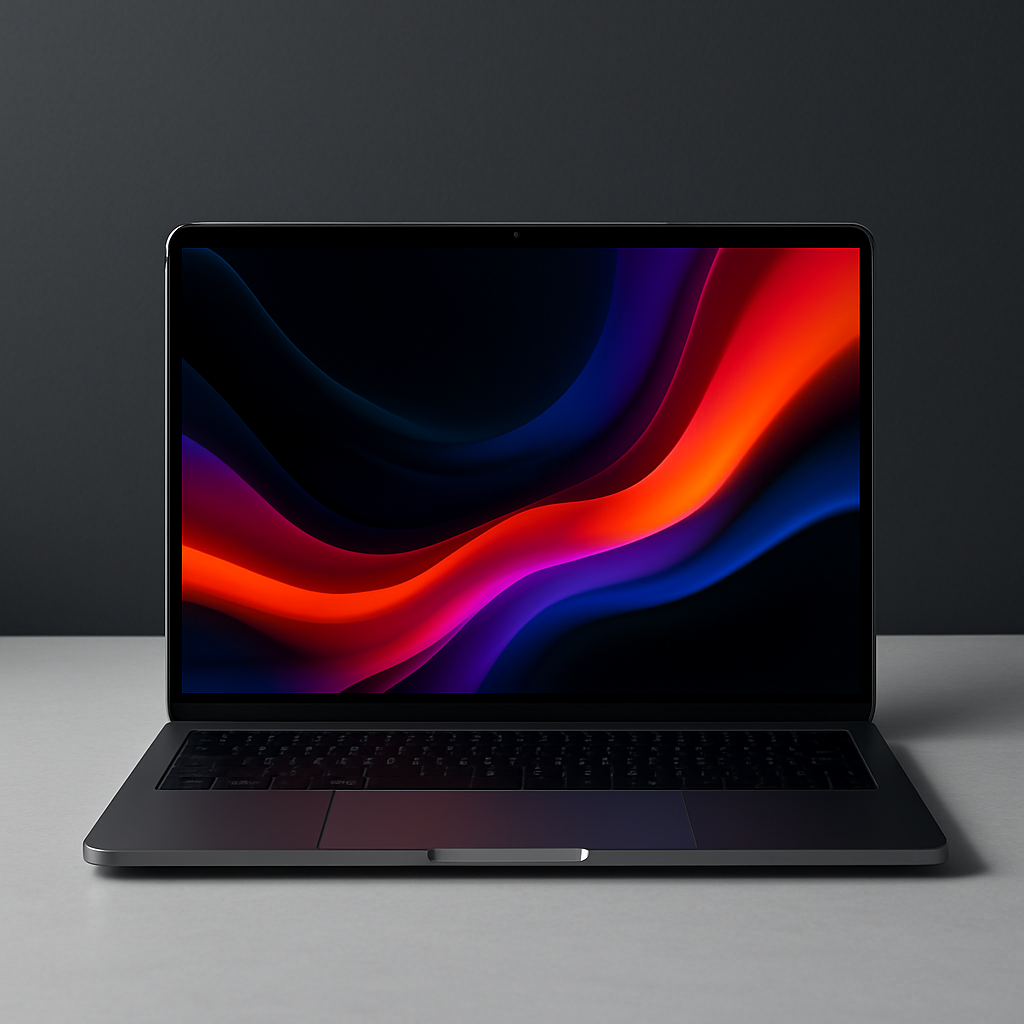
Apple has long been recognized for its high-quality LCD screens in MacBooks, enhancing them over time with Retina displays and mini-LED backlighting. This progression has allowed the company to delay adopting OLED technology. However, Apple is now gradually integrating OLED displays across its product lineup, starting with the Apple Watch, followed by iPhones and iPads, and soon extending to MacBook Pro models.
Looking ahead, both the MacBook Air and iMac are anticipated to transition from IPS LCD to OLED screens. This shift has raised concerns among users about the potential for OLED burn-in, a phenomenon where static images displayed for prolonged periods can leave permanent ghost images on the screen.
Understanding OLED Burn-In
Unlike LCD screens, which use a backlight to illuminate pixels, OLED technology allows each pixel to emit its own light. This design enables deeper blacks and more vibrant colors but also introduces the risk of uneven pixel wear. Over time, pixels that display static images continuously can degrade faster than others, leading to burn-in.
Mitigating Burn-In Risks in MacBooks
Several factors suggest that burn-in is unlikely to be a significant issue for MacBook users:
- Usage Patterns: Laptops typically display dynamic content, reducing the likelihood of static images causing burn-in. Even static elements like menu bars and docks are often hidden by full-screen applications.
- Advancements in OLED Technology: Modern OLED panels are more resilient, with pixels less prone to degradation. For instance, iPhones have used OLED screens for years without widespread reports of burn-in, despite static home screen icons.
- Adaptive Brightness Settings: MacBooks often operate at varying brightness levels, and features like auto-brightness adjust the display based on ambient light, further mitigating burn-in risks.
- Software Solutions: Apple has a history of implementing software measures to prevent burn-in. For example, iOS 11 included features to reduce burn-in on the iPhone X’s OLED screen.
In conclusion, while OLED burn-in is a known phenomenon, the combination of modern OLED durability, typical laptop usage patterns, adaptive brightness settings, and proactive software solutions makes it an unlikely concern for future MacBook users. As Apple continues to refine its display technologies, users can anticipate high-quality visuals without significant risk of burn-in.