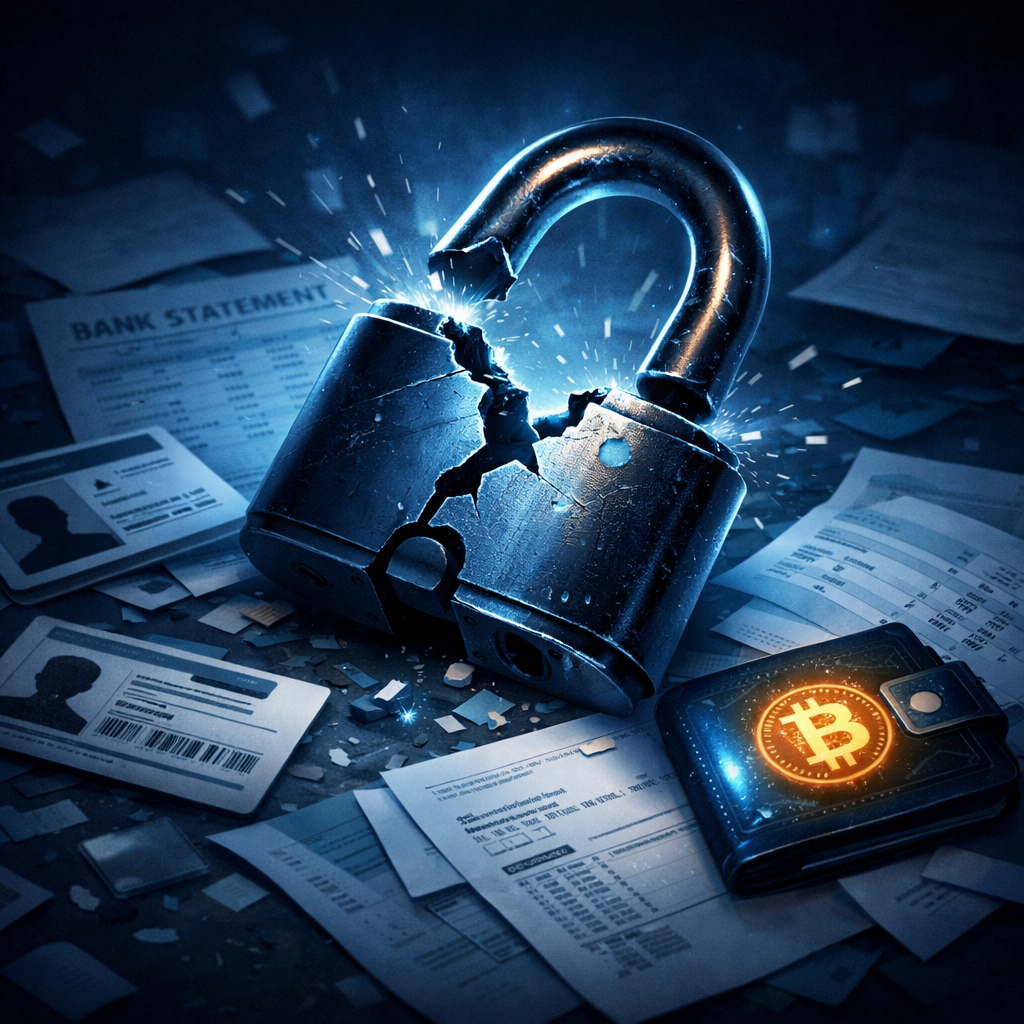
South Korea’s major crypto exchange Bithumb has revealed that hackers accessed its DaouOffice collaboration system from October 12 through October 27 — a span of 15 days — resulting in a far broader data breach than initially disclosed. While early reports declared a one-hour attack on October 27, the full extent now includes passport numbers, bank account numbers, wallet addresses, identity documents, and more.
Scope of the Breach and Affected Data
The attack compromised a wide array of personal records for both customers and staff, current and former. Affected items include South Korean resident registration numbers, driver’s license numbers, photos of identity documents, transaction histories, and contact details. Wallet addresses were stolen, though Bithumb emphasized that those alone cannot authorize fund transfers. However, when combined with other transaction data, they could be used in convincing impersonation or phishing attempts.
Bithumb clarified that the breach did not extend to its core trading systems or its customer database. The DaouOffice platform — separate from where trades occur — was the compromised component. The company pulled its external-facing tools offline, blocked IPs tied to the breach, and closed DaouOffice while working with its developers to identify and fix vulnerabilities.
Response and Support for Impacted Users
In an updated notice issued November 25, Bithumb acknowledged that more customers were affected and more categories of data stolen than the October 29 announcement indicated. It has begun notifying affected parties via email and text, informing individuals which specific pieces of their personal information were accessed. A data-breach checker is now live on Bithumb’s website for users to verify if they’re affected.
The exchange is urging users to remain vigilant. It advises against sharing passwords or one-time codes, warns about fake apps and phishing links, and insists users verify alerts through official channels. Suspicious login or withdrawal activity is being watched round-the-clock. Users whose ID documents were compromised will receive guidance on replacing stolen IDs and monitoring their financial accounts.
Bithumb has also opened channels for compensation, though payouts seem contingent on whether losses directly stem from the breach. In South Korea, customers may reach support at 1661-5566 or report concerns via the Korea Internet & Security Agency.
This incident follows recent crypto-sector data incidents like the Coinbase breach, where support records were exposed, and Bybit’s thefts, which involved actual loss of funds.
Without identifying the attacker or disclosing exactly how the system was penetrated, Bithumb says it has fixed the security flaws and is auditing all internet-facing services to prevent recurrence.
Why This Matters:
With the crypto space increasingly attractive to attackers, data breaches like Bithumb’s underscore how vulnerable auxiliary systems can be. Even when core financial systems are untouched, leaks of identity data can fuel phishing, impersonation, and financial fraud. Users and exchanges alike need stronger cryptographic hygiene, better compartmentalization of systems, and rapid disclosure when signs of intrusion appear. As regulators push for stricter privacy and security standards, this breach could prompt tighter oversight of how crypto firms manage non-trading infrastructure and personal data.